

Sumac is a spice that is rapidly gaining popularity in global cuisine. Although not as widely known as cinnamon or turmeric, its fame is increasing. Derived from small, deep red berries, it stands out for its tart and citrusy flavor. Notably, this versatile ingredient has been a staple in Middle Eastern and Mediterranean kitchens for thousands of years. Beyond its unique taste, sumac holds a fascinating history, nutritional benefits, and versatility in both traditional and modern cooking.
As food enthusiasts seek new flavors to elevate their cooking, sumac offers a chance to experiment in the kitchen. It also provides benefits from its nutritional properties. You might be a home cook, a seasoned chef, or someone exploring healthier dietary options. Sumac is worth adding to your spice collection.
Origins and History of Sumac

As more people uncover the versatility of sumac, they drive its growing popularity worldwide. You might add it to a salad, marinate meats with it, or even explore its health benefits. Whatever the case, sumac delivers something for everyone. Both the ancient Greeks and Romans utilized sumac not only for food preservation but also as a seasoning. Similarly, in the Middle East, it has long played a crucial role in daily cooking. People frequently use it to impart a tart flavor to meats, vegetables, and grains.
Native Americans in North America used sumac for its medicinal properties. They treated wounds and ailments with it. In fact, the word “sumac” comes from the Aramaic word summaq, meaning “dark red.” This vibrant color quickly became synonymous with the rich, flavorful spice. Moreover, people commonly used it not only in cooking but also in medicine across the ancient world.
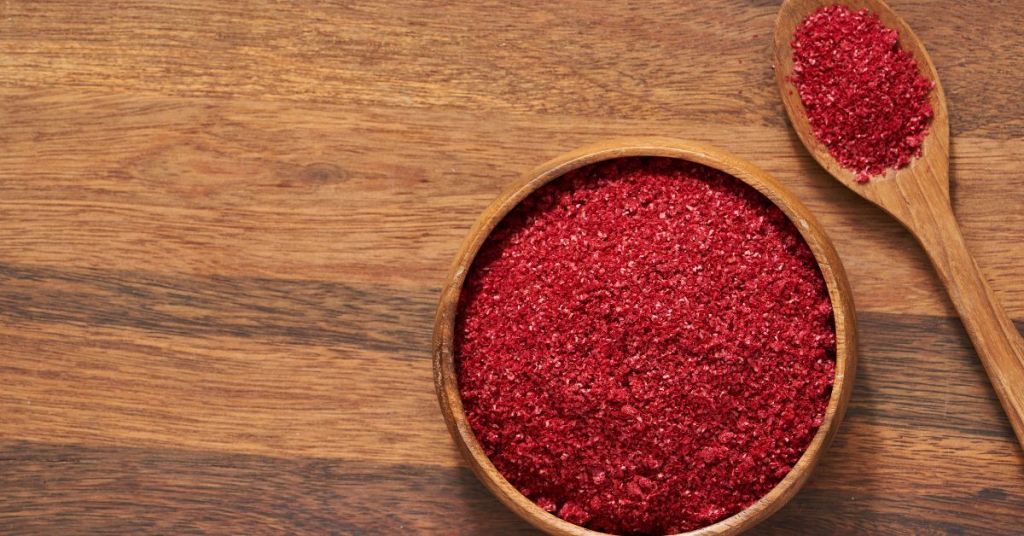
Throughout the Ottoman Empire and Persia, sumac was not only a beloved spice but also a symbol of hospitality. It prominently featured in large feasts. Chefs often mixed it with other local herbs to create iconic blends like za’atar. Furthermore, sumac’s enduring presence in Middle Eastern and Mediterranean cuisine highlights its versatility and deep cultural significance..
Botanical Profile of the Sumac Spice
Sumac comes from a genus of flowering plants in the family Anacardiaceae. The most commonly used variety in cooking is Rhus coriaria. This plant is a deciduous shrub native to the Mediterranean. You can also find it in the Middle East and parts of North Africa. The fruit, small reddish drupes, grows in dense clusters, and farmers harvest it from late summer to early fall.

Sumac thrives in arid, rocky environments, where it flourishes in dry soils and hot climates. Consequently, its resilience makes it an excellent crop for regions with limited water resources. After harvesting, farmers dry the fruits and grind them into a coarse powder, which they use as a spice.
However, not all sumac varieties are edible. It’s important to distinguish between edible and toxic species. Some North American varieties, like poison sumac (Toxicodendron vernix), can cause allergic reactions.
Varieties of Sumac
There are various types of sumac, but not all are suitable for culinary use. The three main types of edible sumac are:
- Middle Eastern Sumac – The most commonly used variety, with a tangy, lemon-like flavor.
- Mediterranean Sumac – Similar to its Middle Eastern counterpart, but slightly milder.
- North American Sumac – Often used in herbal remedies and sometimes in beverages like “sumac lemonade.”
These varieties share the same tartness. However, their intensity and aroma vary slightly. This depends on the region where farmers cultivate them. Additionally, sumac’s bright, acidic notes make it an excellent alternative to lemon juice or vinegar in various dishes.
Varieties of Sumac Spice Used in Culinary Applications
Sumac is a game-changer in the kitchen, as it adds brightness to dishes without overpowering other flavors. This unique quality has made it a favorite among both chefs and home cooks. Below are some of its traditional and modern uses:

- Traditional Dishes: In the Middle East, cooks rely on sumac as an essential ingredient in za’atar. Za’atar is a popular spice blend that combines thyme, sesame seeds, and salt. They often sprinkle it over warm flatbreads or mix it into olive oil for dipping. Sumac also shines in dishes like fattoush, a tangy bread salad, and grilled meats such as kebabs.
- As a Souring Agent: Sumac’s acidity makes it an excellent substitute for lemon or vinegar in recipes. It can be sprinkled over roasted vegetables, mixed into yogurt sauces, or dusted onto fish for a zesty finish.
- Fusion Cuisine: As global cuisines blend and borrow from one another, sumac is finding its way into non-traditional dishes. Chefs use it to elevate marinades, salad dressings, and even desserts. They pair its tartness with sweet ingredients like honey and fruits.
For those exploring plant-based diets, sumac offers an easy way to enhance the flavor of vegetables, grains, and legumes. It’s particularly effective in brightening the flavors of roasted cauliflower, lentils, and couscous.
Health Benefits and Medicinal Uses
Sumac isn’t just prized for its flavor—it’s also packed with nutrients and health benefits. Sumac is rich in antioxidants. It helps protect cells from damage caused by free radicals. These free radicals are linked to aging and chronic diseases.
Here’s a closer look at some of its health benefits:
- Anti-inflammatory Properties: For centuries, sumac has been a staple in traditional medicine due to its potent anti-inflammatory effects. Its bioactive compounds are believed to reduce swelling. They also alleviate pain. This makes it particularly beneficial for managing conditions like arthritis and respiratory infections.
- Antimicrobial Benefits: Studies have shown that sumac has natural antimicrobial properties. These properties may help in preventing the growth of certain bacteria and fungi. This is part of why it was historically used in food preservation.
- Blood Sugar Control: Some research suggests that sumac may help lower blood sugar levels. This makes it a potential ally for managing diabetes.
- Digestive Health: The spice has long been used to treat digestive problems, from upset stomachs to diarrhea. Its astringent properties help tone and firm tissues, aiding in digestion.
More research is needed to confirm some of these benefits. However, the historical and emerging scientific evidence paints a promising picture of sumac as a health-supporting spice.
How to Source and Store Sumac
Finding quality sumac is essential to enjoying its full range of flavors and benefits. It might not be available in every supermarket. However, it’s increasingly found in specialty food stores, Middle Eastern markets, and online retailers. When purchasing sumac, look for a deep red or burgundy color, as this indicates freshness.

Ground sumac should have a slightly coarse texture, and its flavor should be tangy without being overly bitter. If it tastes flat or dull, it’s likely past its prime. You can also purchase whole sumac berries and grind them fresh at home to maximize their potency.
To preserve its flavor, store sumac in an airtight container in a cool, dark place. Properly stored, it can retain its flavor for up to a year.
Cooking with Sumac Spice: Tips and Techniques
Sumac is incredibly versatile and easy to incorporate into your cooking. Here are a few tips to get started:
- Sprinkle on Everything: The simplest way to use sumac is to sprinkle it on roasted vegetables. You can also add it to grilled meats or salads. Its bright, lemony flavor adds instant zest to any dish.
- Create Spice Blends: Sumac pairs well with cumin, coriander, and paprika. Try creating your own spice blend for rubs or marinades. It’s particularly delicious on lamb, chicken, or fish.
- Experiment with Beverages: In some cultures, people use sumac to make tangy drinks, much like lemonade. You can steep sumac berries in hot water and sweeten the resulting liquid to taste.
- Incorporate into Culinary Gels: Sumac’s tangy, citrusy flavor can be an unexpected but delightful addition to culinary gels. Sumac adds a burst of brightness in a savory gel that complements roasted meats. It also provides a pop of color in a sweeter gel paired with fruit-based desserts. Its acidity balances rich or heavy flavors, making it a versatile choice for modern plating techniques.

For the adventurous cook, sumac can also elevate sweet dishes. Its tartness perfectly complements the richness of ingredients such as chocolate, berries, or honey, creating a harmonious balance of flavors.
Sustainability and Ethical Sourcing of Sumac Spice
As interest in sumac grows, so does the need to ensure sustainable harvesting practices. In some regions, wild sumac is under threat due to overharvesting and habitat destruction. To protect the future of this ancient spice, it’s important to support ethical sources that prioritize sustainable farming.
Many small-scale farmers in the Middle East and Mediterranean rely on sumac as a key crop. By purchasing from fair trade sources, consumers can support these communities. This also ensures that sumac remains a viable crop for future generations.
Sumac is much more than just a spice—it’s a bridge between ancient culinary traditions and modern cuisine. It has a rich history. It offers health benefits and vibrant flavor. These qualities make it a must-have for anyone looking to expand their spice cabinet.
As more people uncover the versatility of sumac, its popularity continues to rise worldwide. For instance, you might add it to a salad, use it to marinate meats, or even explore its health benefits. Furthermore, its ability to enhance both flavor and nutrition makes it a valuable addition to any kitchen.Whatever the case, sumac offers something for everyone. So next time you’re looking to elevate a dish, reach for sumac. Let its unique flavor transport you to the vibrant cuisines of the Middle East and beyond.