

The world of food is, indeed, undergoing a revolution. Moreover, plant-based eating is no longer a fringe movement; instead, it is taking center stage. Consequently, it captivates the attention of health enthusiasts, environmental advocates, and ethical consumers alike. Furthermore, this comprehensive guide serves as your gateway to this vibrant and changing world. In addition, it offers a detailed exploration of plant-based eating in all its facets. Therefore, prepare to delve into the science, savor the flavors, and uncover the transformative power of plants.
Defining the Plant-Based Spectrum
Plant-based eating, in essence, prioritizes foods derived from plants. Think, for instance, of vibrant fruits bursting with antioxidants, nutrient-packed vegetables, protein-rich legumes, wholesome grains, and healthy fats from nuts and seeds. However, the beauty of plant-based eating lies in its flexibility. It’s not a one-size-fits-all approach, but rather a spectrum with varying degrees of commitment:
- Veganism: The strictest form of plant-based eating, specifically excluding all animal products such as meat, poultry, fish, eggs, dairy, honey, and gelatin, signifies a profound commitment to ethical, environmental, and health considerations.
- Vegetarianism: Encompasses several sub-categories:
- Lacto-ovo vegetarians: Include dairy and eggs in their diet.
- Lacto-vegetarians: Consume dairy but exclude eggs.
- Ovo-vegetarians: Include eggs but exclude dairy.
- Flexitarianism: This is a predominantly plant-based diet that allows for the occasional inclusion of meat and other animal products. Consequently, it offers a flexible approach for those transitioning to a more plant-centric lifestyle.

This guide primarily focuses on whole-food, plant-based (WFPB) diets. Specifically, it emphasizes minimally processed plant foods. Its main aim is to reduce or remove refined grains, added sugars, and unhealthy fats. By doing so, this approach maximizes the nutritional benefits while simultaneously minimizing the potential risks linked to highly processed vegan alternatives.
The Benefits of Plant-Based Eating for Health and Well-Being
The allure of plant-based eating extends far beyond its culinary appeal; in fact, a wealth of scientific evidence underscores its potential. Specifically, it can enhance our health while also helping to protect our planet. It also promotes a more compassionate world.
1. A Symphony of Health Benefits

- Chronic Disease Prevention: Plant-based diets are, indeed, powerful allies in the fight against chronic diseases. Moreover, studies have consistently linked them to a reduced risk of:
- Heart Disease: Plant-based diets are, in fact, naturally low in saturated fat and cholesterol, which are major culprits in heart disease. They are also rich in fiber, which helps lower cholesterol levels and regulate blood pressure.
- Type 2 Diabetes: The abundance of fiber in plant foods helps regulate blood sugar levels. These foods also have a low glycemic index, which reduces the risk of developing type 2 diabetes. This combination improves the management of the condition.
- Cancer: A growing body of research suggests that plant-based diets protect against certain types of cancer. This is due to their high content of antioxidants and phytochemicals. These compounds neutralize harmful free radicals.
- Weight Management: Struggling with weight? Plant-based diets, particularly those focused on whole foods, can be your secret weapon. Their high fiber content promotes satiety, keeping you feeling fuller for longer and reducing overall calorie intake.
- Gut Health Harmony: A thriving gut microbiome is crucial for overall health. Plant-based diets, with their abundant fiber, act as prebiotics, nourishing the beneficial bacteria in your gut. This leads to improved digestion, enhanced immunity, and even a positive impact on mental health.
- Inflammation Reduction: Chronic inflammation, indeed, is a silent contributor to many diseases. Fortunately, plant-based foods are rich in antioxidants and phytochemicals, which are potent anti-inflammatory agents that help combat oxidative stress and protect your cells.
2. Exploring the Environmental Impact of Plant-Based Eating
Our food choices, indeed, have a profound impact on the planet. In particular, animal agriculture is a major contributor to greenhouse gas emissions, deforestation, water pollution, and biodiversity loss. Therefore, embracing a plant-based diet represents a powerful step towards a more sustainable future.

- Reduced Carbon Emissions: Shifting towards plant-based eating significantly reduces your carbon footprint. Producing plant protein requires significantly less energy and resources compared to animal protein.
- Water Conservation: Animal agriculture is a water-intensive industry. Plant-based diets need far less water, contributing to water conservation efforts.
- Land Preservation: Raising livestock, for instance, requires vast amounts of land for grazing and feed production, often leading to deforestation. In contrast, plant-based agriculture requires significantly less land, thereby allowing for the preservation of natural habitats.
- Biodiversity Protection: Intensive animal agriculture threatens biodiversity through habitat destruction and the spread of diseases. Plant-based diets promote a more diverse and resilient ecosystem.
3. Ethical Considerations: A Kinder World
For many, plant-based eating is driven by a deep sense of ethics and compassion for animals.
- Animal Welfare: Factory farming, unfortunately, often involves practices that compromise animal welfare, causing suffering and distress. Conversely, plant-based diets align with a compassionate approach to food production, thereby minimizing harm to animals.
- Social Justice: Industrial animal agriculture can have detrimental effects on local communities, particularly marginalized populations. Plant-based eating supports a more just and fair food system, promoting fair labor practices and reducing environmental injustice.
Navigating the Plant-Based Path: A Practical Roadmap
Embarking on a plant-based journey can be an enriching experience, but it requires knowledge and preparation. Here’s a practical roadmap to guide you:
1. Understanding the Nutritional Value of Plant-Based Eating
While plant-based diets can supply all the essential nutrients for optimal health, it’s vital to be mindful of specific nutrients that need more attention:
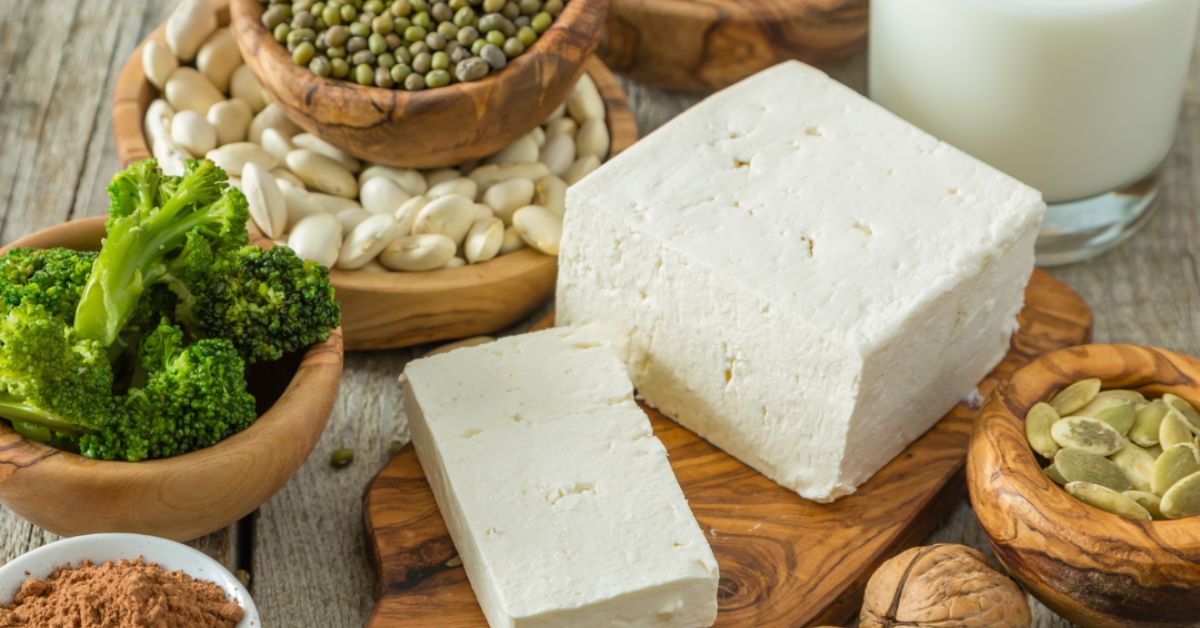
- Protein Powerhouses: Contrary to popular belief, protein deficiency is rare on a well-planned plant-based diet. Abundant sources include legumes (lentils, beans, chickpeas), tofu, tempeh, edamame, nuts, seeds, quinoa, and whole grains.
To enhance your protein intake, it is beneficial to combine different plant-based protein sources. By doing this throughout the day, you can ensure that you’re getting all the essential amino acids. For example, combine grains with legumes, or nuts and seeds with whole grains.
| Food | Protein per 100g (approx.) |
| Spirulina | 60g |
| Nutritional yeast | 50g |
| Hemp seeds | 31g |
| Pumpkin seeds | 30g |
| Lentils | 26g |
| Peanut butter | 25g |
| Seitan | 25g |
| Almonds | 21g |
| Sunflower seeds | 21g |
| Black beans | 21g |
| Tempeh | 19g |
| Oats | 17g |
| Chia seeds | 17g |
| Wild rice | 15g |
| Quorn mince | 14.5g |
| Quinoa | 14g |
| Buckwheat | 13g |
| Edamame | 11g |
| Tofu | 8g |
| Brown rice | 7g |
- Ironclad Strategies: Iron is crucial for oxygen transport and energy production. While plant-based iron (non-heme iron) is less bioavailable than iron from animal sources, you can enhance its absorption by:
- Pairing with Vitamin C: Consume iron-rich foods with vitamin C-rich foods like citrus fruits, berries, and tomatoes.
- Cooking Techniques: Cooking in cast iron pots can increase the iron content of your food.
- Avoiding Inhibitors: Limit consumption of coffee and tea with meals, as they can inhibit iron absorption.
| Food | Iron per 100g (approx.) |
| Spinach | 2.7mg |
| Lentils | 6.6mg |
| Tofu | 5.4mg |
| Kidney Beans | 5.2mg |
| Chickpeas | 6.2mg |
| Edamame | 3.4mg |
| Tempeh | 2.7mg |
| Dried apricots | 6.3mg |
| Quinoa | 4.6mg |
| Oats | 3.9mg |
| Pumpkin seeds | 8.8mg |
| Cashews | 6.7mg |

- Calcium Cornerstone: Calcium is, indeed, essential for strong bones and teeth. To maximize calcium absorption, it is important to ensure you have adequate vitamin D intake. Additionally, avoid consuming calcium-rich foods alongside high-oxalate foods like spinach and rhubarb, as they can hinder absorption. Excellent plant-based sources of calcium include:
| Food | Calcium per 100g (approx.) |
| Kale | 150mg |
| Tofu (calcium-set) | 350mg |
| Sesame seeds | 975mg |
| Cooked chickpeas | 49mg |
| Dried figs | 162mg |
| Cooked broccoli | 47mg |
| Orange | 40mg |
| Calcium-set silken tofu | 131mg |
| Firm tofu (calcium-set) | 163mg |
| Tempeh (calcium-set) | 98mg |
| Brazil nuts | 160mg |
| Pistachios | 107mg |
| Chia seeds | 631mg |
| White beans | 63mg |
| Navy beans | 127mg |
- Vitamin B12: The Vegan Essential: Vitamin B12 is crucial for nerve operation and DNA synthesis. Since it’s primarily found in animal products, vegans must obtain it through:
- Supplementation: B12 supplements are available in various forms, including tablets, capsules, sublingual drops, and injections.
- Fortified Foods: Look for fortified plant milk, nutritional yeast, and breakfast cereals.
It’s crucial, therefore, to consult with a healthcare professional to determine the appropriate B12 supplementation dosage and to check your B12 levels.
- Vitamin D: The Sunshine Vitamin: Vitamin D plays a vital role in calcium absorption, bone health, and immune job. While sunlight exposure is the primary source, many people need supplementation, especially:
- During winter months: When sunlight is limited.
- People with darker skin: Melanin can reduce vitamin D synthesis.
- Older adults: The ability to synthesize vitamin D declines with age.
Supplementation dosage varies depending on individual needs and blood levels. Consult with a healthcare professional for personalized guidance.
- Omega-3s: Essential Fats for Optimal Health: Omega-3 fatty acids are crucial for heart health, brain role, and reducing inflammation. Plant-based sources include:
- ALA (alpha-linolenic acid): Found in flaxseeds, chia seeds, and walnuts.
- EPA and DHA: Found in algae oil, a vegan source derived from microalgae.
While the body can convert ALA to EPA and DHA, the conversion rate is limited. Thus, including algae oil in your diet or supplementing with it can be beneficial.
2. Key Nutrients in a Plant-Based Diet and How to Get Them

- Plant-Based Pantry Essentials: Stock your pantry with these versatile staples:
- Grains: Quinoa, brown rice, oats, whole wheat pasta, barley.
- Legumes: Lentils, black beans, chickpeas, kidney beans, canned beans.
- Nuts and Seeds: Almonds, walnuts, cashews, chia seeds, flaxseeds, hemp seeds.
- Spices and Herbs: A wide variety to add flavor and depth to your dishes.
- Condiments: Soy sauce, tamari, nutritional yeast, vinegar, mustard, hot sauce.
- Healthy Pantry Shortcuts: Canned tomatoes, vegetable broth, coconut milk, plant-based protein powder.
- Mastering Plant-Based Cooking Techniques:
- Sautéing: Use a small amount of oil to cook vegetables and tofu over medium-high heat.
- Roasting: Roast vegetables, tofu, and tempeh in the oven for a caramelized flavor and crispy texture.
- Steaming: Steam vegetables to preserve their nutrients and vibrant color.
- Grilling: Grill vegetables and tofu for a smoky flavor.
- Baking: Bake plant-based breads, muffins, and desserts.
- Recipe Roundup: A World of Flavor:
- Breakfast: Overnight oats with berries and nuts, tofu scramble with vegetables, smoothies.
- Lunch: Lentil soup, quinoa salad with roasted vegetables, chickpea salad sandwiches.
- Dinner: Stir-fries, lentil stews, pasta with marinara sauce and vegetables, veggie burgers.
- Snacks: Fruit with nut butter, hummus with vegetables, popcorn, trail mix.
- Desserts: Fruit crumble, vegan chocolate cake, banana nice cream.
- Ingredient Substitution Guide:
- Meat: Tofu, tempeh, lentils, beans, mushrooms, seitan.
- Eggs: Flaxseed meal (1 tbsp flaxseed meal + 3 tbsp water = 1 egg), mashed banana, applesauce.
- Milk: Plant-based milk (almond, soy, oat, coconut), cashew cream.
- Cheese: Nutritional yeast, cashew cheese, tofu ricotta.

3. Overcoming Obstacles: Navigating Challenges with Confidence
- Social Dynamics:
- Dining Out: Research restaurants in advance, communicate your dietary needs clearly, and don’t be afraid to ask for modifications.
- Social Gatherings: Offer to bring a plant-based dish to share. Focus on socializing and enjoying the company. Be prepared to answer questions about your dietary choices.
- Travel and Plant-Based Eating:
- Research: Use online resources and apps to find vegan-friendly restaurants and grocery stores.
- Pack Snacks: Bring along nuts, seeds, dried fruit, and other portable snacks.
- Communicate: Learn basic phrases in the local language to explain your dietary needs.
- Staying Motivated and Avoiding Slip-ups:
- Set Realistic Goals: Start gradually and don’t be too hard on yourself if you slip up occasionally.
- Find Support: Connect with other plant-based eaters online or in your community.
- Focus on the Positives: Remember the reasons why you chose a plant-based lifestyle and celebrate your progress.

- Addressing Nutritional Concerns:
- Watch your intake: Use a food journal or app to track your nutrient intake.
- Consult with a professional: A registered dietitian can help you create a balanced meal plan and solve any nutritional concerns.
- Get regular blood tests: Check your B12, vitamin D, and iron levels.
- Addressing Common Myths About Plant-Based Diets:
- “Plant-based diets are deficient in protein.” False! Plant-based diets can supply ample protein when planned correctly.
- “Soy is bad for you.” False! Moderate soy consumption is safe and can offer health benefits.
- “Plant-based diets are expensive.” False! Plant-based staples like beans, lentils, and rice are very affordable.

4. Environmental Impact: A Deeper Dive
- The Carbon Footprint of Food: Animal agriculture is a leading cause of greenhouse gas emissions, deforestation, and water pollution. Plant-based diets have a significantly lower environmental impact.
- Greenhouse Gas Emissions: Livestock production accounts for an estimated 14.5% of global greenhouse gas emissions.
- Land Use: Animal agriculture uses 83% of agricultural land but produces only 18% of our calories.
- Water Consumption: Producing 1 kg of beef, for instance, requires a staggering 15,000 liters of water. In comparison, producing just 1 kg of tofu requires only 2,400 liters.
- Sustainable Agriculture and Food Systems: Plant-based agriculture can contribute to more sustainable food systems by:
- Reducing reliance on synthetic fertilizers and pesticides.
- Promoting soil health and biodiversity.
- Conserving water and reducing pollution.
- Food Security and Global Impact: Shifting towards plant-based eating can help tackle global food security challenges by:
- Increasing food availability: Plant-based agriculture can produce more food per unit of land and water.
- Reducing food waste: Plant-based foods generally have a longer shelf life than animal products.
- Improving access to nutritious food: Plant-based staples are often more affordable and accessible than animal products.
5. Scientific Evidence: A Robust Foundation
- Health Benefits: The Research Speaks: Many studies have demonstrated the health benefits of plant-based diets:
- The Adventist Health Study-2: This is a large cohort study. It found that vegetarians have a lower risk of heart disease. Vegetarians also have a lower risk of type 2 diabetes. Additionally, they have a lower risk of some cancers.
- The EPIC-Oxford Study: A European study that showed that vegetarians have a lower risk of heart disease and cancer.
- The China Study: A landmark study that linked animal protein consumption to an increased risk of chronic diseases.
- Longevity and Plant-Based Eating: Populations with high life expectancies and low rates of chronic disease often consume predominantly plant-based diets. This is observed in people of Okinawa, Japan. It is also seen in the Seventh-day Adventists in Loma Linda, California.
- Nutritional Adequacy: Evidence-Based Recommendations: Organizations like the Academy of Nutrition and Dietetics recognize that well-planned plant-based diets meet nutritional needs. These diets are effective for all individuals. These diets are suitable for all ages.
6. Addressing Common Myths About Plant-Based Eating
- Soy: Separating Fact from Fiction: Moderate soy consumption, in fact, is safe and may even offer health benefits. Furthermore, concerns about its effects on hormones and thyroid performance are largely unfounded. Therefore, it is advisable to choose minimally processed soy foods such as tofu, tempeh, and edamame.
- Gluten and Plant-Based Diets: Gluten, a protein found in wheat, barley, and rye, is often a staple in plant-based diets. If you have celiac disease or gluten sensitivity, opt for gluten-free grains like rice, quinoa, and corn. Many plant-based products are also available in gluten-free versions.
- Supplementation: When and Why?: While a well-planned plant-based diet can offer most essential nutrients, supplementation may be necessary for:
- Vitamin B12: Essential for vegans.
- Vitamin D: Especially during winter or for those with limited sun exposure.
- Omega-3s: Algae oil can offer EPA and DHA.
- Iron: If blood tests show deficiency.
Consult with a healthcare professional for personalized advice on supplementation.
7. Plant-Based on a Budget: Affordable and Accessible
Contrary to the common misconception that plant-based eating is expensive, it can, in fact, be quite affordable. To illustrate this, here are some helpful tips for eating plant-based on a budget:
- Embrace staples: Beans, lentils, rice, oats, and potatoes are inexpensive and versatile.
- Buy in bulk: Buy grains, legumes, and nuts in bulk to save money.
- Cook at home: Preparing meals at home is cheaper than eating out.
- Shop seasonally: Fruits and vegetables are more affordable when they’re in season.
- Grow your own: Even a small garden or herbs on your windowsill can help reduce costs.
- Reduce food waste: Plan your meals, store food properly, and use leftovers creatively.
8. Plant-Based for All: Adapting to Different Needs

- Plant-Based for Athletes: Athletes, in fact, can thrive on plant-based diets by focusing on adequate calorie intake, as well as ensuring sufficient protein, iron, and calcium. Therefore, it is advisable to consult with a sports dietitian for personalized guidance.
- Plant-Based for Children: Plant-based diets can be healthy for children. They must be planned carefully to guarantee adequate nutrient intake. It’s important to focus on nutrients like protein, iron, calcium, vitamin B12, and vitamin D.
- Plant-Based During Pregnancy and Lactation: Pregnant and lactating women can meet their nutritional needs on a plant-based diet. They must pay close attention to protein, iron, calcium, vitamin B12, omega-3s, and other essential nutrients. Consult with a healthcare professional for personalized guidance.
- Plant-Based for Older Adults: Plant-based diets can support healthy aging. They supply essential nutrients. These diets reduce the risk of chronic diseases. Pay attention to protein, calcium, vitamin B12, and vitamin D intake.
9. Easy Tips for Incorporating More Plant-Based Eating into Your Meals

- Start gradually: Start by incorporating more plant-based meals into your diet gradually.
- Experiment with new foods: Explore different plant-based protein sources, grains, vegetables, and fruits.
- Find your tribe: Connect with other plant-based eaters for support and inspiration.
- Educate yourself: Learn about plant-based nutrition, cooking techniques, and meal planning.
- Be patient: It takes time to adapt to a new way of eating.
- Focus on the positive: Celebrate your progress and the positive impact you’re making.
10. Resources and Further Exploration
- Books: “How Not to Die” by Dr. Michael Greger, “The China Study” by T. Colin Campbell, “Vegan for Life” by Virginia Messina.
- Websites: The Vegan Society, Veganuary, PCRM (Physicians Committee for Responsible Medicine), Forks Over Knives.
- Documentaries: “Forks Over Knives,” “What the Health,” “Cowspiracy,” “Game Changers.”
- Apps: HappyCow (find vegan restaurants), Cronometer (track your nutrient intake), Oh She Glows (plant-based recipes).
Conclusion
Plant-based eating, indeed, offers a wealth of benefits for your health, the planet, and animals. Furthermore, with careful planning, you can successfully embrace a plant-based lifestyle that nourishes your body.. Being open to exploring new foods and flavors will also feed your soul. You can go fully vegan. You might adopt a flexitarian approach. Simply incorporating more plant-based meals into your diet is another choice. All these choices, consequently, help you take a step towards a healthier, more sustainable, and compassionate way of living.
Add the vibrant tang of sumac to your plant-based dishes. This spice not only enhances flavor but also packs a nutritional punch. For a delightful holiday feast, visit our vegan Thanksgiving post. It offers creative and delicious plant-based recipes. These recipes will truly impress your guests.hes.
Remember: It’s always advisable to consult with a healthcare professional. Talk to a registered dietitian before making significant dietary changes. This is especially important if you have any underlying health conditions.