

Imagine sitting at a fine dining restaurant. As the server carefully places a dish in front of you, it immediately captures your attention. It looks like a piece of art, with the chef precisely positioning every element. Furthermore, the colors are vibrant, and the textures are varied, creating a stunning visual contrast. For a moment, you hesitate, as if disturbing the visual masterpiece would be a disservice. Interestingly, chefs achieve much of this magic by using culinary gels. These unsung heroes of modern gourmet plating offer chefs endless possibilities. In fact, they are revolutionizing how chefs present flavor, texture, and visual appeal. Ultimately, culinary gels transform each dish into a sensory experience that goes far beyond taste alone.
This post will take you on a journey into the fascinating world of culinary gels. First, we’ll explore what they are and why they matter. Next, you’ll learn how to master the art of plating with these versatile ingredients. By the end, you’ll be equipped to create gourmet dishes that not only taste incredible but also leave a lasting impression. Whether you’re an experienced chef or a passionate home cook, understanding culinary gels will lead to endless creativity. It will elevate your cooking to new heights.
What Are Culinary Gels?
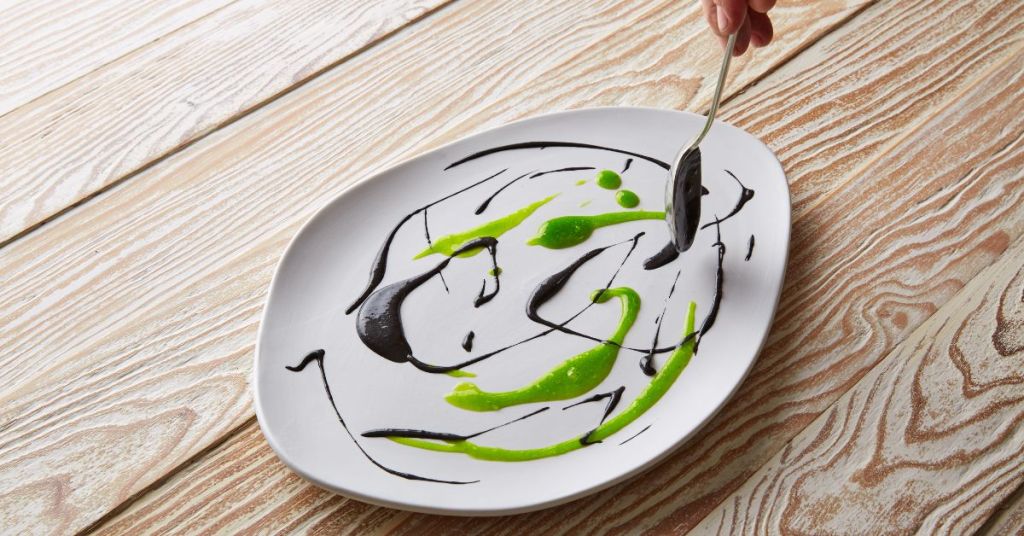
Culinary gels are essential substances in modern cooking, offering chefs the ability to transform liquids into a gel-like consistency. This transformation typically relies on gelling agents such as agar-agar, gelatin, pectin, or gellan gum. By using these agents, chefs can manipulate textures with precision, enabling them to craft visually striking elements on a plate. Moreover, culinary gels are incredibly versatile. Not only do they provide structural integrity, but they also enhance aesthetic appeal. Additionally, they concentrate flavors, elevating each dish to deliver an unforgettable dining experience.
The Science Behind Gels
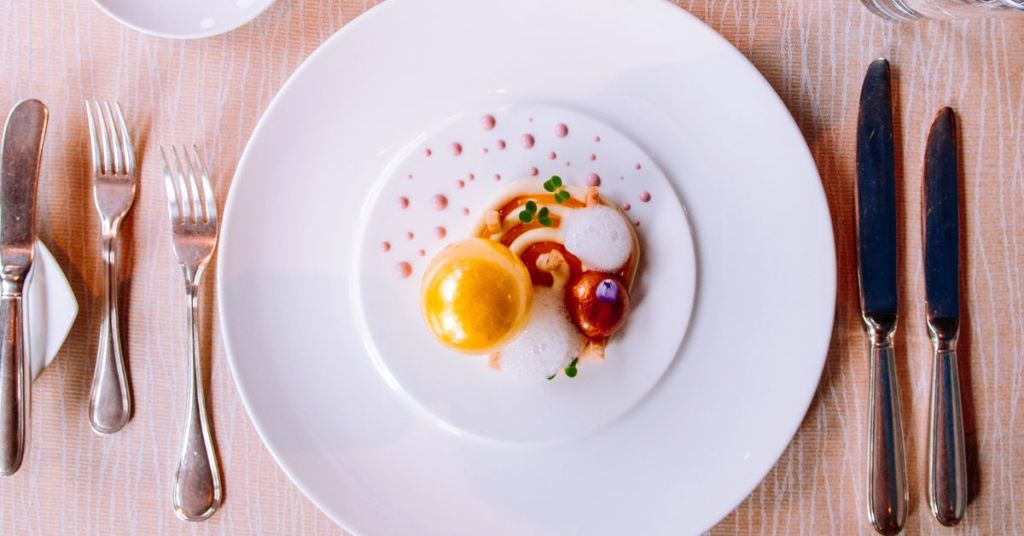
Different gelling agents create different types of gels, each with its own unique properties:
- Agar-Agar: Derived from red algae, agar-agar serves as a popular plant-based gelling agent. Not only does it create firm, heat-stable gels, but it also excels in precision plating. As a result, chefs frequently use it in vegan and vegetarian dishes. They aim to achieve both the desired texture and an elegant presentation.
- Gelatin: Extracted from animal collagen, gelatin produces soft, elastic gels with a luxurious mouthfeel. Agar-agar works exceptionally well in desserts like panna cotta, mousses, and other dishes that require a tender set.
- Pectin: Naturally found in fruits, pectin commonly thickens jams, jellies, and fruit-based gels. It produces a soft gel, making it an excellent choice for sweet applications.
- Gellan Gum: A modern gelling agent that allows for high precision and firmness. Chefs prize gellan gum for its ability to create transparent, stable gels. These gels can hold intricate shapes.
Why Culinary Gels Are Important in Modern Cuisine

Culinary gels are not just about transforming liquids; they are about transforming experiences. They offer chefs exciting new ways to present flavors. Chefs can suspend herbs in transparent gels. They can also create flavor spheres that burst in your mouth. The use of gels bridges the gap between taste and texture, delivering a multi-sensory experience that leaves diners in awe.
Chefs use gels to stabilize sauces, introduce new textures, and craft delicate garnishes that elevate a dish visually. Moreover, with their help, even the simplest ingredients can become bold, standout elements. This transformation turns ordinary dishes into culinary masterpieces. These elements are intricate and enhance both the flavor and presentation of a plate.
The Role of Texture in Gourmet Cooking
In the world of gourmet cooking, flavor is just one part of the equation. Texture plays a critical role in how we perceive food, contributing to its appeal and overall sensory experience. Culinary gels provide a unique way to manipulate texture, turning simple liquids into elements with complex forms and layers.
Visual Appeal and Mouthfeel
Texture not only enhances the look of a dish but also impacts the way it feels in your mouth. Imagine a dish with a silky, melt-in-your-mouth mousse paired with the firm, satisfying bite of a gelled sauce. The interplay of these textures creates a memorable dining experience, keeping the palate engaged and excited.
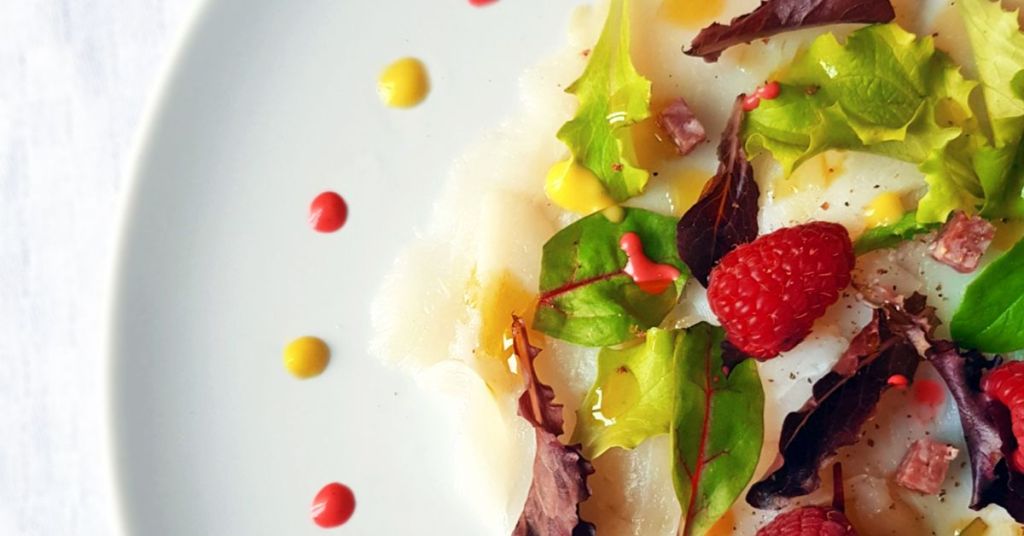
Culinary gels allow chefs to control the visual texture of a plate. They add gloss and shine to components. Gels can also contrast with other elements to create depth. For instance, chefs can use a clear agar-agar gel as a base. It highlights other colorful components of the dish. This makes them pop visually.
Balancing Flavor and Texture with Culinary Gels
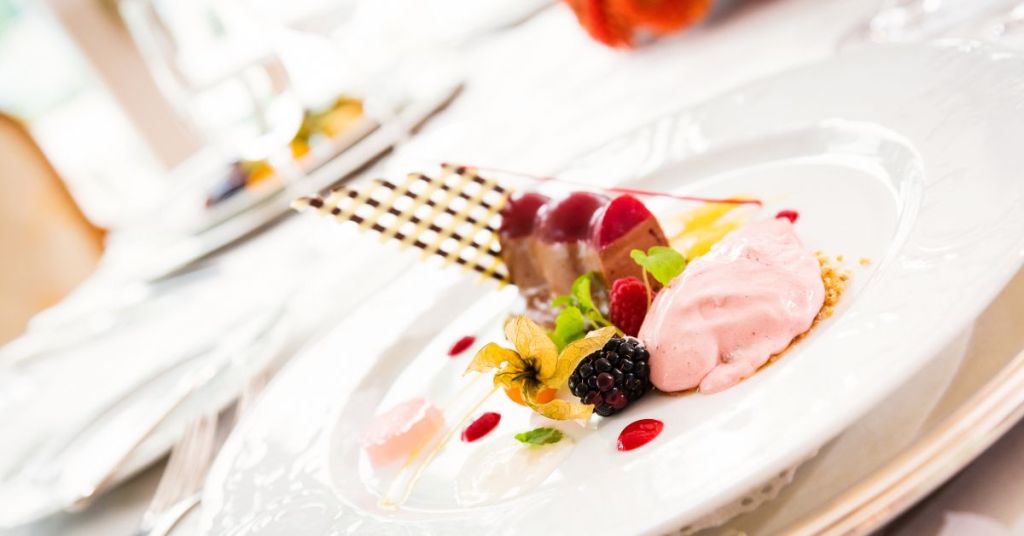
The key to using culinary gels effectively lies in the balance between flavor and texture. A well-made gel should deliver an intense burst of flavor while offering a pleasing mouthfeel that complements the dish. For instance, a gel made from reduced mushroom broth is rich and savory. It can add an earthy depth to a seared beef dish. Its smooth texture contrasts with the crispy exterior of the meat.
The right balance of texture enhances the overall harmony of the dish. Too firm, and the gel may feel out of place; too soft, and it might not hold its intended shape. The art lies in finding that sweet spot where flavor, texture, and visual appeal come together seamlessly.
Interactive Elements
Culinary gels also allow chefs to create interactive elements on the plate. Gels that burst or melt on contact with heat or pressure can add a playful, surprising aspect to a dish. Imagine a gel sphere filled with a flavorful sauce. It bursts when the diner takes a bite and releases a rush of flavor. These types of surprises make gourmet dining so engaging.
Enhancing Gels with Natural Colors
The ability of culinary gels to transform textures is one of their most exciting aspects. They also enhance the visual appeal of dishes through vibrant, natural colors. Chefs can create striking gels in shades of deep blue or purple by using ingredients like butterfly pea flower. This adds a unique aesthetic element to their plating. These natural hues elevate the dish while keeping it free from artificial additives, a growing priority in conscious cooking.
For instance, butterfly pea flower is not only a visual delight. It also offers a subtle, earthy flavor. This flavor complements both sweet and savory applications. Its ability to change color based on pH levels opens up creative possibilities. You can create gradient gels that shift from blue to purple. They can even turn pink when paired with acidic elements like lemon or vinegar. This makes it an excellent choice for those looking to experiment with dynamic visual effects in their dishes.
To explore more about using butterfly pea flower in your culinary creations, read our detailed guide. It includes tips for maximizing its color-transforming properties. Check out the guide on Using Butterfly Pea Flower: A Colorful Addition to Your Culinary Creations. This natural ingredient will revolutionize culinary arts. It helps chefs and home cooks add a vibrant, artistic flair to their plates.
Mastering the Art of Plating with Culinary Gels
Mastering the art of plating with gels requires an understanding of both the science and the artistry behind it. It’s not just about making a gel. It’s about knowing how to use it. This knowledge helps bring out the best in every dish.
Tools of the Trade
To plate with culinary gels effectively, you need the right tools. Here are some essentials:
- Piping Bags: Ideal for applying gels in controlled lines, dots, or shapes. Piping bags allow for precise placement, ensuring that each element looks as intended.
- Molds: Chefs use molds to shape gels into intricate forms, ranging from simple cubes and spheres to more complex designs. Silicone molds are particularly useful as they are easy to remove without damaging the gel.
- Syringes and Spoons: These are useful for creating small gel spheres (caviar) or for spherification techniques. Syringes allow for controlled droplets, perfect for adding tiny bursts of flavor across the plate.
Preparing the Perfect Gel

Creating the perfect gel starts with selecting the right gelling agent based on your desired outcome. Agar-agar works well for firm gels, while gelatin provides a more delicate texture. Here is a step-by-step guide:
- Choosing the Gelling Agent: Determine the properties you need—do you want a firm set or a soft melt-in-the-mouth texture? Agar-agar is best for heat-resistant gels, while gelatin is great for soft, cold applications.
- Mixing and Heating: Dissolve the gelling agent in your chosen liquid. Most gelling agents require heating to fully dissolve and activate. Be sure to follow specific ratios for the agent. Incorrect amounts can make the gels too firm. They can also make them too soft.
- Setting the Gel: Once dissolved, pour the mixture into a mold or spread it on a flat surface to set. The setting time will depend on the agent used; agar-agar sets quickly at room temperature, while gelatin typically needs refrigeration.
Artistic Plating Techniques Using Culinary Gels
Creating Geometric Patterns
One of the simplest yet most striking ways to use culinary gels is by creating geometric patterns on the plate. Chefs pipe or mold gels into circles, squares, or abstract shapes to enhance the dish’s visual appeal.
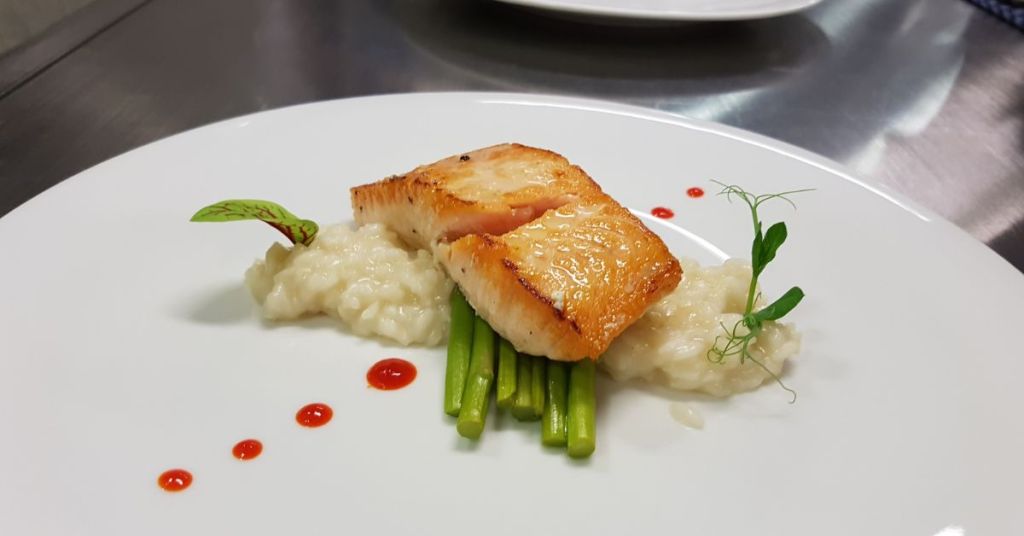
Example: A perfectly seared salmon fillet rests on a bed of creamy risotto and bright green vegetables. Chefs place small droplets of red gel artfully on the plate, adding a pop of color and flavor. The clean presentation of the dish feels both fresh and comforting.
Layering Gels for Depth
Layering gels can significantly enhance the depth and dimension of a plate. By incorporating gels of different colors, chefs can craft a visually compelling dish that immediately captures attention. Furthermore, these layers are not just about aesthetics. Each one brings unique flavors and textures, adding multiple dimensions to the overall taste experience. As a result, every bite becomes a journey through contrasting yet harmonious elements.
Example: A layer of herb-infused gel topped with a citrus gel can create a vibrant garnish for seafood dishes. It adds both flavor complexity and a striking visual element.
Using Gels as a Canvas
A thin layer of gel can serve as a base for plating, much like a painter uses a canvas. Consequently, this technique is ideal for presenting delicate proteins or vegetables in a way that highlights their natural beauty.

Example: A perfectly cooked steak rests on a bed of rich vegetable sauce. Chefs complement it with creamy mashed potatoes shaped with artistic flair. They garnish the dish with a roasted tomato and a crisp potato chip. A vibrant orange sauce streaks the plate. It adds both color and a refined, artistic touch to the gourmet presentation. The steak is tender and juicy, beautifully presented for a fine dining experience.
Flavor Pairing with Culinary Gels
Culinary gels offer a unique opportunity to pair flavors in innovative ways. Because they can carry concentrated flavors, gels are perfect for enhancing or contrasting with the main components of a dish.
Balancing Flavors
Chefs infuse gels with a wide variety of flavors, ranging from herbs and spices to citrus and even alcohol. To achieve successful flavor pairing, it is crucial to ensure that the gel complements the other components on the plate. In other words, it should enhance the dish without overpowering its delicate balance. When done correctly, this harmony elevates the dining experience, allowing each element to shine.
Example: A lemon thyme agar-agar gel can add brightness and acidity to a roasted chicken dish. It cuts through the richness. It provides a refreshing contrast.
Sweet and Savory Applications
Chefs use gels in both sweet and savory dishes, showcasing a versatility that few other elements can match.
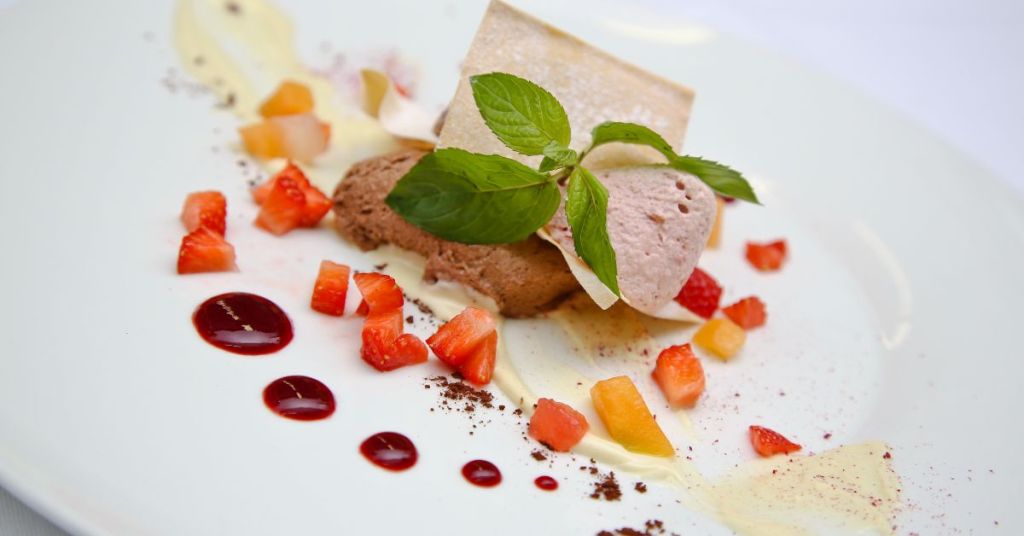
- Sweet Applications: Fruit gels made with pectin or agar-agar are perfect for desserts. For instance, imagine a raspberry gel paired with dark chocolate. The acidity of the raspberry effectively cuts through the richness of the chocolate. As a result, this combination creates a perfectly balanced bite.
- Savory Applications: Herb-infused gels can add a burst of flavor. For instance, a rosemary gel paired with lamb enhances the meat. It also adds a visual element to the plate.
Pairing Examples
- Balsamic Gel with grilled vegetables: The sweet-tart flavor of balsamic adds depth to the smoky flavors of grilled zucchini. It enhances the taste of eggplant or bell peppers.
- Citrus Gel with seafood: A lime or yuzu gel paired with scallops or shrimp adds refreshing acidity. This acidity brightens the dish. It also balances the richness of the seafood.
- Herb Gel with poultry: A basil or tarragon gel can provide a burst of fresh, herbal flavor. This elevates a simple roast chicken.
Innovative Trends in Culinary Gel Plating
Culinary gels play a central role in many of today’s modern plating trends. Not only do they allow chefs to push creative boundaries, but they also help craft innovative dining experiences. As a result, these gels have become indispensable tools in the pursuit of culinary excellence.
Edible Art with Gels
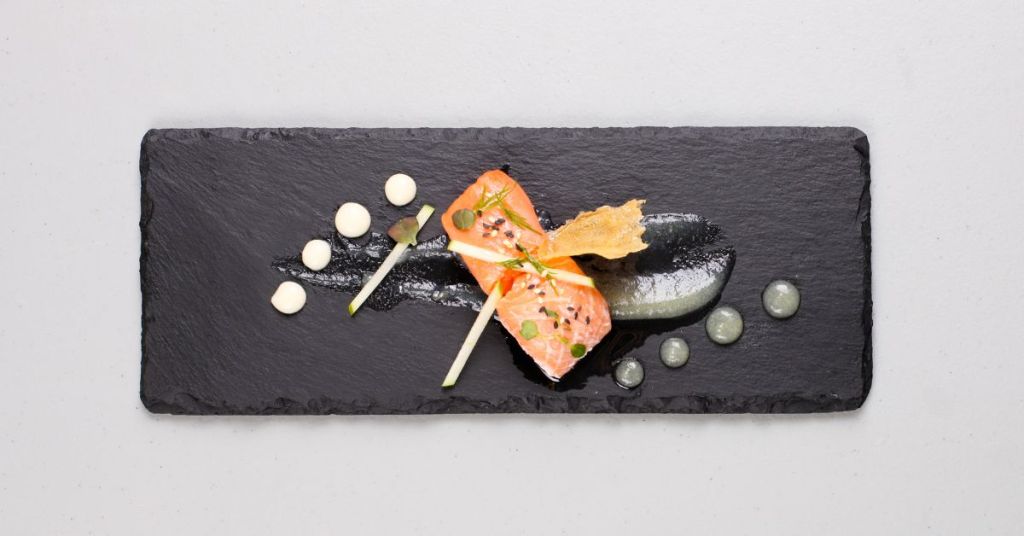
Chefs are increasingly using gels to create edible art, turning each plate into an intricate composition. By skillfully layering gels or using them to draw delicate patterns, they can transform ordinary dishes into visual masterpieces. Moreover, these creations often tell a story, adding a narrative element that enhances the dining experience.
Example: A swirl of beetroot and orange gels on a plate can create a vibrant, eye-catching background. It enhances a dish of duck confit by adding flavor. Additionally, it brings a sense of movement and flow to the presentation.
Interactive Plates
Interactive elements are a big trend in fine dining, and gels are perfect for this purpose. Gels that burst or melt when touched add a playful element to a dish, making the dining experience more engaging.
Example: Chefs serve gel spheres filled with herb-infused vinaigrette alongside a salad. They burst in the mouth to release their flavorful contents. This creates a dynamic contrast to the crisp vegetables.
Fusion Cuisine and Gels
Chefs incorporate gels into fusion cuisine, blending traditional flavors with modern techniques to create innovative dishes.
Example: A miso-infused gel on a sushi plate can add a rich umami flavor. It complements the delicate fish. It also provides a glossy visual element that enhances the presentation.
Vegan and Gluten-Free Alternatives for Culinary Gels
The versatility of culinary gels makes them ideal for accommodating dietary restrictions. Many gelling agents are naturally vegan. They are also gluten-free. This allows chefs to create dishes that cater to a variety of dietary needs.
Vegan Gels
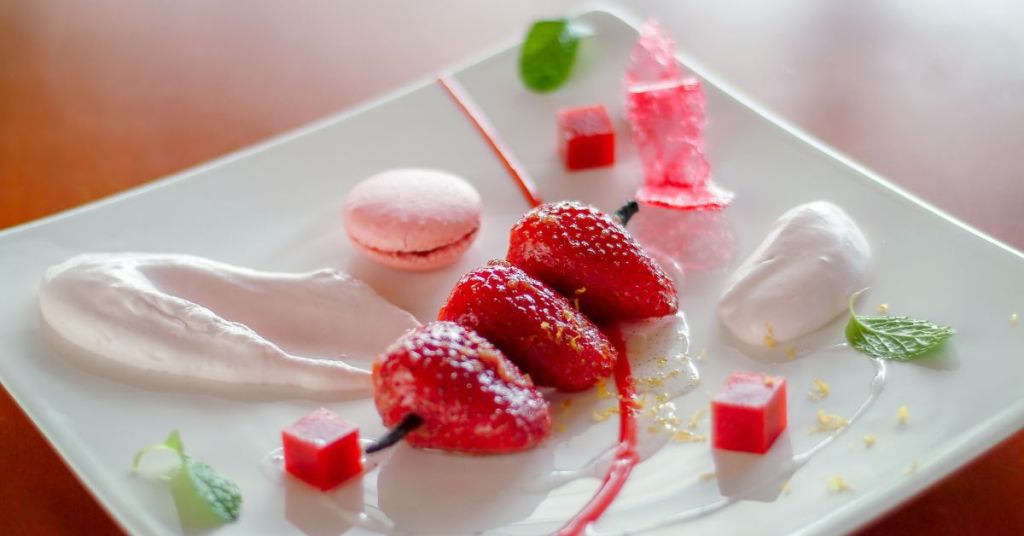
Agar-agar, pectin, and gellan gum are excellent choices for creating vegan gels. These plant-based gelling agents offer the same structural properties as gelatin. However, they do so without relying on any animal products. As a result, they are ideal for chefs looking to craft plant-based dishes without compromising on texture or visual appeal. For more inspiration on plant-based culinary techniques, explore our post on Ultimate Plant-Based Thanksgiving Menu Ideas.
Example: A passionfruit agar-agar gel is used to top a vegan cheesecake. It provides a bright, tangy contrast. This enhances the creamy dessert while being entirely plant-based.
Gluten-Free Gels
Most gelling agents are inherently gluten-free, making them safe for those with gluten sensitivities. Gellan gum, agar-agar, and gelatin can be used to create gluten-free components. These ingredients add texture and flavor to a dish.
Example: A gluten-free balsamic gel is drizzled over roasted vegetables. This provides a tangy finish. It enhances the natural sweetness of the vegetables without any gluten-containing additives.
Sustainability in Gelling Agents
With growing awareness of sustainability, chefs are turning to more eco-friendly gelling agents. Chefs view agar-agar and pectin, both derived from renewable plant sources, as more sustainable alternatives to animal-derived gelatin.
Practical Applications for Culinary Gels in Home Cooking
You don’t need a Michelin-star kitchen to experiment with culinary gels. In fact, they can be easily incorporated into home cooking. By using these versatile ingredients, you can add a touch of gourmet flair to your everyday dishes. Whether you’re elevating a simple dessert or enhancing a savory course, culinary gels bring creativity and sophistication to the table.
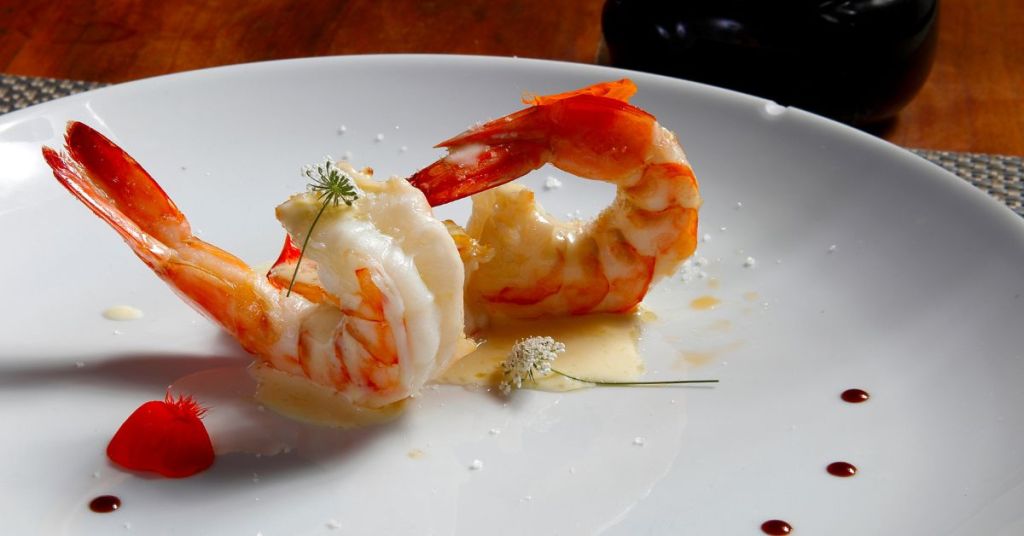
Simplifying Techniques for the Home Chef
Start with simple recipes that don’t require special equipment. Once you’re comfortable with the basics, you can move on to more advanced techniques like spherification or multi-layered gels.
Easy Gel Recipes to Try at Home
- Agar-Agar Fruit Gel: Dissolve agar-agar in fruit juice, bring to a boil, and pour into a mold. Once set, use the gel as a topping for desserts or cut it into shapes for garnishing.
- Balsamic Reduction Gel: Reduce balsamic vinegar until thickened, add agar-agar, and allow it to set. This gel can be used to decorate salads or grilled meats, adding both flavor and visual interest.
Tips for Storing and Reheating Gels
Chefs store gels in the refrigerator for several days but reheat them with care to maintain their texture. Overheating can cause the gel to break down, so it’s best to reheat gently over low heat while stirring continuously.
Culinary gels offer an exciting opportunity to transform your cooking. By adding layers of texture, flavor, and visual appeal, they can turn even the simplest dish into something extraordinary. Additionally, gels allow you to create playful, interactive elements that engage the diner. Beyond their functional role, they significantly enhance the visual appeal of your plating. Ultimately, mastering the techniques behind these versatile ingredients opens up creative possibilities. It elevates your culinary creations to new heights.
So, are you ready to take your cooking to the next level? Grab your favorite gelling agent, unleash your creativity, and start experimenting with culinary gels. The possibilities are endless, and the results are sure to impress.
Want to dive deeper into the fascinating world of culinary gels and modern techniques? The Culinary Institute of America provides in-depth insights into modernist cuisine. They showcase the use of gels to elevate dishes to new heights (learn more here). Additionally, Molecular Recipes showcases how culinary gels can transform textures. They enhance the visual appeal of your creations (find out more).
Looking to blend science with your culinary skills? Harvard University’s Science & Cooking course offers a fascinating deep dive into the molecular techniques behind modern gastronomy. It covers topics like spherification and diffusion. Best of all, you can enroll for free through their partnership with edX, making cutting-edge culinary science accessible to everyone. Whether you’re a home cook, this course will equip you with the tools to experiment. Professional chefs will also find tools to innovate in their own kitchens. Learn more here.