
A Comprehensive Guide to Essential Tools (and More!)
When it comes to conquering your kitchen, starting with the top kitchen utensils is like assembling your ultimate adventure toolkit. These kitchen tools are reliable partners that will turn your culinary dreams into reality—whether you’re wielding a whisk or slicing like a pro.
So, you’ve finally flown the coop, found your soulmate (or maybe flown solo from one), and are staring blankly at your kitchen, wondering where to even begin. Fear not, intrepid culinary explorer! While this isn’t just another boring list of ‘must-have kitchen utensils,’ it serves as your survival guide. Moreover, it’s your weapon against takeout temptation, unlocking a world of delicious home-cooked meals.
You might be a kitchen newbie armed with nothing but a rusty spork and a dream. This guide will equip you with the knowledge to conquer any culinary challenge. Alternatively, perhaps you are a seasoned pro looking to refine your arsenal. To begin with, we’ll start by selecting the perfect chef’s knife—your new best friend—and then move on to mastering the art of the whisk. Ultimately, therefore, from essential kitchen utensils to advanced techniques, you’ll be prepared for everything from a simple scrambled egg to a gourmet feast. So, get ready to ditch the takeout menus and embrace your inner chef – things are about to get delicious!
Moving on, let’s explore the essential kitchen knives for a well-equipped kitchen.
Knives: The Heart and Soul of Your Kitchen
Knives are the cornerstone of any well-equipped kitchen. In fact, they’re an extension of your hand, serving as the primary kitchen tools that dictate your culinary precision and efficiency. Therefore, choosing the right kitchen knives and understanding their specific purposes is paramount to your success in the kitchen.
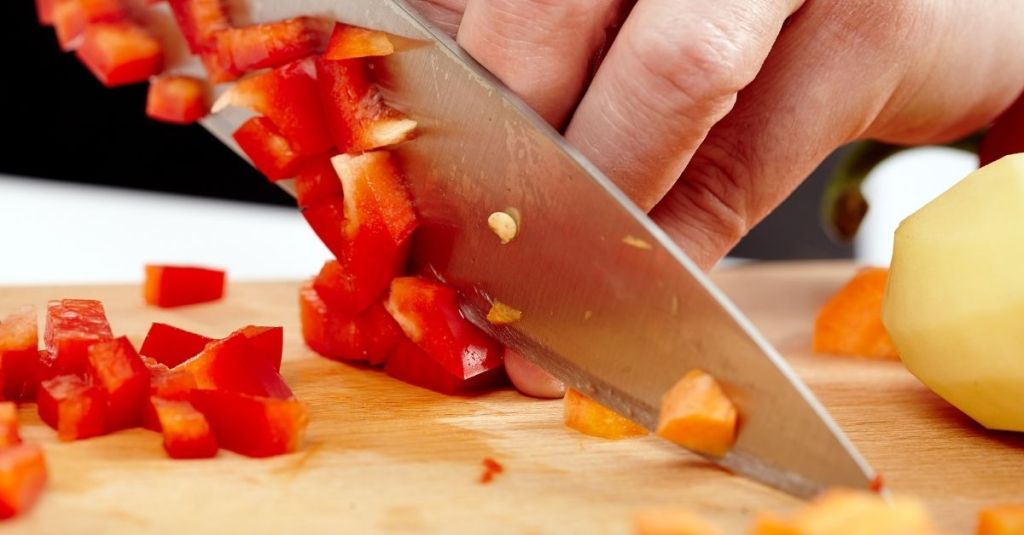


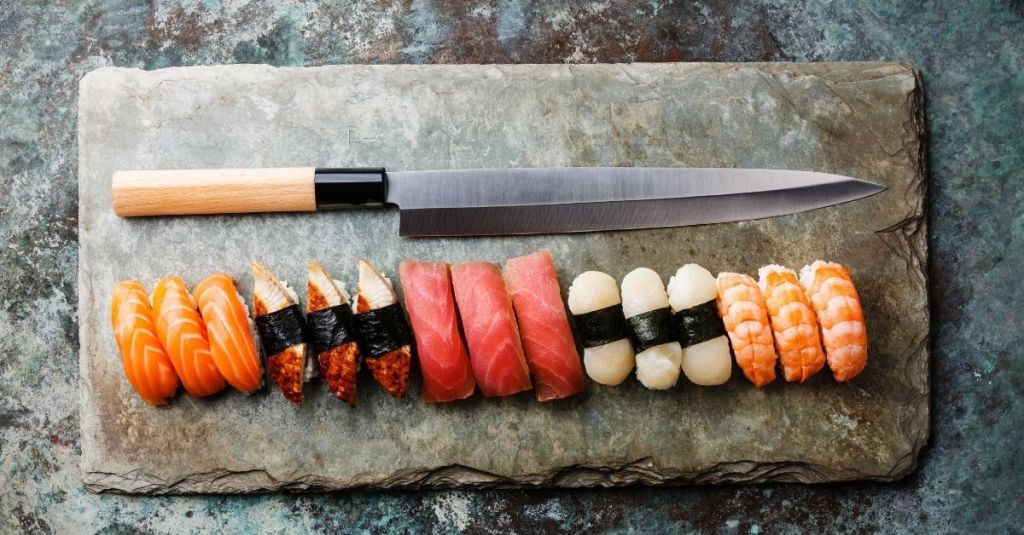
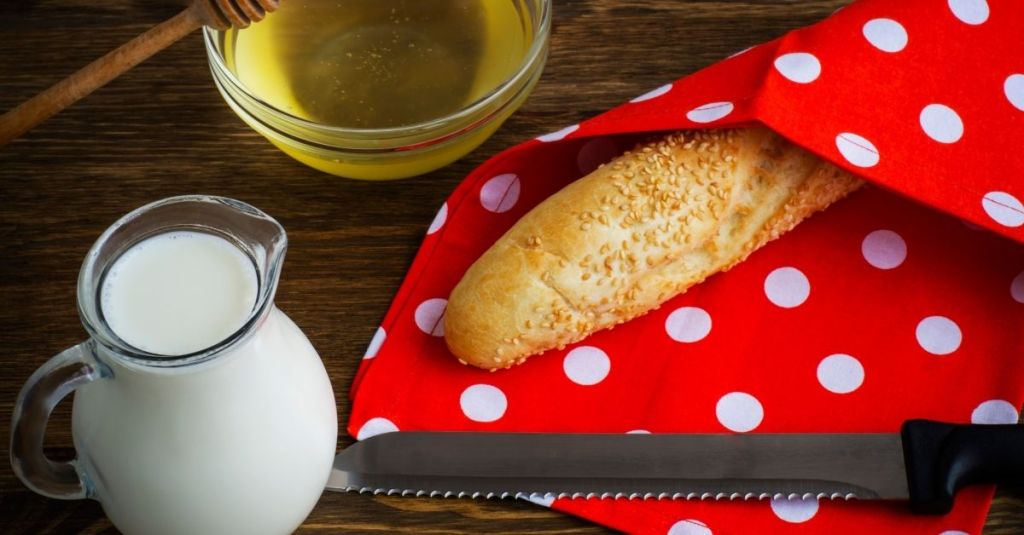
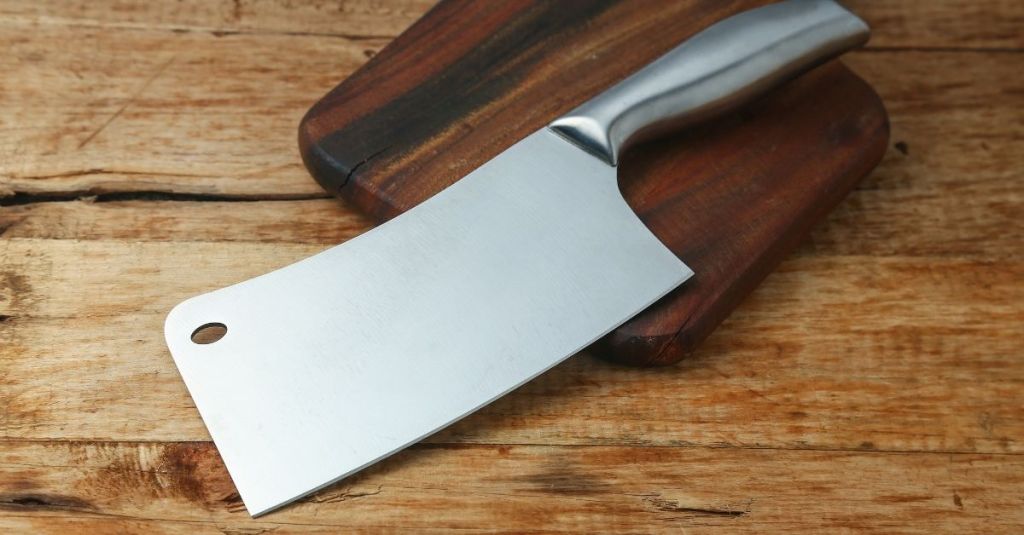
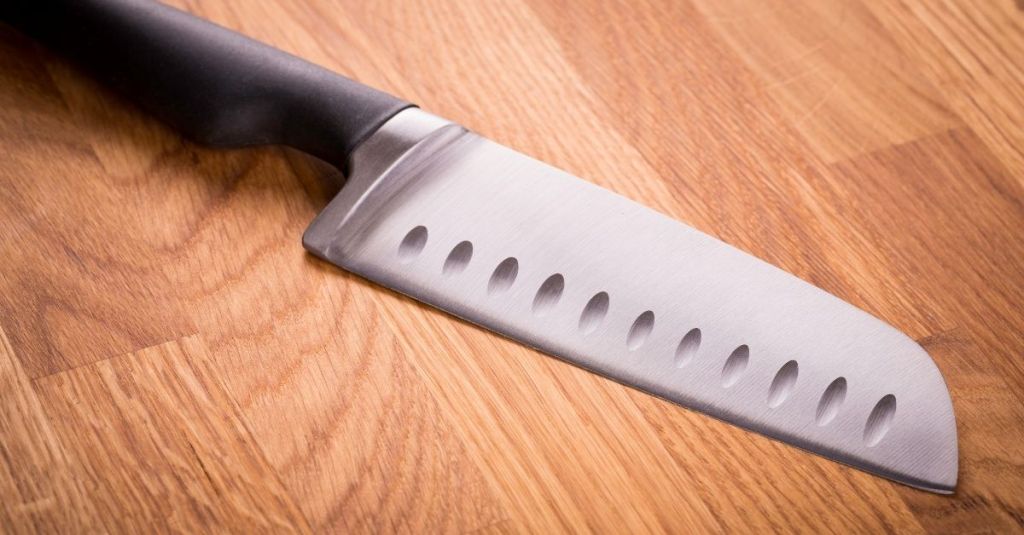
- Chef’s Knife: This is your culinary workhorse. Additionally, it serves as a versatile companion for countless tasks, from mincing garlic to slicing a roast chicken. An 8-inch blade offers the best balance of control and reach for most home cooks.
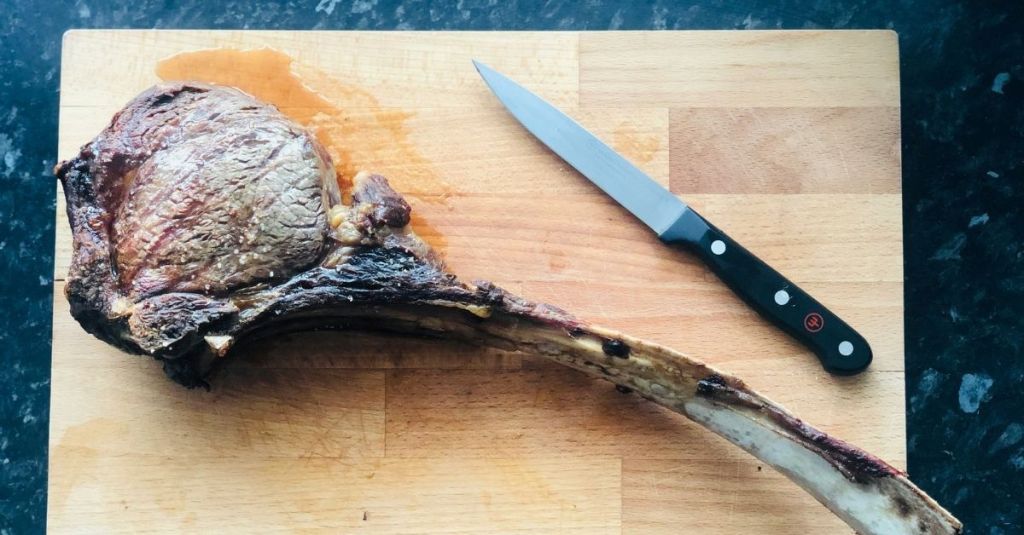
- Paring Knife: This small but mighty knife is your precision tool. It is ideal for intricate tasks like peeling delicate fruits. You can use it to remove seeds from chili peppers and to devein shrimp.
- Blade Length: A blade between 3 and 4 inches offers optimal control and maneuverability for detailed work.
- Tip: A sharp, pointed tip is crucial for precise cuts and delicate maneuvers.
- Serrated Knife: Don’t let bread or tomatoes get the better of you. Instead, rely on a serrated knife’s saw-like edge, which effortlessly glides through these tricky textures, yielding clean, even slices without crushing.
- Teeth: Look for a knife with deep, pointed teeth for efficient cutting and minimal tearing. Offset teeth can further enhance performance by reducing friction.
- Flexibility: A slightly flexible blade helps the knife adapt to the contours of bread. This ensures even slices of bread and other foods.
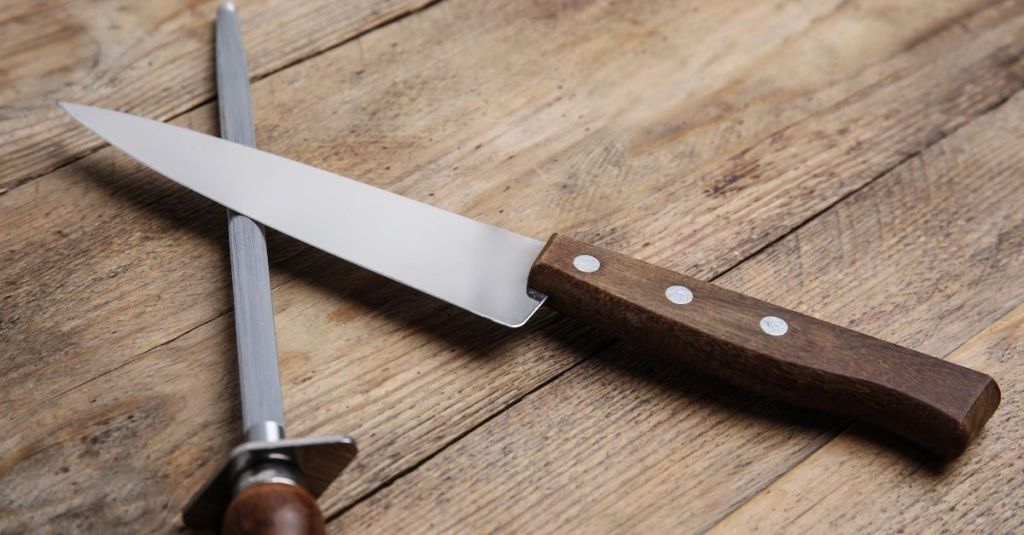
- Honing Steel: Maintaining the edge of your knives is paramount to their performance and longevity. While a honing steel is not a sharpener, it plays a crucial role in realigning the microscopic teeth of the blade. Over time, these teeth become misaligned with regular use, and honing helps restore their alignment, ensuring optimal cutting performance.
- Material: Ceramic and steel are common materials for honing steels. Ceramic honing steels are gentler on the blade, while steel honing steels offer more aggressive realignment.Technique: Hold the steel vertically. Next, draw the knife blade across it at a consistent 20-degree angle. Alternate sides with each stroke. Keep light pressure and focus on consistent movements.
Beyond the Basics
- Boning Knife: Moving beyond basic tools, the boning knife is specifically designed for separating meat from bone with ease. With a thin, flexible blade, it can effortlessly navigate around bones and cartilage. Additionally, its pointed tip allows for precise piercing and trimming.
- Fillet Knife: With a long, thin, and flexible blade, a fillet knife is specifically designed for filleting fish. Its flexibility allows it to follow the contours of the fish, yielding clean, precise fillets.
- Bread Knife: A serrated knife can handle bread. However, a dedicated bread knife often has a longer blade and more pronounced serrations. These features make it ideal for slicing through crusty loaves and delicate pastries.
- Clever: A cleaver is a heavy-duty knife designed for chopping through bones and thick cuts of meat. Its broad blade can also be used for crushing garlic and ginger.
- Santoku Knife: This Japanese knife is a versatile all-rounder, featuring a shorter blade and a sheepsfoot tip. It excels at slicing, dicing, and mincing.
Caring for Your Knives
- Washing: When it comes to caring for your knives, always remember to wash them by hand. Avoid putting them in the dishwasher because harsh detergents and high temperatures can damage both the blades and handles, ultimately shortening their lifespan.
- Drying: Dry your knives promptly after washing to prevent rust and water spots.
- Storage: Proper storage is essential for protecting your investment. Options such as a knife block, magnetic strip, or individual sheaths will help keep your blades both sharp and safe, ensuring their longevity.
- Sharpening: Besides regular cleaning, sharpening your knives periodically is key to maintaining a keen edge. Use a honing steel before each use to realign the blade. Sharpen your knives periodically with a whetstone or a professional sharpening service.
Cutting Boards: Your Culinary Canvas and Food Safety Guardian
Cutting boards are more than just a surface to chop on. They play a vital role in maintaining kitchen hygiene and ensuring an efficient workflow. By choosing the right cutting boards and caring for them properly, you can enhance food safety and significantly prolong their lifespan.
Wood Cutting Boards: Natural Beauty and Durability
Wood cutting boards are often crafted from hardwoods like maple, walnut, and cherry. They are prized for their natural beauty and durability. These wooden cutting boards also have inherent antibacterial properties. Wood provides a relatively soft cutting surface that’s gentle on your knives, helping them stay sharper for longer. Additionally, the wood’s porous nature absorbs liquids, which helps prevent excessive moisture buildup on the board and reduces the risk of bacterial growth. When choosing top kitchen utensils, consider adding high-quality wooden cutting boards to your collection for both functionality and style.
- Pros: Durable, beautiful, relatively gentle on knives, and naturally antibacterial.
- Cons: Requires regular oiling to prevent drying and cracking, not dishwasher-safe, and can stain or absorb odors.

Plastic Cutting Boards: Practical and Hygienic
Plastic cutting boards are the workhorses of the kitchen. Not only are they practical, but they are also hygienic, making them a popular choice among busy cooks. Their durability and ease of maintenance contribute to their widespread use. Specifically, high-density polyethylene (HDPE) and polypropylene are the most common materials used for cutting boards, known for their resistance to wear and ability to withstand high temperatures.”
- Pros: Plastic boards can handle the dishwasher’s heat without warping, ensuring they’re thoroughly sanitized after handling raw meats. They resist stains and odors, and won’t break the bank.
- Cons: The harder surface of plastic can dull your knives more quickly than wood or bamboo. While practical, plastic boards may lack the aesthetic charm of wood or bamboo. Plastic is not a renewable resource and may contain harmful chemicals. Look for BPA-free options.
- Pro Tip: To ensure food safety, consider using color-coded cutting boards for different food groups. For instance, a red board for raw meats and a green one for vegetables.

Bamboo Cutting Boards: Sustainable and Eco-Friendly
Bamboo cutting boards offer natural beauty and durability, making them a smart choice for eco-conscious cooks.
- Pros: Lightweight yet surprisingly tough, bamboo cutting boards are like the ninjas of the kitchen. Made from a rapidly renewable resource, they’re eco-friendly and easy on the planet. Their tightly packed fibers make them resistant to moisture, so they won’t warp or crack easily. Plus, they’re gentle on your knives and often easier on the wallet than traditional hardwoods.
- Cons: Bamboo boards tend to be thinner and less robust than some hardwoods. Avoid using them for heavy-duty tasks like hacking through bones or pounding meat. These activities could lead to damage. Also, be mindful that some manufacturers use glues and chemicals in the production process. If you’re concerned about this, seek out boards made with food-safe glues and finishes.

Beyond the Basics
- Stone: The unsung heroes of the pastry world and the charcuterie board champion, stone cutting boards are often overlooked. However, these sleek and stylish surfaces truly deserve a spot in your culinary arsenal. Made from materials like marble, granite, or slate, they offer a cool, non-porous surface, which is ideal for working with pastry dough. In fact, the cool temperature prevents the dough from warming up too quickly, making it easier to handle and roll out. Additionally, they are perfect for serving cheese and charcuterie, as they help maintain a cool temperature and prevent fats from softening.
- Pros: Beautiful, hygienic, keeps dough cool, excellent for presentation.
- Cons: Can be heavy, can dull knives if used for chopping, may chip or crack if dropped.
- Pro Tip: Avoid using stone cutting boards for chopping, as this can quickly dull your knives. Instead, reserve them for tasks like rolling pastry or serving cheese and charcuterie to maximize their benefits and longevity.

- Flexible Cutting Mats: These thin, flexible mats are easy to store. They are also easy to clean. These features make them ideal for small tasks or when counter space is limited. They are also helpful for transferring chopped ingredients directly to a pot or pan.

- Composite Cutting Boards: Composite boards are made from a combination of materials, such as wood fibers and resin. They offer the durability of wood with the easy maintenance of plastic.

Cutting Board Care
- Cleaning: Wash your cutting boards thoroughly with hot soapy water after each use to maintain proper hygiene. However, for wood boards, avoid soaking them in water, as prolonged exposure can cause warping and damage.
- Sanitizing: Periodically sanitize your boards with a solution of bleach and water or a specialized cutting board cleaner. This is especially important after handling raw meats.
- Maintenance: Repair deep cuts on wood boards by treating them with food-grade mineral oil and beeswax. This not only restores the board’s surface but also helps prevent bacteria from harboring in the cuts, ensuring a safer and longer-lasting cutting surface.
Measuring Tools: Precision in Every Pinch and Pour
Accurate measurements are the foundation of successful cooking, especially in baking where precision is paramount. Having a variety of measuring tools and understanding their proper use will ensure consistent and delicious results.
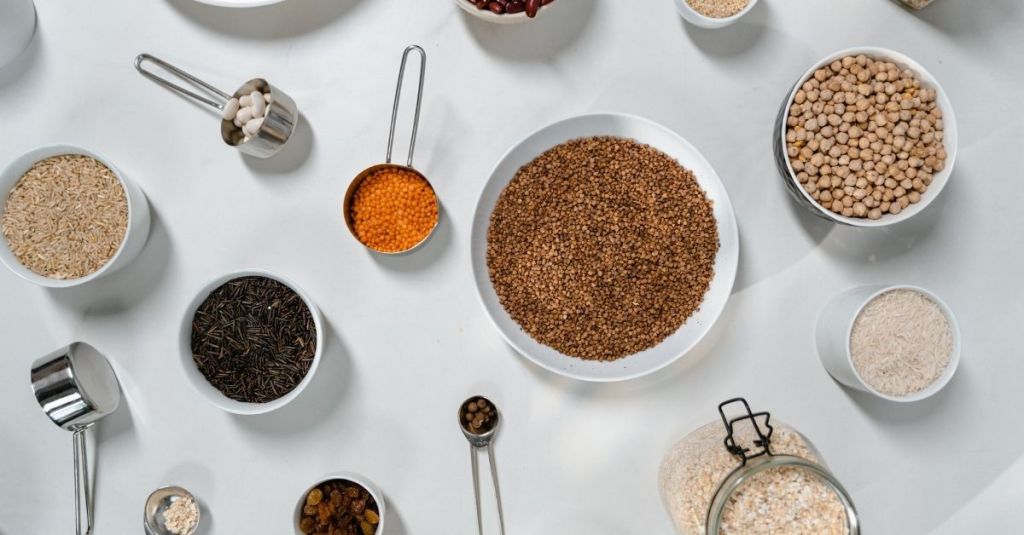
A variety of measuring tools arranged with grains, spices, and legumes, showcasing versatility in ingredient preparation. 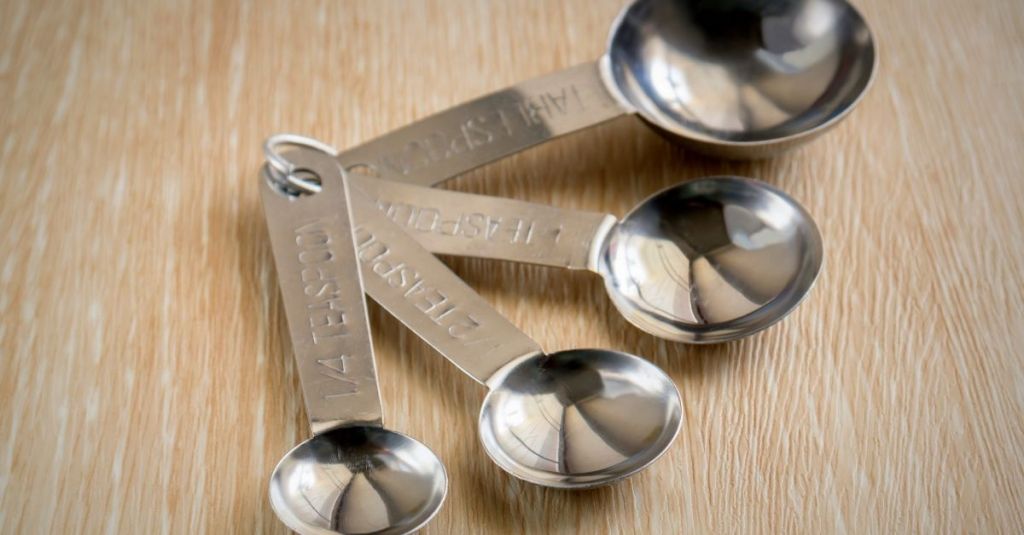
A set of stainless steel measuring spoons, ideal for small, precise measurements like spices and baking ingredients. 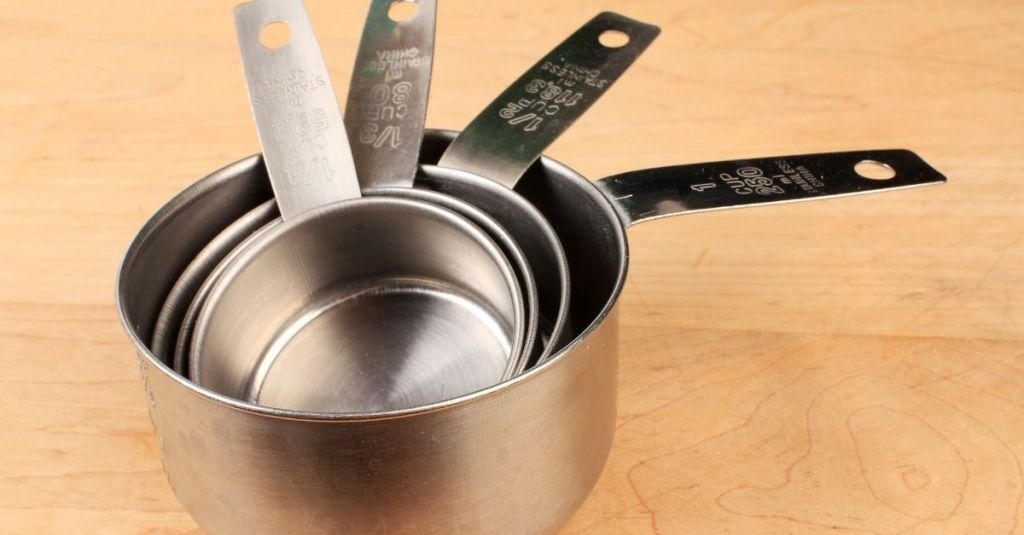
A durable set of stainless steel measuring cups, a staple for precise measurements in both cooking and baking. 
A liquid measuring cup with a hand mixer blending ingredients, perfect for accurate liquid measurements and smooth mixing. 
A digital kitchen scale accurately measuring the weight of a ripe tomato, essential for precision in cooking.
Essential Measuring Tools for Every Kitchen
Measuring Cups and Spoons
- Measuring Cups: Measuring cups are commonly used for dry ingredients such as flour, sugar, and oats. They typically come in sets with various sizes, ranging from ¼ cup to 1 cup, allowing for precise measurements tailored to different recipes. In addition, this variety provides the flexibility needed to accommodate a wide range of culinary tasks, ensuring consistent and accurate results.
- Types: Dry measuring cups have a flat rim for accurate leveling. Liquid measuring cups have a spout for easy pouring and markings on the side for accurate measurement.
- Technique: To measure dry ingredients, spoon the ingredient into the cup until it overflows slightly. Then, use a straight edge, like a knife or the back of a spoon, to level off the excess. For liquid ingredients, place the measuring cup on a flat surface and check the measurement at eye level.
- Measuring Spoons: These spoons are essential for measuring smaller quantities of dry or liquid ingredients. Measuring spoons typically come in sets with ¼ teaspoon, ½ teaspoon, 1 teaspoon, and 1 tablespoon.
- Technique: For dry ingredients, dip the spoon into the ingredient and level off the excess with a straight edge. For liquid ingredients, pour the liquid into the spoon until it reaches the brim.
Advanced Measuring Tools for Precision
- Liquid Measuring Cup: These cups are designed specifically for measuring liquids. They have a spout for easy pouring. Markings on the side allow for accurate measurement. They typically range in size from 1 cup to 4 cups or more.
- Technique: Place the measuring cup on a flat surface and check the measurement at eye level for accuracy. When working with viscous liquids like honey or syrup, coat the measuring cup lightly with cooking spray beforehand to prevent sticking and ensure easier pouring.
- Kitchen Scale: For the ultimate precision, especially in baking, a kitchen scale measures ingredients by weight. This is particularly useful for ingredients like flour, which can vary in weight depending on how it is packed.
- Types: Digital scales are easy to read and offer precise measurements. Mechanical scales are less common but can be useful for basic weighing tasks.
- Features: Look for a scale with a tare function. This feature allows you to zero out the weight of the container before adding ingredients. Some scales also offer unit conversions (grams to ounces, etc.) and other helpful features.
Mixing Bowls: Where Culinary Magic Happens
Mixing bowls are the unsung heroes of the kitchen. Not only do they provide the space for ingredients to mingle and transform into culinary delights, but they also serve as essential tools for various tasks. For example, whisking eggs requires a mixing bowl to ensure a smooth and even texture.Tossing a salad also benefits from having the right bowl. Furthermore, kneading dough demands a suitable mixing bowl. Having a variety of bowls in different sizes and materials will ensure you’re prepared for any task.


- Stainless Steel: Durable, lightweight, and easy to clean, stainless steel bowls are a kitchen staple. They are non-reactive, so they won’t affect the flavor of your food. They can also withstand high heat. This makes them ideal for tasks like melting chocolate over a double boiler.
- Features: Look for bowls with a non-slip base for stability while mixing. Some stainless steel bowls also have pour spouts for easy transferring of liquids.
- Glass: Ideal for tasks involving heat or acidic ingredients, glass bowls are non-reactive and microwave-safe. They are also aesthetically pleasing and can be used for serving.
- Caution: Handle glass bowls with care to avoid breakage. Avoid subjecting them to sudden temperature changes, which can cause them to crack.
- Ceramic: Adding a touch of style to your kitchen, ceramic bowls are great for serving and storing food. They are often microwave and dishwasher-safe, but check the manufacturer’s instructions to be sure.
- Features: Choose ceramic bowls that are chip-resistant and durable. Some ceramic bowls are also oven-safe, making them versatile for baking and serving.
Choosing Your Bowls
- Size: To ensure versatility in your kitchen, invest in a set with various sizes to accommodate different recipes and tasks. For instance, a set of three bowls (small, medium, and large) is an excellent starting point, offering flexibility for everything from whisking a single egg to mixing a large batch of dough.
- Shape: Wide, shallow bowls are ideal for whisking and mixing. Deeper bowls are better for kneading dough and tossing salads.
- Nesting: Nesting bowls save valuable storage space. Therefore, look for sets that nest together compactly.
Pots and Pans: Your Culinary Playground
Pots and pans are truly the workhorses of your stovetop. Not only do they allow you to simmer, sauté, sear, and braise your way to culinary perfection, but they also provide the foundation for a wide range of cooking techniques. Therefore, building a collection of versatile and durable pots and pans will equip you to handle any cooking challenge with confidence.
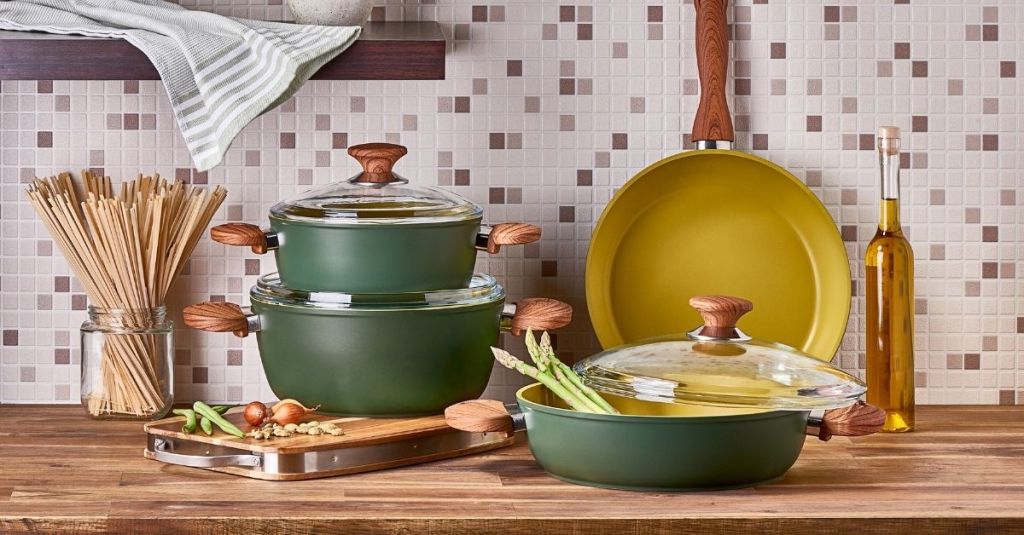




Essential Types of Pots and Pans
- Frying Pan: This versatile pan is your go-to for everyday cooking, from frying eggs to sautéing vegetables and searing steaks.
- Size: Choose a size that fits your needs and stovetop. An 8-inch pan is good for individual servings, while a 12-inch pan is better for family-sized meals.
- Material: Stainless steel, cast iron, and non-stick are popular choices, each offering unique advantages. Stainless steel is both durable and versatile, making it suitable for a wide range of cooking tasks. Cast iron excels at heat retention and is perfect for searing. On the other hand, non-stick surfaces are ideal for delicate foods like eggs and fish, ensuring they cook evenly without sticking.
- Saucepan: Perfect for making sauces, soups, and boiling liquids, a saucepan with a lid is essential.
- Size: Choose a size that suits your needs, ranging from small saucepans for melting butter to larger ones for making soup. In fact, for most tasks, a 2-quart saucepan serves as a versatile and practical all-purpose option.
- Material: Stainless steel is a popular choice for its durability and versatility. Copper saucepans offer excellent heat conductivity but require more care.
Larger Pots for Big Meals and Consistency
- Stockpot: This large pot is ideal for making big batches of soup, stock, or pasta. It’s also useful for boiling water for blanching vegetables or cooking seafood.
- Size: A 6-quart stockpot is a good starting point for most home cooks. Larger sizes are available for those who frequently cook for large groups.
- Features: Look for a stockpot with sturdy handles for easy lifting and pouring. Additionally, a thick base will ensure even heat distribution and prevent scorching, making it an essential feature for consistent cooking.
Expanding Your Collection: Versatile Cookware for Every Task
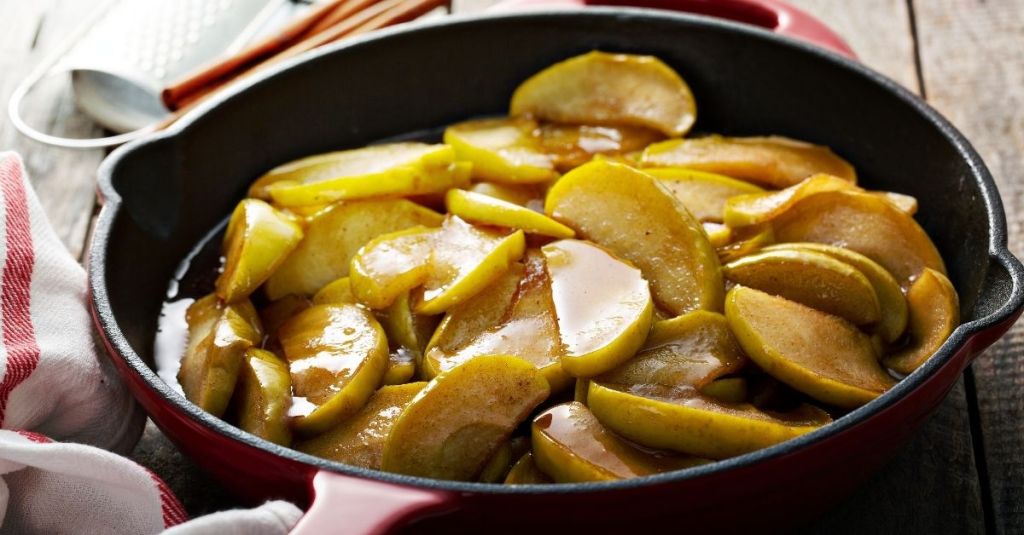
- Cast Iron Skillet: The skillet is renowned for its heat retention. It is also valued for its searing capabilities. A cast iron skillet is a worthwhile investment for any serious cook. Not only is it versatile, but it can also be used on the stovetop, in the oven, or even over a campfire, making it an indispensable tool in any kitchen.
- Care: Season your cast iron skillet regularly to maintain its non-stick surface and prevent rust. To season, coat the skillet with a thin layer of oil. Heat it in the oven until the oil polymerizes.
Dutch Oven and Wok: Essential for Slow-Cooking and Stir-Frying
- Dutch Oven: This versatile pot can be used on the stovetop or in the oven. It is perfect for braising, stewing, and baking. It’s also great for slow-cooking and deep-frying.
- Features: Choose a Dutch oven with a tight-fitting lid to trap moisture and flavor. Enameled cast iron Dutch ovens are easy to clean and maintain.
- Wok: Designed for stir-frying, a wok’s sloped sides allow for quick and even cooking. The high heat and constant movement of ingredients create the signature “wok hei” flavor that is characteristic of stir-fries.
- Material: Carbon steel woks are traditional and offer excellent heat conductivity. Cast iron woks are also a good option, but they are heavier.
- Technique: Use high heat and keep the ingredients moving constantly for the best results. Moreover, a wok spatula or a pair of long chopsticks are excellent tools for stir-frying, helping you achieve even cooking and better control over the dish.
- Saute Pan: A saute pan is a versatile pan with straight sides. It has a large surface area, making it ideal for searing, sauteing, and braising. It’s also great for making pan sauces.
- Size: Choose a size that suits your needs. A 3-quart saute pan is a good all-purpose size.
- Lid: A lid is helpful for braising and steaming.
- Griddle Pan: A griddle pan has a flat cooking surface with raised ridges. As a result, this design makes it ideal for cooking pancakes, burgers, and grilled cheese sandwiches. The ridges not only create attractive grill marks but also allow fat to drain away from the food, resulting in a healthier dish.
- Material: Cast iron and aluminum are popular materials for griddle pans.
Choosing Your Cookware
- Material: Consider the pros and cons of each material. Specifically, stainless steel is durable and versatile, cast iron excels at heat retention, and non-stick is ideal for delicate foods.
- Construction: Look for cookware with a heavy bottom for even heat distribution and durability. Riveted handles are more secure than welded handles.
- Handles: Choose handles that are comfortable to grip and oven-safe if needed. Silicone or wood handles stay cool to the touch.
- Compatibility: Make sure your cookware is compatible with your stovetop. Induction cooktops require cookware with a magnetic base.
Cooking Utensils: Your Culinary Sidekicks
Cooking utensils play a crucial role in your kitchen. In fact, they assist in every step of the cooking process, from stirring and flipping to serving and tasting. By having a variety of utensils, you can make your cooking experience more efficient and enjoyable.



Wooden Spoons: A Kitchen Classic
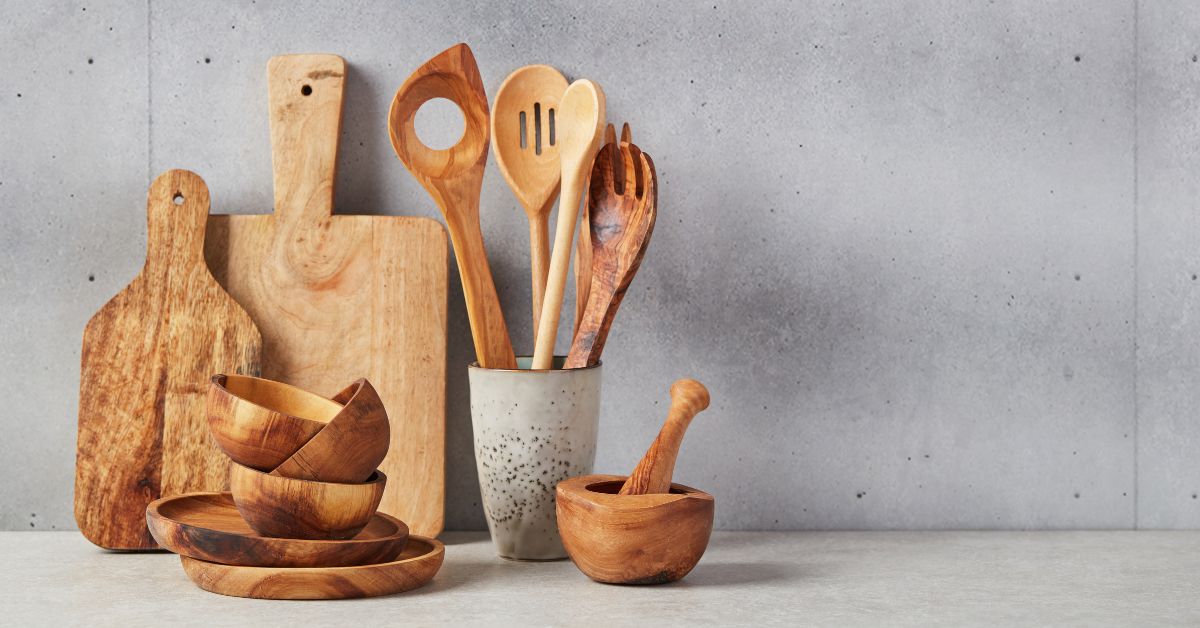
Gentle on your cookware and ideal for stirring sauces and soups, wooden spoons are a kitchen classic. They won’t scratch your pots and pans, and they don’t conduct heat, so they stay cool to the touch.
- Types of Wood: Choose hardwoods like beechwood, maple, or olivewood for durability and resistance to moisture.
- Care: Avoid leaving wooden spoons soaking in water, as this can cause them to crack. Hand wash and dry them immediately after use.
Spatulas: Versatile and Essential
A versatile tool with a broad, flat blade. A spatula is used for flipping pancakes, burgers, and fish. It is also useful for scraping bowls and pans.
- Types: Flexible spatulas are good for flipping delicate foods, while sturdy spatulas are better for heavier items. Offset spatulas are helpful for frosting cakes and spreading batter.
- Material: Silicone spatulas are heat-resistant and safe for non-stick cookware. Stainless steel spatulas are durable and can be used for high-heat tasks.
Ladles and Tongs: Serving and Cooking Essentials
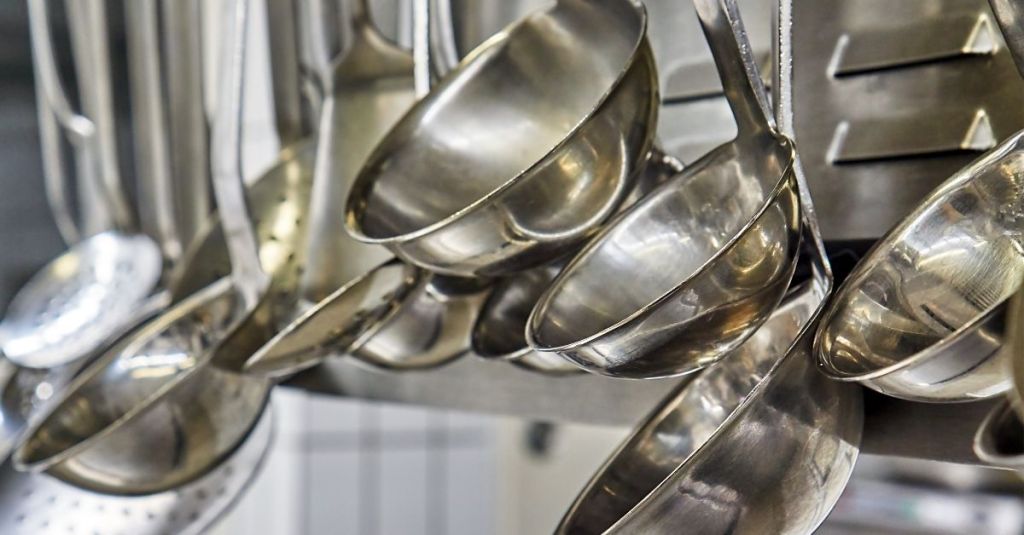
- Ladle: A ladle is essential for serving soups, stews, and sauces. It has a deep bowl and a long handle for easy scooping and pouring.
- Size: Choose a ladle size that suits your needs. A 1-cup ladle is a good all-purpose size.
- Material: Stainless steel ladles are durable and easy to clean.
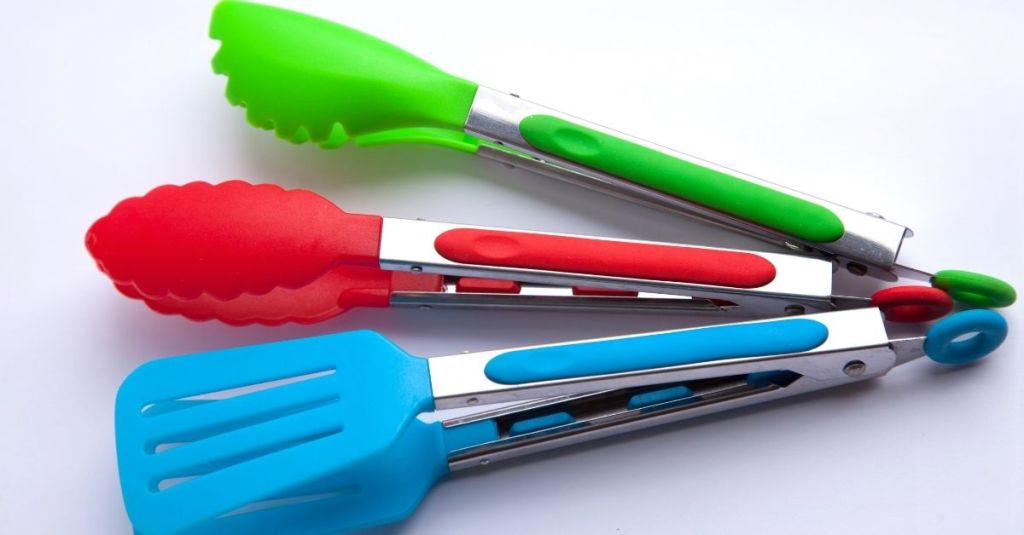
- Tongs: Perfect for grilling, turning meat, and serving salads, tongs offer a secure grip and precise control.
- Types: Locking tongs are convenient for storage. Scalloped tongs offer a better grip on food.
- Material: Stainless steel tongs are durable and heat-resistant. Silicone-tipped tongs are gentle on non-stick cookware.
- Whisk: Used for whisking eggs, sauces, and dressings, a whisk incorporates air into mixtures and creates a smooth consistency.
- Types: Balloon whisks are ideal for whipping cream and egg whites. Flat whisks are good for sauces and gravies. French whisks are versatile and good for general whisking tasks.
- Material: Stainless steel whisks are durable and easy to clean.
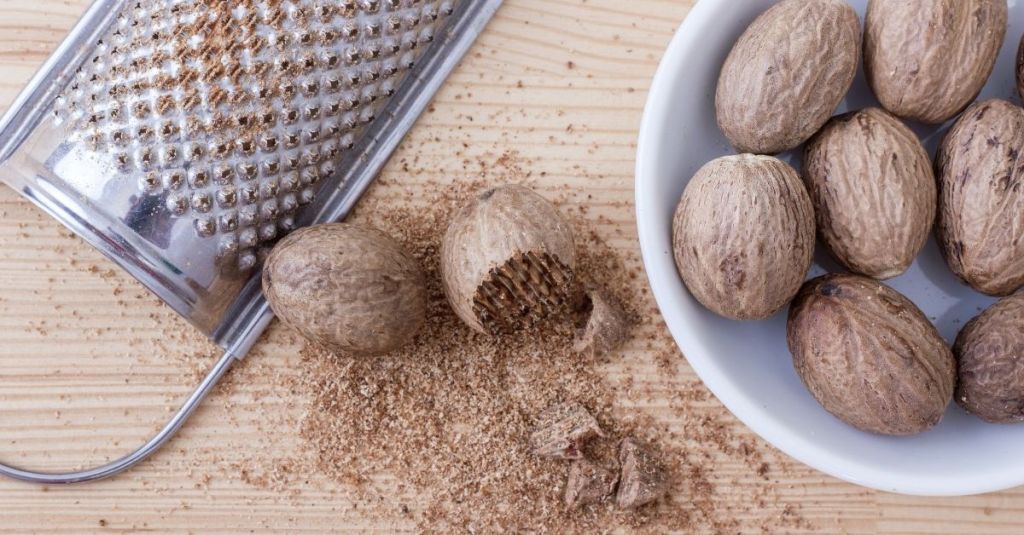
- Grater: Used for grating cheese, vegetables, and chocolate. Box graters offer a variety of grating options.
Beyond the Basics





- Slotted Spoon: Used for draining liquids from foods like pasta and vegetables.
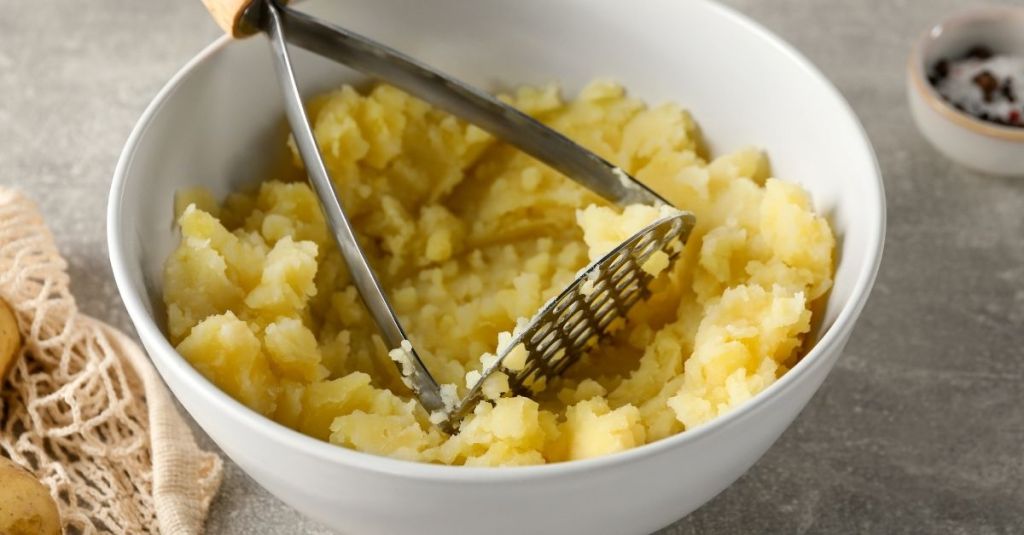
- Potato Masher: Used for mashing potatoes and other root vegetables.
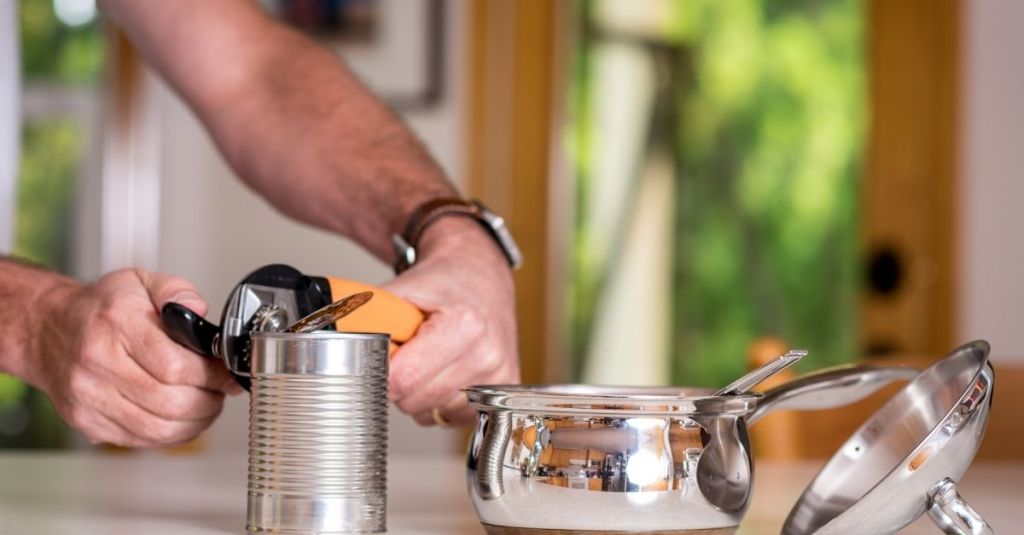
- Can Opener: Essential for opening cans of food. Choose a sturdy can opener with a comfortable grip.
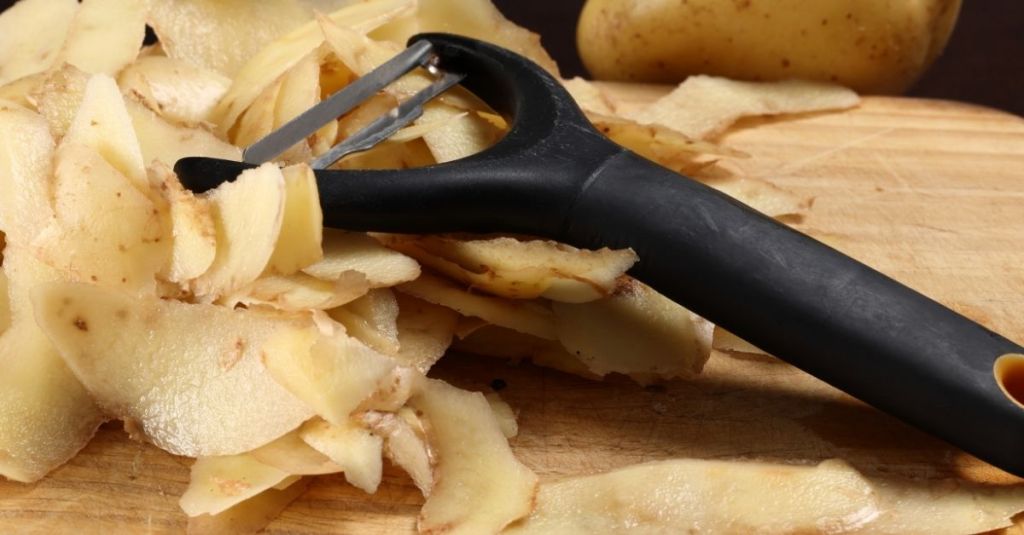
- Vegetable Peeler: Used for peeling fruits and vegetables. Y-shaped peelers are versatile and easy to use.
- Kitchen Shears: Used for snipping herbs, cutting poultry, and opening packages. Choose shears that can be disassembled for easy cleaning.
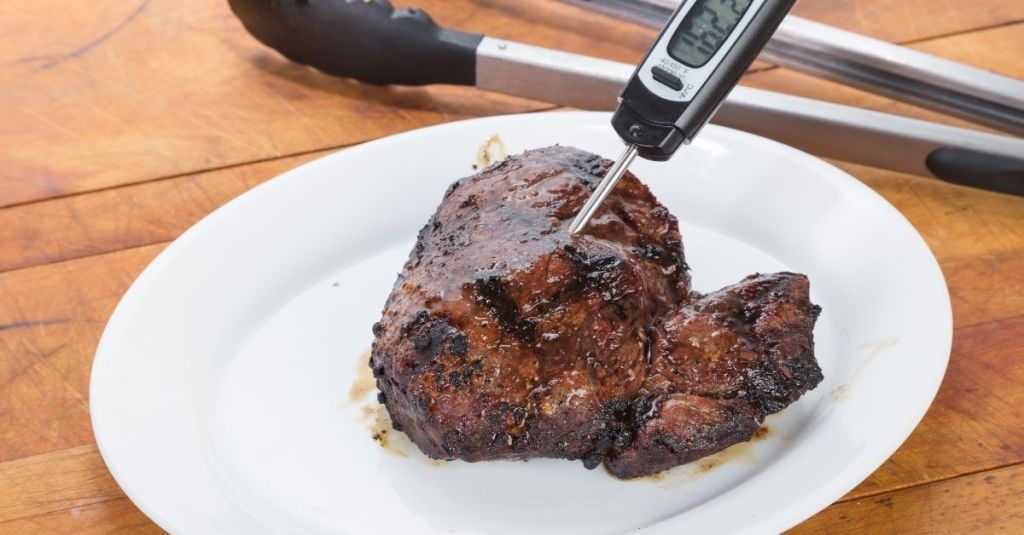
- Meat Thermometer: Essential for ensuring that meat is cooked to a safe internal temperature. Digital thermometers are accurate and easy to read.
- Citrus Juicer: Used for juicing lemons, limes, and oranges.
- Garlic Press: Used for crushing garlic cloves.
- Rolling Pin: Used for rolling out dough.
- Pastry Brush: Used for brushing pastries with egg wash or glaze.
Choosing Your Utensils
- Material: Choose utensils made from durable, heat-resistant materials like stainless steel, silicone, or nylon. Avoid utensils with painted handles, as the paint can chip and flake.
- Comfort: Select utensils with comfortable handles that provide a good grip. Ergonomic handles can reduce hand fatigue.
- Purpose: Consider the specific tasks you’ll be using the utensils for. Choose specialized utensils for tasks like whisking, mashing, and grating.
Expanding Your Culinary Horizons: Appliances and Gadgets
While not strictly essential, these appliances and gadgets can significantly enhance your cooking experience and open up new culinary possibilities.
Essential for Blending and Chopping
- Immersion Blender: This handheld blender is perfect for pureeing soups and sauces directly in the pot. It eliminates the need to transfer hot liquids to a blender.
- Features: Look for a model with variable speed settings and attachments for different tasks, such as whisking and chopping.

- Food Processor: A food processor is a powerful tool that can chop, slice, shred, and puree food quickly, making it a great time-saver in the kitchen.
- Capacity: When selecting a food processor, choose a size that suits your needs. Generally, a smaller model is sufficient for most tasks; however, a larger one is helpful for processing large batches of food.
- Features: Additionally, look for a model with various attachments for different tasks. These may include options such as a dough blade, slicing disc, and shredding disc.

Perfect for Baking and Slow Cooking
- Stand Mixer: Ideal for baking enthusiasts. A stand mixer can handle heavy-duty tasks like kneading dough, making batters, and whipping cream.
- Capacity: Choose a size that suits your needs. A 4.5-quart mixer is a good starting point for most home bakers.
- Attachments: Stand mixers often include various attachments for different tasks. These can include pasta makers, meat grinders, and ice cream makers.

- Slow Cooker: Perfect for busy cooks, the slow cooker allows you to cook food slowly over a long period, which results in tender and flavorful dishes. Moreover, it’s ideal for preparing stews, roasts, and even desserts.
- Size: When selecting a slow cooker, choose a size that best suits your needs. For most families, a 6-quart slow cooker is an excellent starting point.ws, roasts, and even desserts.
- Features: Look for a model with programmable settings and a timer. Some slow cookers also have features like a warming function and a removable stoneware insert for easy cleaning.

Modern Multi-Taskers
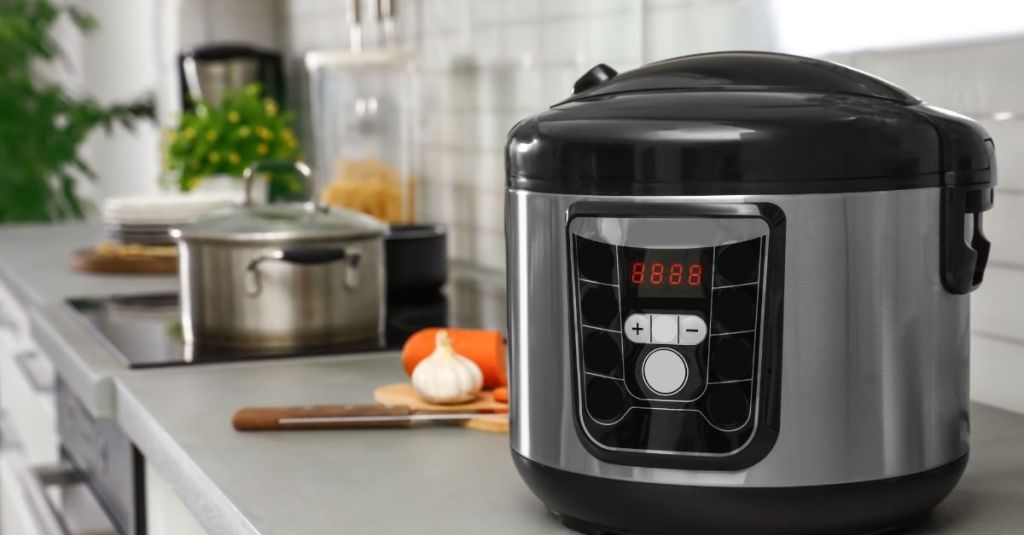
- Instant Pot: This is a multi-functional appliance. It combines pressure cooking, slow cooking, rice cooking, and more. An Instant Pot is a versatile addition to any kitchen. It can significantly reduce cooking times and make complex dishes more approachable.
- Size: Choose a size that suits your needs. A 6-quart Instant Pot is a good starting point for most families.
- Features: Look for a model with various cooking functions and safety features. Some Instant Pots also have features like a yogurt maker and a cake baker.
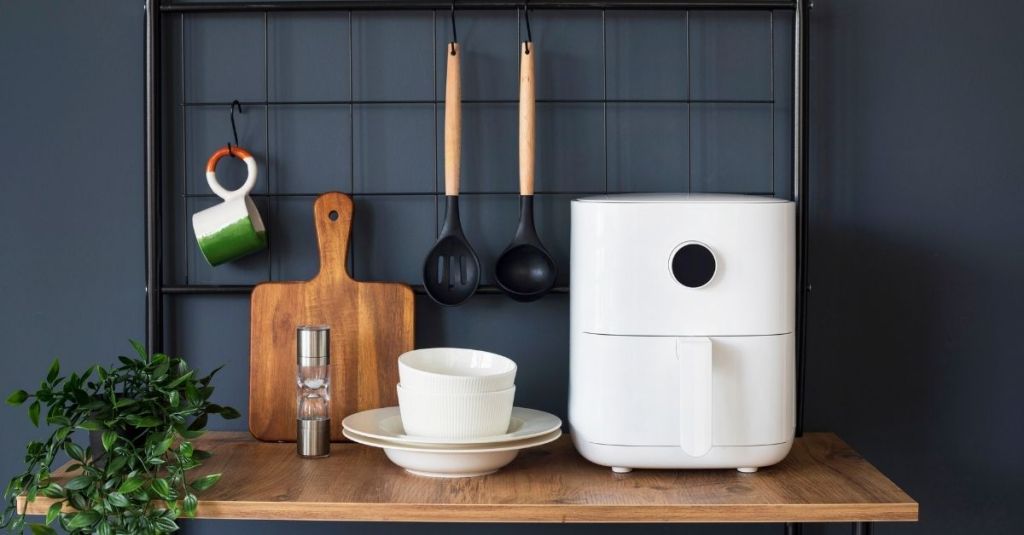
- Air Fryer: An air fryer uses hot air to cook food, resulting in crispy results with little to no oil. It’s great for cooking French fries, chicken wings, and other fried foods in a healthier way.
- Size: Choose a size that suits your needs. A smaller air fryer is sufficient for individuals or couples, while a larger one is better for families.
- Features: Look for a model with adjustable temperature and timer settings. Some air fryers also have features like a rotisserie function and a dehydrator.
The All-in-One Kitchen Powerhouse
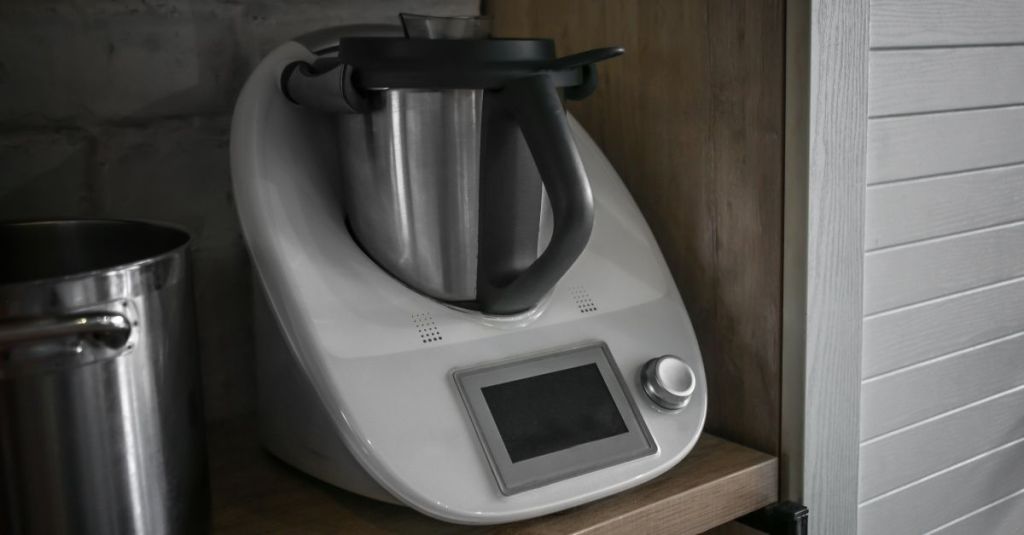
Thermomix: This all-in-one kitchen appliance is truly a powerhouse. Not only does it combine the functions of over 20 different appliances, but it also includes everything from a blender and food processor to a steamer and scale. Additionally, it streamlines cooking by automating tasks like chopping, mixing, kneading, and cooking, which makes it a favorite for both busy cooks and culinary enthusiasts alike.
- Size: The Thermomix comes in one standard size, designed to fit comfortably on your countertop. Although compact, its design belies an impressive range of functionality.
- Features: The Thermomix boasts a wide array of features, including:
- Guided Cooking: Follow step-by-step recipes on the built-in screen, making even complex dishes approachable for beginners.
- Precise Temperature Control: Cook with accuracy, whether you need gentle simmering or high-heat searing.
- Built-in Scale: Weigh ingredients directly in the mixing bowl for precise measurements.
- Multiple Cooking Modes: Steam, blend, chop, knead, emulsify, and more—all in one appliance.
- Connectivity: Access thousands of recipes online and control the Thermomix remotely with your smartphone or tablet.
- Pro Tip: While the Thermomix comes with a hefty price tag, its versatility is unmatched. It offers convenience that can be a game-changer for those who value efficiency. This is perfect for those who enjoy exploring new culinary techniques.
Choosing Your Appliances and Gadgets
- Needs: Consider your cooking habits and the types of dishes you frequently prepare. If you love baking, a stand mixer might be a worthwhile investment. If you’re always on the go, a slow cooker or Instant Pot could be a lifesaver.
- Space: Evaluate your kitchen space and storage options. Some appliances, like stand mixers and food processors, can be bulky.
- Budget: Set a budget and prioritize the appliances and gadgets that will be most useful to you. Remember that quality appliances can last for many years, so they are often worth the investment.
Kitchen Textiles: The Unsung Heroes of Cleanliness and Comfort
While often overlooked, kitchen textiles play a crucial role in maintaining a clean and efficient workspace. From absorbing spills to protecting your hands, these humble helpers are essential for any well-equipped kitchen.

Rustic-style dishcloths with red and white patterns, perfect for kitchen cleaning. 
Classic red and white checkered dish towels for kitchen use. 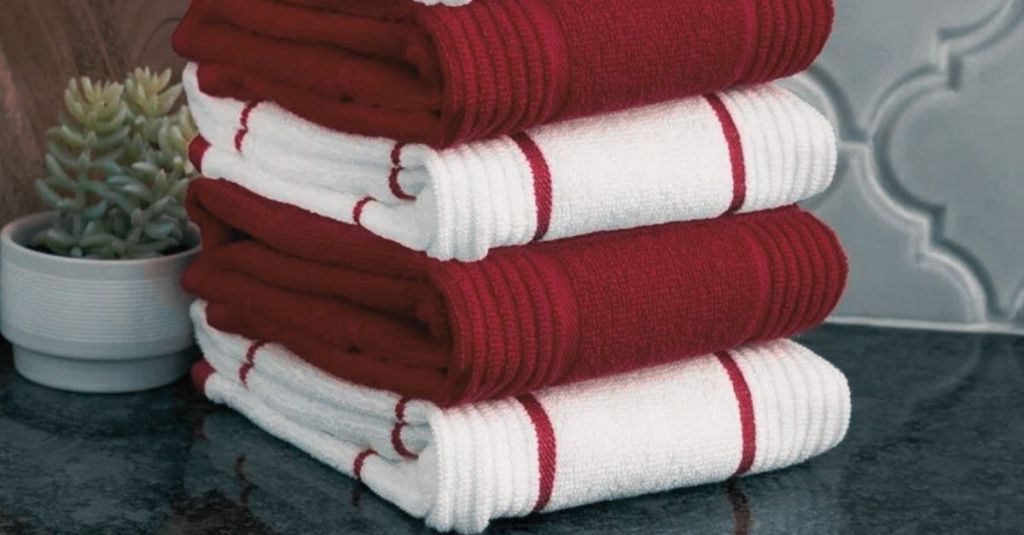
Absorbent hand towels to keep your kitchen and dining area clean 
Red oven mitts next to a baking tray filled with freshly baked goods, emphasizing safety when handling hot items.
- Dishcloths: These absorbent cloths are your workhorses for wiping down countertops, cleaning spills, and drying dishes.
- Material: Choose dishcloths made from absorbent materials like cotton, linen, or microfiber. Avoid using sponges, as they can harbor bacteria.
- Care: Wash dishcloths frequently in hot water to prevent bacterial growth.
- Dish Towels: These larger towels are ideal for drying dishes, hands, and countertops. They can also be used to cover rising dough or line baking sheets.
- Material: Choose dish towels made from absorbent materials like cotton or linen. Waffle-weave towels are particularly absorbent.
- Care: Wash dish towels frequently in hot water to prevent bacterial growth.
- Hand Towels: Keep a dedicated hand towel near the sink for drying hands after washing. This will help to prevent cross-contamination and keep your kitchen hygienic.
- Material: Choose hand towels made from absorbent materials like cotton or linen.
- Care: Wash hand towels frequently in hot water to prevent bacterial growth.
- Oven Mitts and Pot Holders: Protect your hands from burns when handling hot pots and pans.
- Material: Choose oven mitts and pot holders made from heat-resistant materials like silicone or quilted cotton.
- Care: Wash oven mitts and pot holders according to the manufacturer’s instructions.
Bringing It All Together: Your Essential Kitchen Toolkit
This comprehensive guide offers a solid foundation, equipping your kitchen with the essential tools you need. With these tools in hand, you’ll be well on your way to becoming a confident and successful home chef. Remember to invest in quality tools, especially the top kitchen utensils, that will last for years to come.
Ultimately, embrace the journey and take pleasure in exploring new culinary creations within the comfort of your own kitchen. By continually refining your collection of top kitchen utensils, you’ll be prepared for any cooking challenge that comes your way. Whether you’re a beginner or a seasoned pro, these tools will be your trusted companions in creating delicious meals and elevating your culinary skills.