
A Guide to This Timeless Coffee Classic
Exploring cappuccino history and how to make it has become a passion for coffee lovers everywhere. From its humble Italian origins to becoming a beloved café classic worldwide, cappuccino’s story is as rich as its flavor. Join us as we explore cappuccino’s journey and share tips on crafting this iconic drink in your own kitchen.

Let’s explore what makes a cappuccino so special. We will look at how to make a cappuccino, even without a fancy machine. Lastly, we’ll discuss the journey that took this coffee icon from small Italian cafes to coffee shops everywhere.
The Fascinating History of Cappuccino and How It Became a Global Icon
It all begins with the Capuchin friars, a Catholic order in Italy known for their brown, hooded robes. The cappuccino takes its name from these monks. Its warm, creamy color reminded Italians of the Capuchin robes. “Cappuccio” means “hood” in Italian, and thus, cappuccino was born.
To truly appreciate the history of cappuccino, we need to understand Italy’s rich coffee culture. We also need to explore the invention of espresso, which laid the foundation for this beloved drink.
Yet, this wasn’t quite the cappuccino we know today. The drink’s ancestor, called “Kapuziner,” originated in 17th-century Vienna, where it was prepared with coffee, cream, and spices. It wasn’t until the early 20th century in Italy that cappuccino as we know it started to emerge. This development coincided with the invention of the espresso machine. Italian baristas perfected the art of creating a rich, intense espresso. They combined it with steamed milk and frothy foam, leading to the cappuccino’s iconic 1:1:1 ratio.
What Is Cappuccino Made Of?
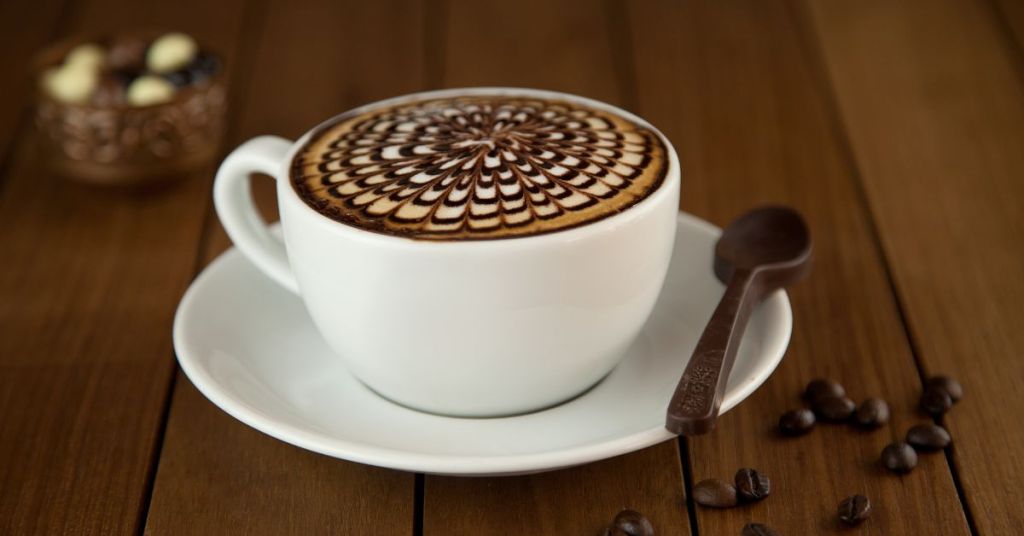
The heart of cappuccino lies in its simplicity. It consists of espresso, steamed milk, and milk foam. Each component is essential to achieving the perfect harmony of taste and texture.
- Espresso: This dark, aromatic base is the soul of every cappuccino. Espresso is made by forcing hot water through finely ground coffee beans. It is rich and bold, forming the backbone of the drink.
- Steamed Milk: Heated to a creamy, smooth texture, steamed milk tempers the espresso’s strength, creating a balance of flavors.
- Foam: A hallmark of cappuccino, the milk foam adds both texture and visual appeal. The froth is airy and light, adding just the right contrast to the dense espresso.

In classic Italian coffee culture, the cappuccino’s 1:1:1 ratio is what sets it apart from other coffee drinks. As cappuccino spread around the world, creative variations emerged. There are vegan cappuccinos made with almond milk. Sweetened options, like French vanilla cappuccino, also became popular.
Cappuccino History and How to Make It at Home
From its Italian origins to your own kitchen, cappuccino has a rich background and is surprisingly simple to prepare. Here, we’ll guide you through the essentials of cappuccino history. We’ll show you how to make it with authentic ingredients and techniques. This will allow you to savor this timeless coffee drink from home.
Making a cappuccino at home can seem intimidating. However, with a bit of technique and the right tools, you can create a café-quality cappuccino in your kitchen.
- Start with Espresso: Brew a shot of espresso. If you don’t have an espresso machine, a Moka pot can work in a pinch. Even a strong shot of coffee can be a good alternative.
- Steam and Froth the Milk: If you’re using an espresso machine, steam the milk until it reaches a creamy texture. Then let it settle. To make cappuccino foam without a machine, heat milk on the stove. Use a handheld frother or a whisk to create foam.
- Pour and Layer: Pour the steamed milk over the espresso, then top with the foam. For a perfect cappuccino, aim for equal parts espresso, steamed milk, and foam.
You can customize this method to suit your taste. For instance, try experimenting with different types of milk for a personalized cappuccino at home. Specifically, you can choose almond milk for a vegan cappuccino or enjoy a touch of French vanilla flavor. Ultimately, making cappuccino at home opens up a world of possibilities.
Italian Coffee Culture: The Origins of Cappuccino History
After World War II, people began spreading cappuccino beyond Italy, thanks to an increased interest in Italian coffee culture. American soldiers brought home a taste for espresso-based drinks, and as a result, people in the United States quickly followed cappuccino. Furthermore, by the 1980s, upscale coffee shops across the U.S. and Europe commonly featured cappuccino. International coffee chains like Starbucks eventually made it a global phenomenon.
Each country put its own twist on cappuccino. In Australia, coffee lovers favored the “flat white,” a drink similar to cappuccino but with a thinner layer of microfoam. In Japan, baristas added a distinctly Japanese flavor to the classic with matcha cappuccinos. Consequently, the world embraced cappuccino, with each region making it uniquely their own. Nevertheless, they all pay homage to its Italian roots.
Cappuccino vs. Latte: Understanding Coffee’s Classics
With so many espresso-based drinks on café menus, it’s easy to get confused. Cappuccino, latte, macchiato, and flat white all start with espresso, but each differs in its milk-to-foam ratio and texture.
- Latte: A latte has more steamed milk and just a thin layer of foam. This makes it creamier and milder than a cappuccino.
- Macchiato: Translating to “marked” in Italian, a macchiato is an espresso “marked” with a touch of foam or milk. It’s a bolder choice, perfect for those who like their coffee strong.
- Flat White: Popular in Australia, a flat white is similar to cappuccino. However, it has a thinner, smoother layer of foam. This highlights the espresso’s intensity without as much froth.
Each of these drinks offers a unique experience. However, the 1:1:1 cappuccino ratio creates a perfect balance. This balance stands out, especially for those who savor the combination of espresso and milk foam.
Fun Facts About Cappuccino You Probably Didn’t Know
These fun facts about cappuccino history and how to make it can deepen your appreciation for this drink.
- Named After Monks: Yes, people named cappuccino after the Capuchin friars, whose brown robes inspired the drink’s color.
- Cappuccino Competitions: Making cappuccino has become an art form, with international competitions celebrating the craft of baristas. These contests focus on technical skill, creativity, and, of course, the perfect froth.
- A Morning Ritual in Italy: In Italian coffee culture, cappuccino is typically considered a breakfast drink. People rarely order it after 11 a.m. Locals believe that people should enjoy milk-heavy drinks in the morning, often alongside a cornetto, an Italian pastry.
Cappuccino helped shape the café culture we know today. It inspired a variety of espresso-based drinks. This made coffee an experience rather than just a caffeine fix.
Savoring Every Sip of a Cappuccino
Cappuccino history and how to make it are topics that continue to capture the world’s attention, showing that some traditions are timeless.

In a world of ever-evolving coffee trends, the cappuccino remains a timeless favorite. Its rich history, combined with the perfect balance of ingredients, continues to captivate coffee lovers around the world. Furthermore, its classic appeal ensures that it remains beloved by many. Whether you’re ordering one at your favorite café or making a cappuccino at home, each sip is a tribute. It honors Italian craftsmanship. It serves as a reminder of coffee’s universal appeal.
So next time you ask yourself, “What is cappuccino, really?”—remember, it’s more than just coffee. It’s a journey, a ritual, and a moment of warmth and flavor. Embrace the experience, enjoy the foam, and, as the Italians might say, buon cappuccino!
Cappuccino isn’t the only beloved non-alcoholic drink with a rich history. For more ideas and inspiration, check out our post on delicious non-alcoholic beverages. These drinks can elevate your coffee breaks and gatherings alike.