

Mastering a sourdough bread recipe is a journey filled with both excitement and challenges, especially when you’re exploring the world of sourdough for beginners. It all starts with a reliable sourdough starter guide or a well-detailed natural yeast starter tutorial, which lays the foundation for every loaf. For me, this journey has been more of an uphill climb. My first attempt, using a homemade starter I named “Maui” after the place where I got married, failed because I didn’t trust the process. I tried again with a store-bought starter, following simple sourdough tips for first-time bakers, but once more, the perfect loaf eluded me.
Now, I’m ready to try again—this time with patience and determination—and I invite you to join me. Together, we’ll explore the steps outlined in a sourdough starter guide, learning how to build a starter, troubleshoot issues, and bake loaves that reflect our shared efforts. Let’s embrace the art of sourdough, turning every failure into a flavorful step forward.
What Makes Sourdough Bread Recipe Special?
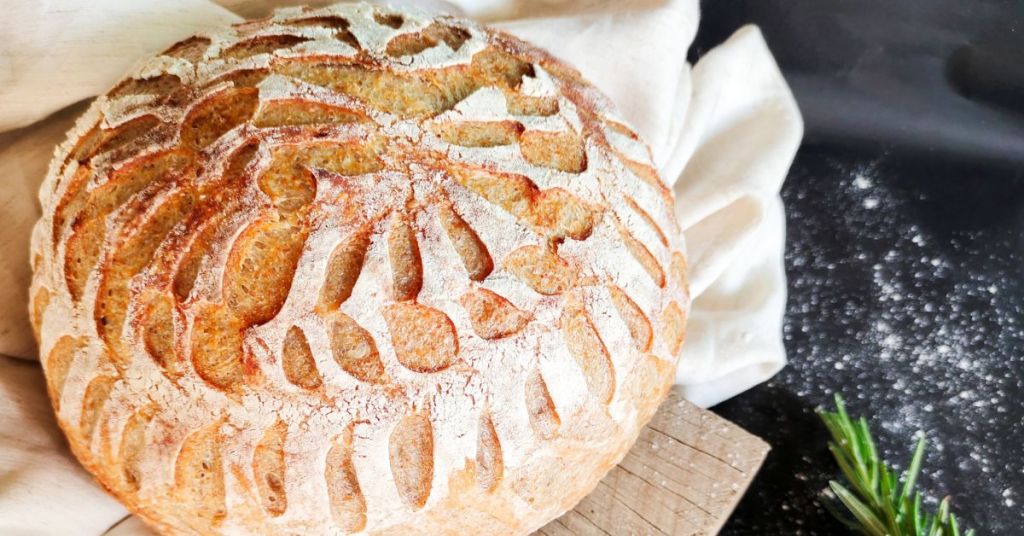
A sourdough bread recipe isn’t just another loaf—it’s a culinary tradition with roots that stretch back thousands of years. Unlike bread made with commercial yeast, a sourdough recipe relies on a natural yeast starter tutorial to harness wild yeast and bacteria, creating a process that transforms simple ingredients—flour, water, and salt—into something extraordinary.
The fermentation process is what truly sets sourdough apart, giving it a complex flavor profile and unique texture. Using a reliable sourdough starter guide, this slow, natural process develops the tangy, nutty notes that make sourdough so distinct. It also improves the bread’s digestibility, offering a healthier alternative to many store-bought options.
For beginners, learning about fermentation and its role in a sourdough bread recipe can be the first step toward creating a loaf that’s both delicious and nutritious. Following simple sourdough tips for first-time bakers ensures that even newcomers can appreciate the magic of this time-honored craft.
The Unique Flavor Profile of Sourdough Bread
The magic of a sourdough bread recipe lies in its flavor. Unlike bread made with commercial yeast, sourdough gets its tangy, complex taste from the natural fermentation of wild yeast and lactic acid bacteria nurtured through a reliable sourdough starter guide. This fermentation process, often detailed in a natural yeast starter tutorial, produces subtle sour notes balanced with a nutty richness, giving sourdough bread its unique and unmistakable character.

Whether you’re following simple sourdough tips for first-time bakers or you’re a seasoned artisan, enjoying a crusty loaf on its own or pairing it with a spread, the flavor profile of sourdough bread evolves with every bite. No two recipes are identical. Factors like the type of flour, fermentation time, and even the local climate—elements you’ll explore in any good sourdough starter guide—can influence the taste, making each loaf a personal and creative expression.
For those new to this baking journey, resources like a natural yeast starter tutorial are invaluable. They help demystify the process, showing how the careful cultivation of your starter directly impacts the depth and complexity of your bread’s flavor. This is why many sourdough for beginners emphasize starting with a healthy starter to achieve the best results.
By embracing these principles and perhaps even sharing your experiences with others using simple sourdough tips for first-time bakers, you not only learn the science behind the flavor but also how to manipulate it to suit your palate. This empowers you to create a sourdough bread recipe that’s truly your own, rich in flavor and crafted with care.
Health Benefits of Sourdough Bread
A well-crafted sourdough bread recipe offers more than just great taste; it comes with impressive health benefits. The natural fermentation process partially breaks down gluten, making sourdough easier to digest than many other breads. This is especially beneficial for individuals who are sensitive to gluten, though it’s not suitable for those with celiac disease.
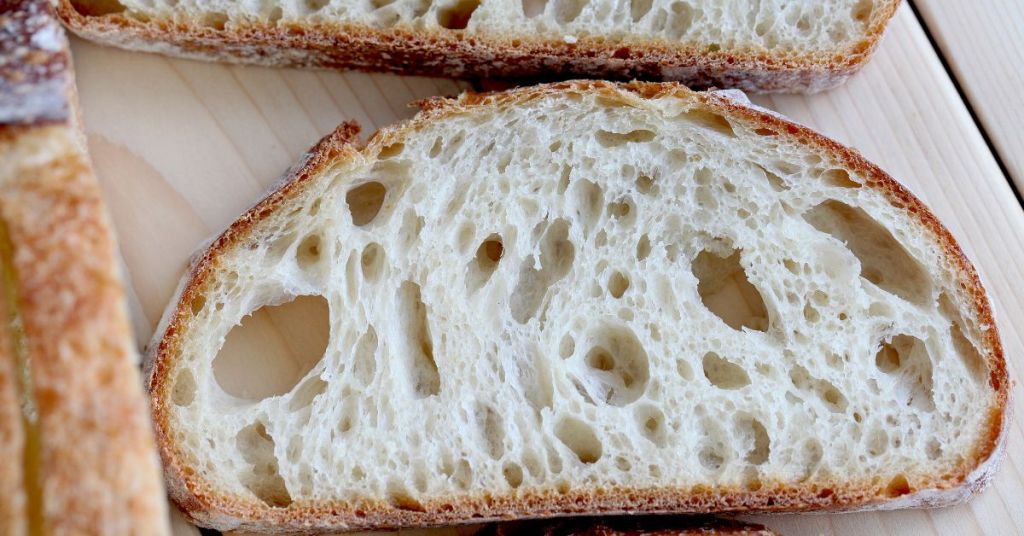
Additionally, sourdough fermentation increases the availability of beneficial nutrients, such as B vitamins, iron, and zinc, while reducing phytic acid, a compound that can hinder nutrient absorption. As a result, sourdough bread is often seen as a nutrient-rich choice for those seeking a healthier alternative to commercial breads.
For those concerned with blood sugar levels, sourdough also has a lower glycemic index, meaning it causes slower and more stable increases in blood sugar, making it an excellent option for people with diabetes or those looking to manage energy levels throughout the day.
The Sourdough Starter Guide
Every sourdough bread recipe begins with a vital element: the sourdough starter. This living mixture of flour and water is the heart of your bread, providing the natural yeast and bacteria necessary for fermentation. Understanding and creating your sourdough starter is the first step in mastering this artisanal craft.
What Is a Sourdough Starter?
A sourdough starter is a simple but essential blend of flour and water that, when left to ferment, captures wild yeast and beneficial bacteria from the environment. This living culture, often created with the help of a natural yeast starter tutorial, drives the fermentation process that gives sourdough bread its signature flavor, texture, and rise. Unlike commercial yeast, a sourdough starter develops naturally over time, requiring consistent care and feeding to thrive.
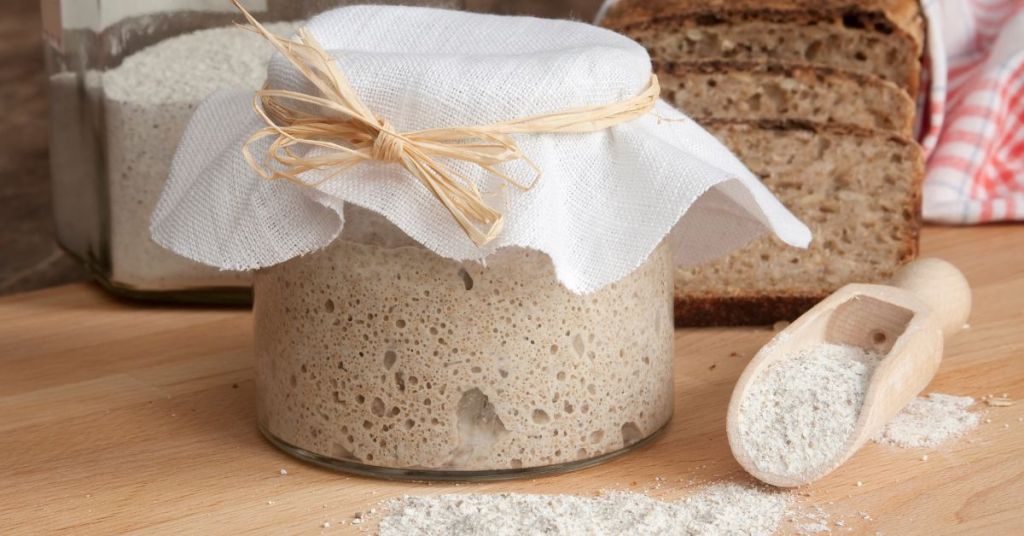
The starter is more than just an ingredient—it’s the foundation of every successful sourdough bread recipe. Its activity directly affects the crumb structure, tangy flavor, and overall quality of your loaf. Beginners often turn to a reliable sourdough starter guide for help in cultivating a healthy and active starter.
For those new to sourdough, mastering this step is key. Following simple sourdough tips for for beginners, such as feeding the starter regularly and keeping it in a warm environment, can make the process less intimidating. A well-maintained starter opens the door to endless possibilities, whether you’re crafting a classic loaf or exploring creative variations.
By understanding the role of the sourdough starter and taking the time to nurture it, you’ll gain the confidence to create loaves that reflect your unique journey as a baker. Let’s embrace this vital step together and transform flour and water into the soul of every loaf.
How to Make Your Own Sourdough Starter
Creating your own sourdough starter from scratch is a rewarding process that transforms two simple ingredients—flour and water—into a living, breathing culture. Using a trusted sourdough starter guide or a natural yeast starter tutorial can help demystify this process, making it approachable for bakers of all levels. Here’s how to get started:
- Day 1: Combine Flour and Water
- Mix ½ cup of whole wheat flour (or all-purpose flour) with ¼ cup of filtered water in a clean jar. Stir until well combined, cover loosely with a breathable lid or cloth, and leave it at room temperature. This step begins the fermentation process by encouraging wild yeast and bacteria to populate the mixture.
- Day 2: Feed Your Starter
- On the second day, discard half of the mixture and add the same proportions of fresh flour and water. Stir thoroughly and cover again. Around this time, you might notice a few bubbles forming—this indicates that your starter is coming to life! Consistency is key, as emphasized in any good natural yeast starter tutorial.
- Days 3–5: Continue Feeding
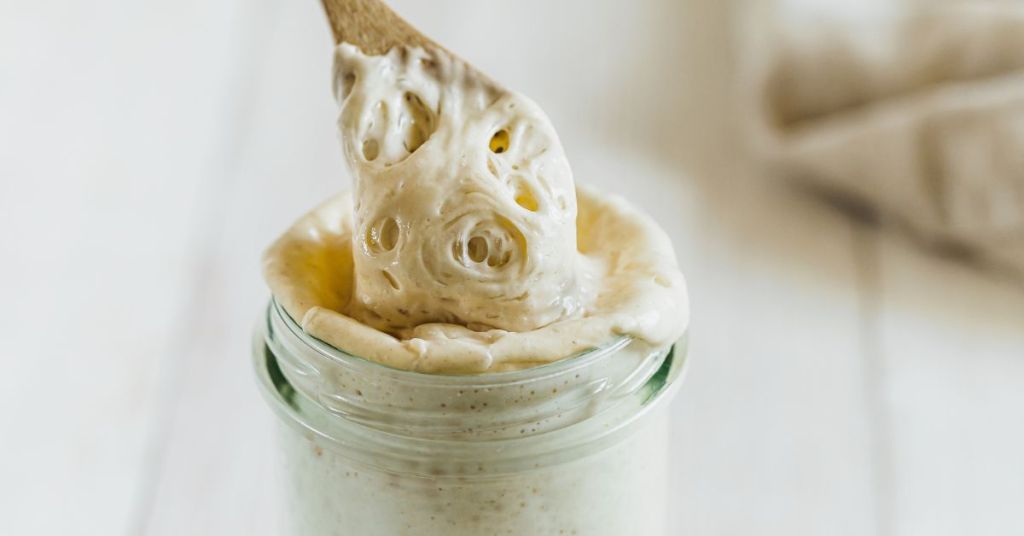
- For the next three days, repeat the same process daily: discard half of the starter and feed it with fresh flour and water. By Day 5, your starter should be bubbly, slightly tangy in smell, and doubling in size after each feeding. This means it’s ready to use in your first sourdough bread recipe.
Tips for Success
- Water Quality: Use filtered or dechlorinated water to avoid inhibiting fermentation.
- Flour Choice: Whole wheat or rye flour often kickstarts activity faster than all-purpose flour.
- Environment: Keep your starter at a consistent room temperature (around 70–75°F) for the best results.
With consistent care and attention, your starter will transform into a reliable base for every sourdough bread recipe you create. Whether you’re diving into your first loaf or refining your skills, this simple process lays the foundation for exploring the art of sourdough baking.
How to troubleshoot sourdough starter issues for beginners
Even with the best efforts, creating a starter can present challenges. Here are some common problems and how to address them:
- The starter isn’t bubbling or growing:
- Ensure you’re feeding it regularly and keeping it in a warm spot. If it still doesn’t show signs of life, try switching to whole wheat or rye flour, which contains more nutrients for fermentation.
- It smells unpleasant (like acetone or vinegar):
- A sharp smell can indicate your starter is hungry. Feed it more frequently to balance the bacterial activity.
- There’s liquid on top (hooch):
- This is a sign of underfeeding. Simply stir the liquid back in or pour it off, then feed your starter as usual.
- It has mold or strange discoloration:
- Unfortunately, a moldy starter cannot be salvaged. Discard it and start fresh, ensuring that your tools and jars are clean.
- The starter is growing too slowly:
- Add a small amount of whole wheat or rye flour for an extra boost of nutrients.
Remember, the journey to creating a vibrant sourdough starter is as much about patience as it is about precision. With time, you’ll develop a starter that’s uniquely yours, ready to elevate every sourdough bread recipe you create!
Simple Sourdough Tips for First-Time Bakers
Starting with sourdough can feel like stepping into the unknown—trust me, I know! As a beginner myself, I’ve learned that having clear guidance can make all the difference. These simple tips for sourdough beginners will guide us through the process, step by step. I’m not here as an expert but as someone learning alongside you—let’s embrace the journey and celebrate each discovery together.
Start Small and Stay Consistent with Your Natural Yeast Starter
When I first started, I felt overwhelmed by all the information about sourdough starters. What I’ve learned (the hard way!) is that keeping things simple makes a huge difference. Start small—literally—with just a little flour, water, and patience.
Consistency is key. Feeding your natural yeast starter regularly, sticking to a routine, and using the same flour can help avoid hiccups. Let’s figure out what works best together and build confidence loaf by loaf.
The Importance of Patience in Handcrafted Sourdough Loaves
’ll be honest: patience hasn’t always been my strong suit, and that’s likely why my first attempts at sourdough didn’t go as planned. But when it comes to crafting a perfect handcrafted sourdough loaf, time isn’t just an ingredient—it’s the key to success. Waiting for your natural yeast starter to bubble or your dough to rise can feel like an eternity, but every moment contributes to the flavor and texture that make sourdough so special.
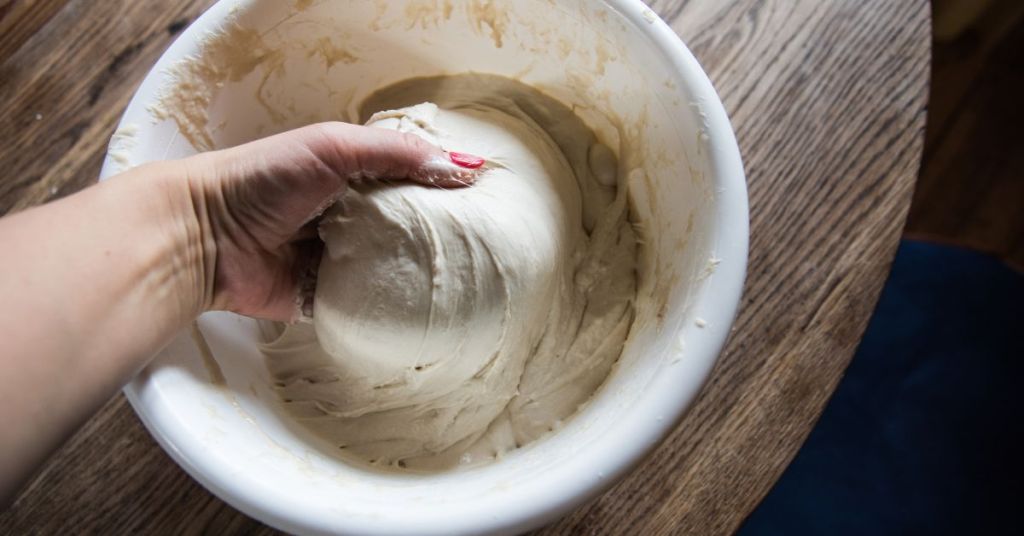
Let’s remind ourselves (and each other) to trust the process. Each stage, though slow, works its magic to create something truly unique. Whether you’re following a sourdough starter guide or experimenting with simple sourdough tips for first-time bakers, patience is what transforms flour and water into a loaf worth celebrating.
Learning from Mistakes with Artisan Sourdough Bread
If there’s one thing I’ve learned about sourdough, it’s this: mistakes are part of the journey. My first attempt at sourdough didn’t even make it to the oven—it could have doubled as a paperweight! But every misstep along the way has taught me something new.
Let’s take a moment to celebrate our efforts, no matter the outcome. Did your bread turn out flat? We’ll troubleshoot together. Is the crumb not airy enough? Let’s figure it out. The beauty of artisan sourdough bread is that no two loaves are ever the same, and every attempt gets us closer to mastery.
FAQ: Common Questions About Sourdough Bread Recipes
As a beginner exploring the world of sourdough, I quickly realized that many of my questions were shared by others starting their own sourdough journeys. From starters to tools and techniques, the same uncertainties kept popping up. That’s why I’ve put together this FAQ—addressing common questions that both you and I might have as we learn together.
How Long Does It Take to Make a Sourdough Bread Recipe?
Making a sourdough recipe as a beginner is not a quick process—it’s a labor of love. From creating or feeding your natural yeast starter tutorial to baking, the journey can take anywhere from 24 to 48 hours. The timeline includes:
- Mixing and Bulk Fermentation: 4–8 hours, depending on room temperature.
- Shaping and Proofing: Another 4–12 hours, often done overnight in the fridge.
- Baking: The final step, which typically takes about an hour.
While this may sound lengthy, most of the time is hands-off, letting the wild yeast do its thing. The reward? Hopefully, a beautifully risen handcrafted sourdough loaf that feels worth every minute.
Do I Need Special Tools to Make Sourdough Bread?
As beginners, we don’t need fancy equipment to create our first sourdough bread, but some tools make the process easier:
- Mixing Bowl and Spatula: Basics you probably already have.
- Dutch Oven: Helps create steam for that iconic crust. If unavailable, try a baking sheet with a water pan for steam.
- Kitchen Scale: Ensures accurate measurements for consistent results.
- Bench Scraper: Useful for shaping dough, though optional.
- Proofing Basket (Banneton): Gives your dough structure during its final rise, but a bowl lined with a floured cloth works too.
These tools are great for sourdough beginners, but remember: the magic happens in the dough, not the gadgets. Let’s work with what we have and adjust as needed.
Why Isn’t My Natural Yeast Starter Active?
If our natural yeast starter isn’t bubbling or growing yet, it’s okay—it’s all part of the process. Let’s figure out a few things we can check together:
- Feeding Schedule: Are we discarding and feeding regularly? Staying consistent might make all the difference. I’ll admit, this is where I went wrong during my first attempt—I wasn’t consistent, and my starter never had the chance to thrive. Let’s learn from that and keep a steady routine this time!
- Water Quality: Let’s try using filtered or dechlorinated water—tap water might be slowing things down.
- Flour Type: Whole wheat or rye flour could give our starter the boost it needs compared to all-purpose flour.”
Let’s find a warm, cozy spot for our starter to thrive (around 70–75°F). If it’s still not waking up, that’s okay—sometimes it just takes a little more time and patience.
Can Different Flours Be Used for Sourdough Bread?
Absolutely! As I started exploring sourdough for beginners, I realized how much variety flours can bring to a loaf. Each type of flour affects your sourdough bread recipe differently, offering unique flavors and textures. Here’s what I’ve learned so far:
- All-Purpose Flour: Reliable and widely available, but may lack complexity in flavor.
- Whole Wheat or Rye Flour: Rich in nutrients and natural yeast, these boost fermentation and add earthy flavors.
- Gluten-Free Flour Blends: Possible for certain adaptations, but they require specific recipes and techniques.
Each flour affects the dough’s hydration, texture, and flavor, so don’t be afraid to try something new. A handcrafted sourdough loaf is as much about creativity as it is about tradition.
How Do I Store Sourdough Bread?
To keep your artisan sourdough bread fresh, proper storage is essential:
- Short-Term (1–2 Days): Store the loaf in a paper bag or wrapped in a tea towel to maintain the crust.
- Medium-Term (3–5 Days): Place in an airtight container or plastic bag to prevent drying, though the crust may soften.
- Freezing: Slice the loaf and freeze it. Toast slices directly from the freezer for a quick and delicious treat.
Avoid refrigerating your bread, as it can make the crumb dry and tough. The beauty of handcrafted sourdough loaves is that they’re naturally more durable than many store-bought breads.
Embracing the Journey of Sourdough Bread Recipes
The world of sourdough for beginners can seem overwhelming at first—trust me, I’ve felt that way too. But as I’ve learned, the process isn’t about perfection; it’s about transformation. Turning simple ingredients into something extraordinary is a journey, and every step offers a chance to grow and discover.
Here’s the fun part: today, as this post goes live, I’m officially starting my sourdough journey again! No more excuses—just a jar of starter, some flour, and the determination to see it through. Now that I’ve put it out there, I guess I’m committed to making it work. Let’s see how it goes!
Whether you’re starting with a natural yeast starter tutorial or experimenting to craft a handcrafted sourdough loaf, there’s magic in the process. Mistakes are part of the experience (and I’ve made my share), but with patience and curiosity, you’ll see why sourdough has captured the hearts of so many bakers.
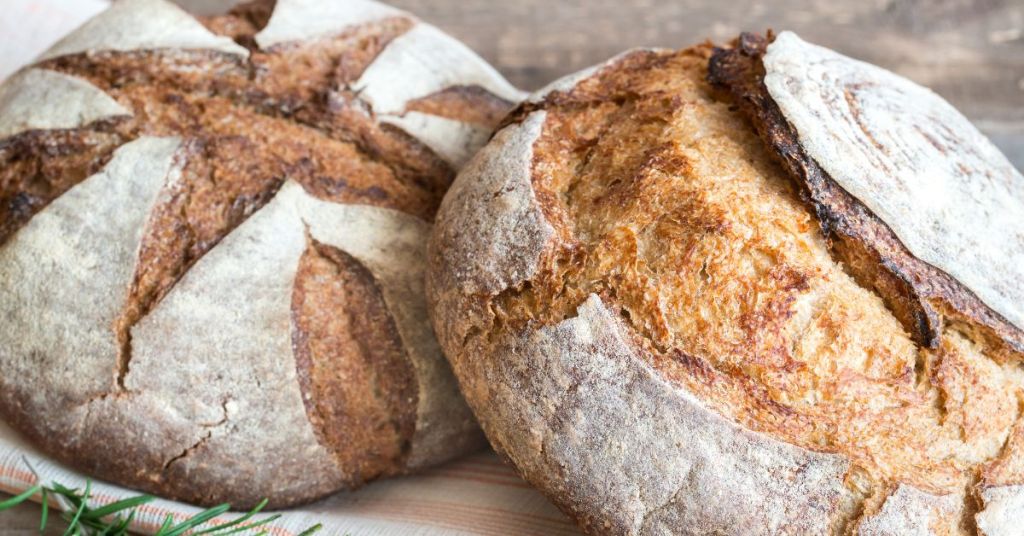
So, what do you say? Let’s embrace the challenge, learn together, and enjoy every step of this journey. The perfect sourdough bread recipe might still be ahead of us, but the adventure of getting there is just as rewarding.
If this guide hasn’t quite convinced you to dive into sourdough just yet, don’t worry—we’ve got you covered! Check out our quick breakfast ideas for other simple and delicious ways to start your day. Whether it’s a busy morning or you’re just not ready for the sourdough adventure, there’s something for everyone.