
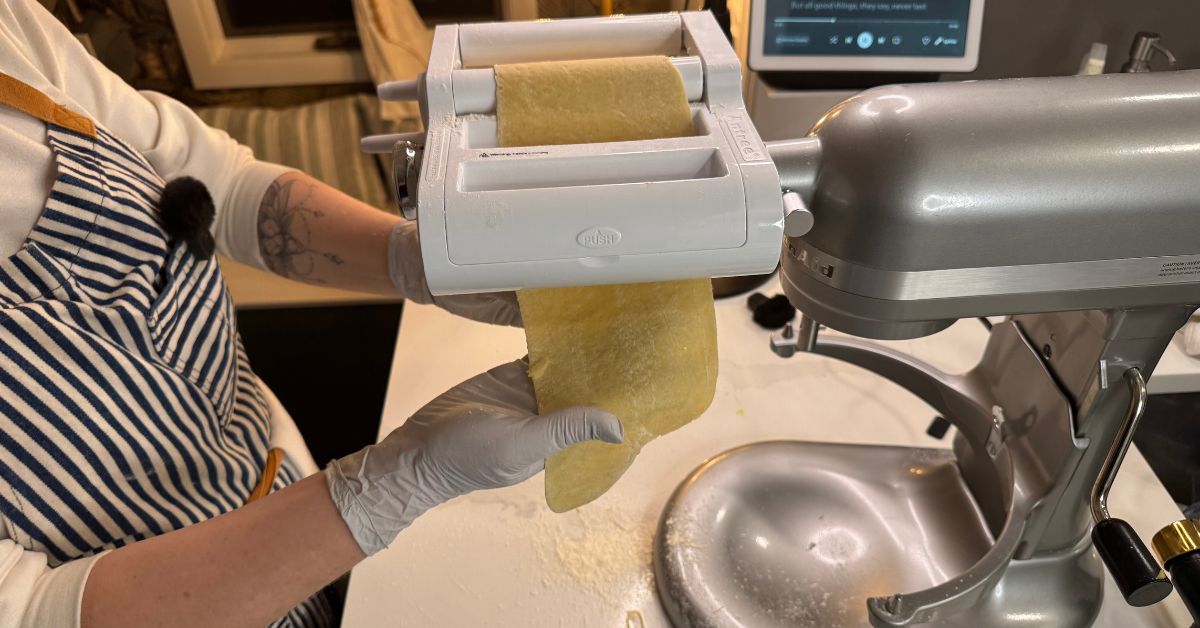
Why does homemade pasta making matter more than ever? In a world dominated by processed foods and endless additives, homemade pasta making is more than just a recipe—it’s a celebration of tradition, creativity, and the joy of working with your hands. Unlike store-bought varieties, fresh pasta offers unparalleled tenderness, customizable shapes, and the freedom to explore unique flavors. With simple pasta making techniques, anyone can create a tender and flavorful homemade pasta dough. It’s an experience that transcends the kitchen, connecting you to food, culture, and a simpler way of living.
I’ve made pasta countless times with my trusty KitchenAid at home, but one unforgettable moment showed me how adaptable pasta-making can be. While traveling, we stumbled upon an incredible truffle that simply demanded fresh pasta. The Airbnb kitchen had no rolling pin or pasta machine, but with a couple of wine bottles and a sharp knife, we made it work. The result? A delicious, handmade meal that tasted as good as it felt to create.
Whether you’re looking to impress your guests with a restaurant-quality dish or enjoy a weekend project with family, homemade pasta unlocks a world of culinary possibilities. In this post, we’ll explore why fresh pasta matters and how mastering the art of pasta-making can transform your cooking into a meaningful, rewarding experience. Ready to get rolling? Let’s dive in!
The Timeless Art of Homemade Pasta Making
Homemade pasta making is far more than just a cooking activity—it’s a celebration of tradition, creativity, and the joy of working with your hands. In a world where processed foods dominate, this age-old practice offers a way to slow down and reconnect with the simplicity of crafting something from scratch. The process is as rewarding as the final result, offering unmatched freshness, flavor, and a personal touch that transforms any meal into an experience.
But why choose homemade pasta over store-bought? The answer lies in its superior quality and versatility. Fresh pasta delivers a tender, melt-in-your-mouth texture that no packaged alternative can replicate. It also allows you to take full control of the ingredients, avoiding preservatives and exploring nutrient-rich flours like whole wheat or semolina. Beyond the health benefits, making pasta at home connects you to culinary traditions that span generations, creating a sense of pride and accomplishment in every bite.
Homemade pasta is also a creative outlet, a blank canvas where you can experiment with shapes, colors, and flavors. Whether you’re rolling out fettuccine, shaping ravioli, or trying your hand at bow-tie pasta, the possibilities are endless. Add ingredients like spinach, beetroot, or herbs to your dough for vibrant colors and exciting flavors that reflect your personal style. Beyond the practical aspects, pasta-making becomes an opportunity to infuse personality into every dish, making meals that are as memorable as they are delicious.
Tools You Need (and What to Do Without Them)
Think you need a fully stocked kitchen to make pasta? Think again. While tools like a pasta roller, drying rack, and ravioli cutter are helpful for homemade pasta making, they’re not essential. All you truly need is a clean surface, a sharp knife, and a rolling pin—or, as I once discovered, a wine bottle! Pasta-making is adaptable, and with a little creativity, you can craft beautiful pasta with whatever you have on hand.
Machines That Make Pasta-Making Easier (or Do the Work for You)
For years, the KitchenAid has been our go-to for crafting homemade pasta. From kneading dough effortlessly to shaping exquisite tortellini and ravioli with its versatile attachments, this tool has consistently delivered delicious results. But the KitchenAid is just the beginning. Other incredible machines expand the possibilities of making pasta at home, each bringing unique advantages to the process.
The Thermomix TM6 for example, excels in versatility, seamlessly mixing and kneading dough. For those seeking convenience, the Philips Pasta Machine, automates the entire process, from rolling to cutting, providing a hands-free solution for fresh pasta enthusiasts.
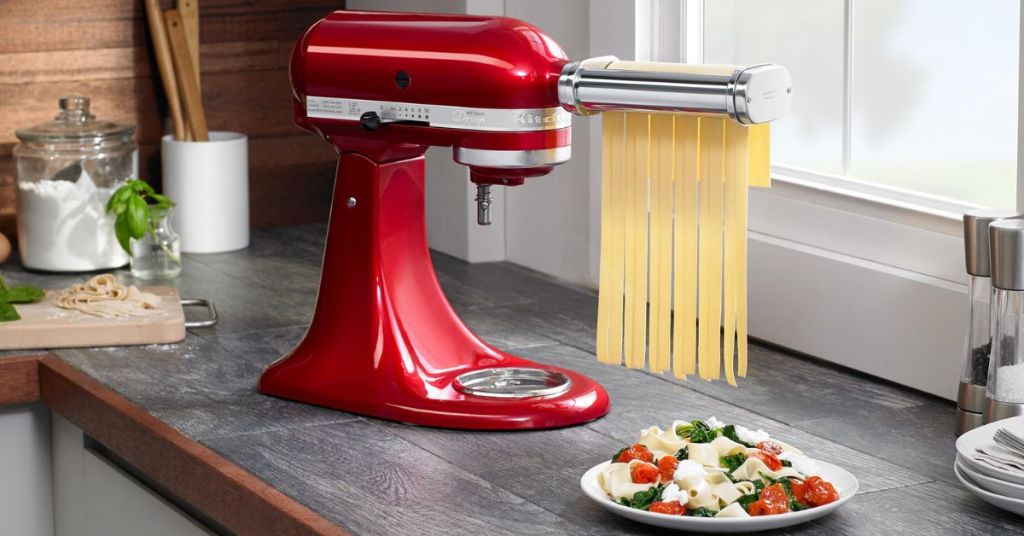
The KitchenAid pasta roller in action, turning fresh dough into silky sheets for a perfect homemade meal. 
Pasta dough in progress using the Thermomix TM6 for perfect consistency. 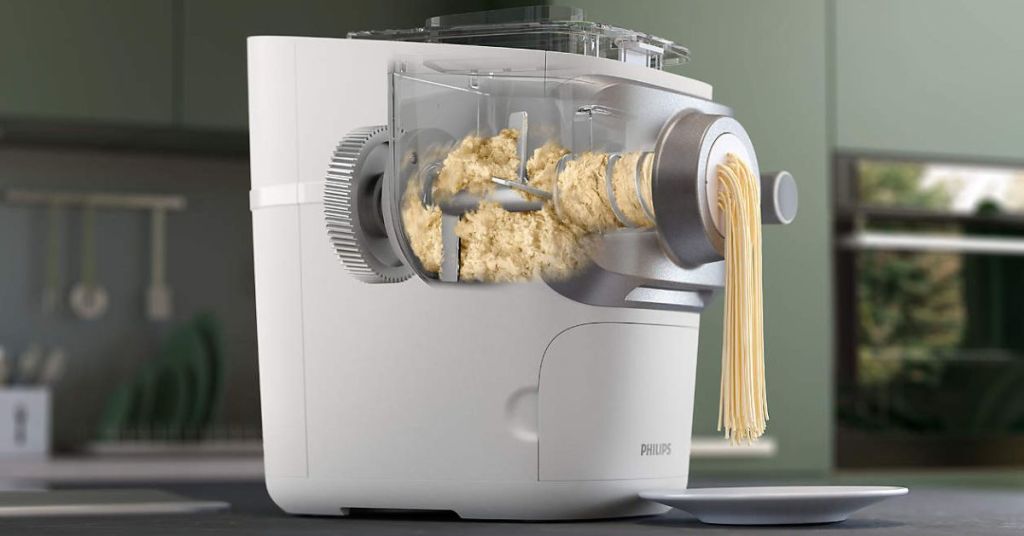
Philips pasta maker effortlessly extruding fresh spaghetti for your next gourmet meal. 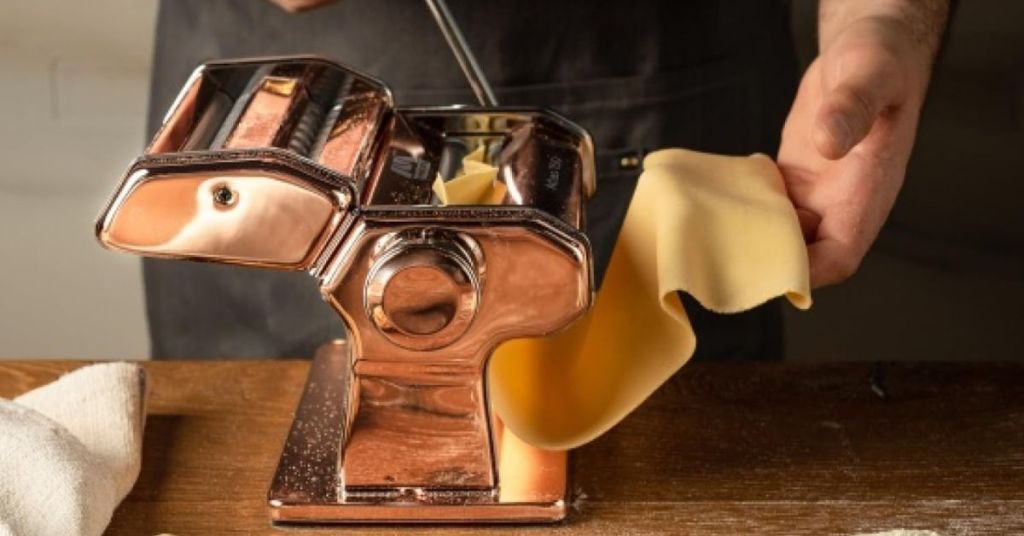
Crafting homemade pasta with the Marcato Atlas, a trusted manual pasta roller. 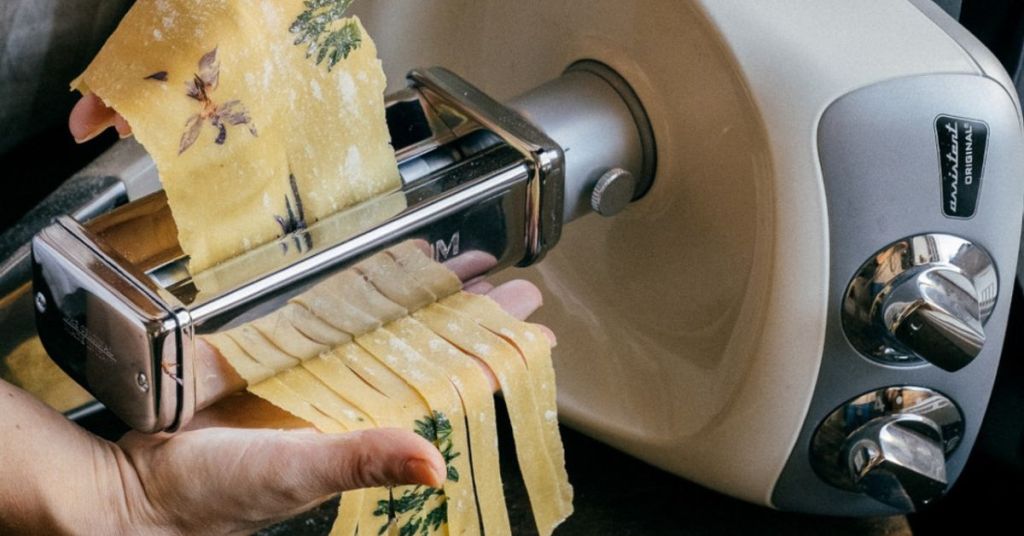
Transform your Ankarsrum mixer into a pasta-making tool with this attachment.
For those who prefer the tactile satisfaction of manual pasta-making, Marcato Atlas is a classic Italian brand known for its sturdy, reliable pasta rollers and cutters, perfect for achieving consistent results. If you’re seeking a powerful stand mixer, the Ankarsrum Assistent Original, a Swedish masterpiece, is an exceptional option. Renowned for its durability and performance, it handles pasta dough with ease and offers a timeless design that adds elegance to any kitchen.
Whether you choose a manual roller, an automated machine, or a versatile kitchen appliance, these tools demonstrate that making fresh pasta at home can be as simple or as sophisticated as you desire.
Key Ingredients for Perfect Homemade Pasta Dough
The beauty of traditional pasta lies in its simplicity, relying on just a few ingredients to create a versatile base for countless dishes. Flour and eggs are the hallmark of central and northern Italy, especially in Emilia-Romagna—the region where the Salomonis originate—producing a rich, elastic dough ideal for silky pasta like tagliatelle and ravioli. In southern regions like Apulia, flour and water are preferred, yielding a firmer dough perfect for rustic shapes such as orecchiette or pici. Though not always included, a pinch of salt enhances the dough’s flavor, and a splash of olive oil is occasionally added for extra pliability, showcasing how even the simplest variations can transform the art of pasta-making.
Types of Flour
Flour is the heart of pasta-making, and selecting the right one lays the foundation for texture, flavor, and consistency. The ratio of ingredients, hydration, and even the environmental humidity all influence the final result.
- “00” Flour
Renowned for its ultra-fine grind, “00” flour is the gold standard for Italian pasta. It creates silky, smooth dough that’s perfect for delicate pasta like fettuccine or ravioli. When using “00” flour, a common ratio is 100g of flour per large egg, which ensures a balanced dough. If the dough feels too dry, add water a teaspoon at a time. - Semolina Flour
This coarser flour, made from durum wheat, adds structure and a pleasant bite. It’s ideal for extruded pasta like rigatoni or penne, as well as for shapes that need to hold sauces well. For a traditional blend, use 70% semolina and 30% “00” flour by weight. - All-Purpose Flour
Accessible and versatile, all-purpose flour works well for beginners. While it doesn’t have the elasticity of “00” flour or the firmness of semolina, it’s a reliable choice for most pasta recipes. Combine it with semolina for added texture.
Gluten-Free Flours: Crafting Fresh Pasta Without Compromise
Making gluten-free pasta requires an understanding of how to replace the binding properties of gluten. Here’s a breakdown of flours and their roles:
- Almond Flour
Adds a nutty flavor and richness but lacks elasticity. Best when combined with starchier flours. - Rice Flour
Offers a smooth texture and neutral flavor. Use as the base in gluten-free blends. - Chickpea Flour
High in protein, chickpea flour adds structure and a hearty flavor. Mix with lighter flours to avoid an overly dense dough. - Tapioca and Potato Starches
These are essential for improving elasticity and binding in gluten-free pasta. Use sparingly—about 20-30% of the total flour weight—to avoid a gummy texture.
Balancing Gluten-Free Dough: Weights and Additives
In gluten-free pasta, ratios matter even more than in traditional recipes. A successful gluten-free dough often combines:
- 60% starchy flours (rice, potato, or tapioca)
- 40% protein-rich or nutty flours (almond, chickpea, or millet)
For every 100g of flour blend, start with:
- 1 egg or 60ml water for hydration.
- Add a teaspoon of olive oil for pliability and flavor.
The Role of Gums and Thickeners
Here is a brief explanation of each additive used to enhance pasta dough, especially gluten-free options:
Eggs
Eggs are a key ingredient in traditional pasta, providing natural elasticity, richness, and binding. They help create a smooth, pliable dough that is easy to roll and shape. The standard ratio is 1 large egg per 100g of flour, which ensures a balanced consistency for most recipes.
Xanthan Gum
Xanthan Gum is a polysaccharide made by fermenting sugar with the bacterium Xanthomonas campestris. This natural thickening agent is a powerful binder that improves elasticity, making the dough easier to roll and shape. Use sparingly (¼ teaspoon per 100g of flour blend) to avoid an overly stiff texture.
Guar Gum
Guar Gum is a natural thickener derived from the seeds of the guar plant (Cyamopsis tetragonoloba). Similar to xanthan gum, it helps bind and improve dough texture but creates a softer, more pliable result. Best used in small amounts (¼ teaspoon per 100g of flour blend) to prevent a slimy consistency.
Psyllium Husk Powder
Psyllium Husk Powder is a natural fiber derived from the husks of Plantago ovata seeds. It adds structure and retains moisture in gluten-free dough, helping to mimic gluten and ensuring the pasta holds together well. Use ½ teaspoon per 100g of flour blend for best results.
Agar-Agar
Agar-agar, derived from seaweed, is a plant-based gelling agent that can be used in gluten-free or vegan pasta to add firmness. Dissolve 1 teaspoon of agar-agar in warm water per 100g of flour to incorporate it effectively.
Aquafaba
Aquafaba, the liquid from cooked or canned chickpeas, is an excellent vegan substitute for eggs. It replicates the binding properties of eggs, making it ideal for gluten-free or plant-based pasta. Use 3 tablespoons of aquafaba to replace one egg, adjusting hydration if needed for the desired dough texture.
Ground Flaxseed (Flaxseed Meal)
Ground flaxseed is a natural binder and a popular egg replacement in vegan pasta. When mixed with water (1 tablespoon of flaxseed meal + 2.5 tablespoons of water to replace one egg), it forms a gel-like consistency that enhances elasticity and binding.
Step-by-Step for Simple Pasta Making Process
Preparing the Surface for Homemade Pasta Dough
Begin by ensuring your workspace is clean and stable. A wooden board, a silicone mat, or a clean countertop works best, as each provides the right amount of friction for kneading. Sprinkle a light dusting of flour across the surface to prevent sticking but avoid over-flouring, as this can dry out the dough. Having your tools, such as a fork, bench scraper, and rolling pin, within reach will make the process smoother.
Mixing Ingredients
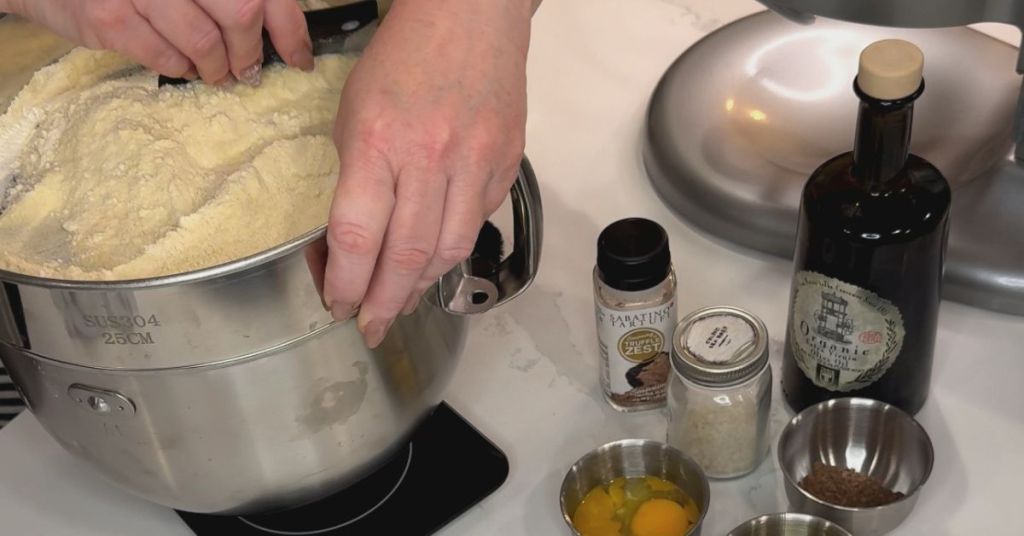
Create a mound of flour on your prepared surface. If using eggs, make a well in the center and crack the eggs into it. Slowly whisk the eggs with a fork, gradually drawing in the surrounding flour until the mixture becomes too thick to stir. For water-based dough, add the water incrementally, mixing as you go, until a rough dough forms. Adjust with additional flour or water as needed to achieve the right consistency.
Kneading Homemade Pasta Dough
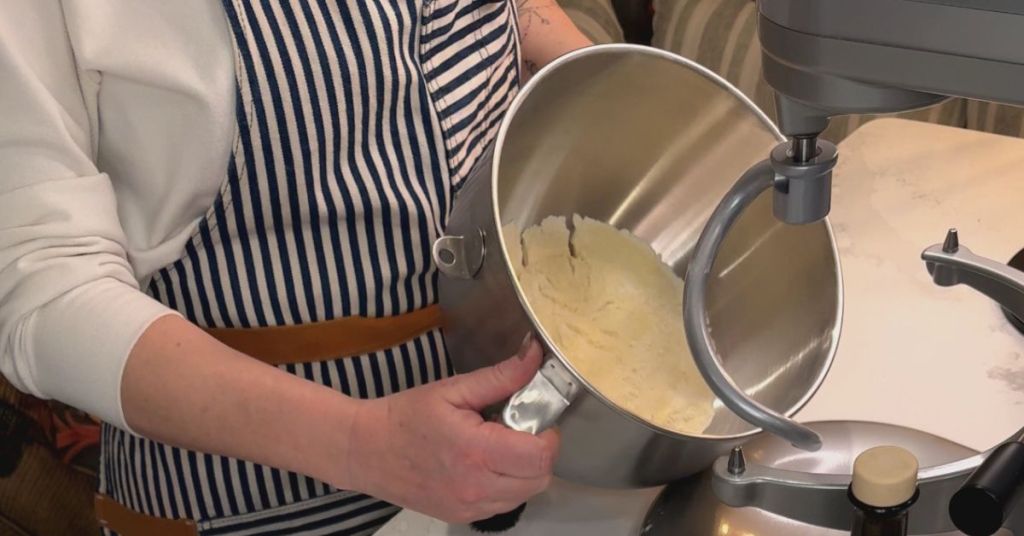
Bring the mixture together with your hands and start kneading. Use the heels of your hands to press and fold the dough, turning it as you go. Continue kneading for 8-10 minutes until the dough is smooth, elastic, and slightly tacky. Silicone mats are a practical option for beginners due to their non-stick properties, while wooden boards provide stability and are a traditional choice.
Resting the Dough

Wrap your homemade pasta dough in plastic wrap or cover it with a damp kitchen towel. Let it rest at room temperature for at least 30 minutes. This crucial resting period allows the gluten to relax, making the dough more pliable and easier to roll. For gluten-free dough, this step helps hydrate the flours and improves overall texture.mproves the texture.
Rolling and Shaping
Using a Pasta Roller
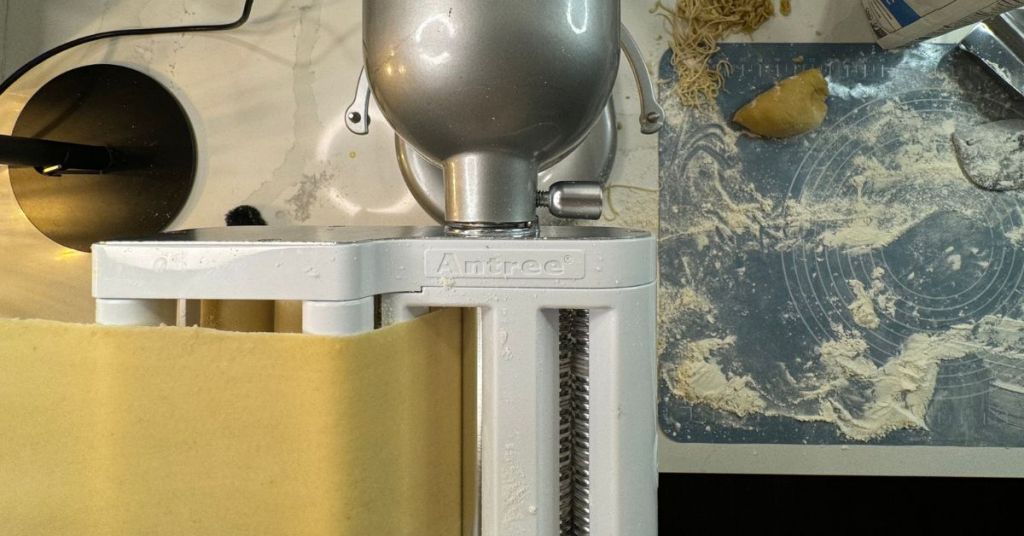
Divide the dough into smaller portions for easier handling. Slightly flatten one portion with your hands, then feed it through a pasta roller set to the widest setting. Fold the dough in half and repeat this step 2-3 times to ensure uniformity. Gradually reduce the roller’s thickness setting, rolling thinner with each pass, until you achieve the desired thickness. Dust lightly with flour as needed to prevent sticking.
Hand-Cutting Techniques
If you don’t have a pasta roller, use a rolling pin to flatten the dough on your floured surface or silicone mat. Roll it evenly until thin enough to see your hand through it. For ribbon-like pasta such as tagliatelle or pappardelle, loosely roll the sheet into a cylinder and slice it into strips with a sharp knife. Unroll the ribbons, dust lightly with flour, and separate them to prevent clumping.
Cooking Fresh Pasta
Boiling Techniques
Fresh pasta cooks quickly compared to its dried counterpart, making proper boiling techniques essential for the best results. Here’s how to do it:
- Use a Large Pot: Fresh pasta expands slightly during cooking, so ensure there’s enough space for it to move freely.
- Salt the Water Generously: Add about 1 tablespoon of salt per 4 cups of water. This enhances the pasta’s flavor, as fresh pasta absorbs water more readily than dried pasta.
- Boil the Water Vigorously: Bring the water to a rolling boil before adding the pasta to ensure even cooking.
- Cook Briefly: Fresh pasta typically cooks in 2-4 minutes, depending on its thickness. Taste-test a piece for doneness, looking for a tender texture with a slight bite (al dente).
- Reserve Pasta Water: Before draining, save a cup of the starchy pasta water. It’s a secret weapon for enhancing your sauce and achieving the perfect consistency.
Pairing with Sauces
Fresh pasta’s flavor and texture shine when paired with the right sauce. The perfect pairing enhances both the pasta and the sauce, creating a harmonious and satisfying dish:
- Light Sauces: Highlight the flavor of the pasta with simple sauces like garlic and olive oil, butter and sage, or fresh tomato sauce. These are ideal for thin ribbons like tagliatelle or delicate stuffed pasta such as ravioli.
- Creamy Sauces: Rich and velvety sauces like Alfredo or mushroom cream complement fettuccine or pappardelle, as their wider surface area holds the sauce beautifully.
- Hearty Sauces: Bold ragùs or slow-cooked meat sauces pair well with thicker cuts like pappardelle or robust shapes like orecchiette.
- Herb-Infused Oils: For a minimalist approach, drizzle fresh pasta with herb-infused olive oil and sprinkle with grated cheese or toasted breadcrumbs.
When pairing, consider the pasta’s shape, texture, and flavor profile. The goal is harmony—where the sauce complements the pasta rather than overpowering it.
Troubleshooting Common Pasta-Making Problems
Dough Too Sticky or Dry
One of the most common challenges in pasta-making is achieving the perfect dough consistency. Here’s how to fix it:
- If the Dough is Too Sticky:
- Gradually sprinkle small amounts of flour onto the dough, kneading between additions to avoid over-flouring.
- If the dough remains sticky, dust your workspace and hands with flour to prevent sticking as you knead.
- For persistent stickiness in humid environments, rest the dough longer (up to an hour) to allow it to firm up.
- If the Dough is Too Dry:
- Add small amounts of water (a teaspoon at a time) to the dough, kneading thoroughly to incorporate.
- If the dough is still cracking or crumbly, consider adding a few drops of olive oil to improve hydration and pliability.
- For dough that has been resting too long and dried out, mist it lightly with water and knead to revive its texture.
Uneven Texture
An uneven dough texture can result in inconsistent cooking or misshaped pasta. Here’s how to resolve this issue:
- During Kneading:
- Ensure you’re kneading the dough evenly by applying consistent pressure with the heels of your hands. Rotate the dough as you press and fold to develop uniform gluten strands.
- Avoid over-flouring during kneading, as this can create dense patches within the dough.
- When Rolling Out Dough:
- If the dough is unevenly thick, pass it through a pasta roller multiple times at the widest setting, folding and rotating between passes. This ensures a consistent starting point before thinning.
- For hand-rolled dough, rotate and roll from the center outward, applying even pressure across the surface. Use a silicone mat or wooden board for better control.
- Dealing with Lumps or Cracks:
- Lumpy dough suggests incomplete mixing—knead until fully smooth.
- Cracks can occur when the dough is too dry; mist lightly with water and knead until pliable.
By addressing these issues during the process, you’ll ensure a smooth, elastic dough that rolls out evenly and produces flawless pasta.
Storing Fresh Pasta
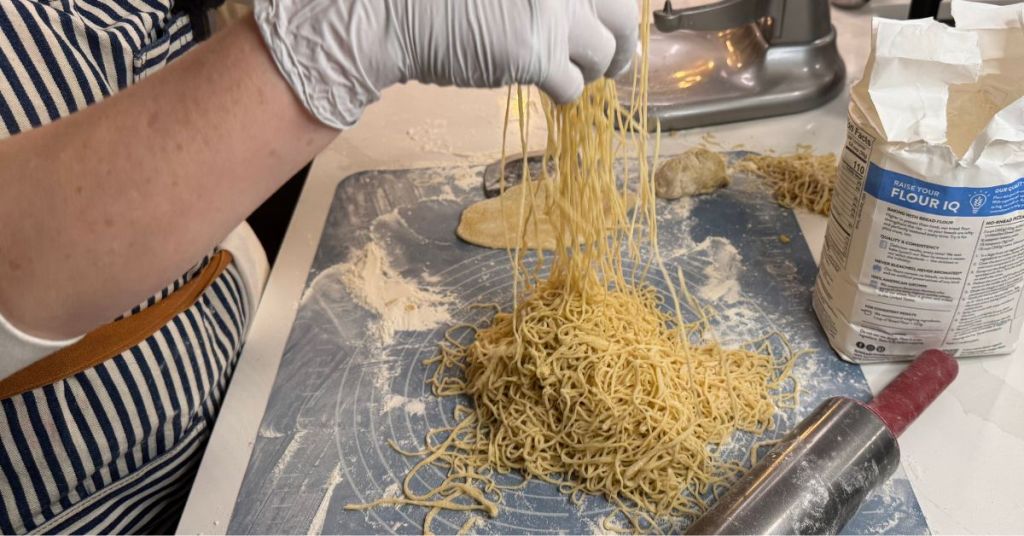
Proper storage is essential for maintaining the quality and freshness of homemade pasta. Whether you plan to use it within a few days or keep it for longer, the right method ensures your pasta stays in perfect condition. Here’s how to store fresh pasta effectively:
Refrigeration
Refrigerating fresh pasta is ideal if you plan to cook it within 1-2 days. Follow these steps to keep it fresh and prevent sticking:
- Dust with Flour: Lightly dust the pasta with flour to prevent it from sticking together. This is particularly important for ribbon shapes like tagliatelle or fettuccine.
- Lay Flat or Nest: Arrange the pasta in a single layer on a parchment-lined tray or create loose nests for longer shapes. Avoid stacking to prevent clumping.
- Use Airtight Containers: Transfer the floured pasta to an airtight container or a resealable plastic bag. Ensure minimal air exposure to prevent drying out.
- Monitor Moisture: Fresh pasta can release moisture over time, so check periodically for condensation. If needed, add a piece of parchment paper inside the container to absorb excess moisture.
Refrigerated pasta should be cooked within 48 hours for optimal flavor and texture.
Freezing your homemade pasta dough
Freezing is the best option for long-term storage homemade pasta dough, as it preserves the texture and flavor of fresh pasta for up to 2-3 months. Here’s how to freeze it properly:
- Prepare the Pasta: Dust the pasta lightly with flour to prevent sticking, just as you would for refrigeration.
- Flash Freeze: Spread the pasta in a single layer on a parchment-lined baking sheet, ensuring the pieces don’t touch. Place the tray in the freezer for 1-2 hours, or until the pasta is firm and frozen.
- Transfer to a Freezer-Safe Container: Once frozen, transfer the pasta to a resealable freezer bag or airtight container. Remove as much air as possible to prevent freezer burn.
- Label and Date: Clearly label the container with the type of pasta and the date it was frozen.
Cooking from Frozen: There’s no need to thaw frozen pasta before cooking. Simply drop it into boiling, salted water and cook for an additional 30 seconds to 1 minute compared to fresh pasta.
Additional Tips for Both Methods
- Stuffed Pasta: For ravioli or tortellini, freezing is the better option to maintain the filling’s texture. Flash freeze them individually before storing in a container to prevent sticking.
- Gluten-Free Pasta: Gluten-free dough is more fragile, so freeze it in small portions or shapes and handle it carefully when transferring to boiling water.
- Drying Alternative: If refrigeration or freezing isn’t an option, dry the pasta completely on a drying rack and store it in an airtight container. This method works well for long-term storage but changes the pasta’s texture to more closely resemble dried store-bought varieties.
By using the right storage method, your homemade pasta will stay fresh and ready to use, whether for a quick weekday dinner or a special occasion meal.
FAQs
How long should I knead pasta dough?
Kneading is a crucial step in pasta-making, as it develops the gluten structure, giving the dough its elasticity and smooth texture. Typically, pasta dough should be kneaded for 8-10 minutes by hand. If the dough feels sticky, add a light dusting of flour while kneading. It’s ready when it becomes smooth, elastic, and springs back slightly when pressed with your fingertip. For those using a stand mixer with a dough hook, kneading usually takes 5-7 minutes at a medium-low speed.
Can I make pasta without a pasta roller?
Absolutely! While a pasta roller makes the process faster and ensures consistent thickness, homemade pasta can be rolled and shaped entirely by hand. Use a rolling pin to flatten the dough on a floured surface or a silicone mat, rolling it evenly until thin enough to see your hand through it. For ribbon shapes like tagliatelle, loosely roll the sheet into a cylinder and slice it with a sharp knife. Handmade pasta has a rustic charm that can be just as satisfying as machine-rolled varieties.
What’s the best flour for homemade pasta?
The choice of flour depends on the type of pasta and the desired texture:
- “00” Flour: Ideal for silky, smooth pasta, perfect for delicate shapes like tagliatelle and ravioli.
- Semolina Flour: Adds a firm texture and is best for extruded or rustic shapes like orecchiette.
- All-Purpose Flour: A versatile option for beginners, suitable for most types of pasta when combined with semolina.
- Gluten-Free Alternatives: Blends of rice, almond, or chickpea flour with starches like tapioca or potato create excellent gluten-free options.
Experiment with different flours or blends to suit your preferences and the dish you’re preparing.
How long can I store fresh pasta?
Fresh pasta can be stored in different ways depending on when you plan to use it:
- Refrigeration: Store fresh pasta in an airtight container for up to 48 hours. Dust it lightly with flour to prevent sticking.
- Freezing: For longer storage, freeze fresh pasta for up to 2-3 months. Flash freeze it on a tray before transferring it to a freezer-safe container. Cook frozen pasta directly from the freezer without thawing.
For stuffed pasta, such as ravioli, freezing is highly recommended to preserve the filling’s texture and flavor.
Is homemade pasta healthier than store-bought?
Homemade pasta can be healthier because you control the ingredients. It contains no preservatives or additives, unlike many store-bought varieties. You can also customize the dough to suit dietary needs by using nutrient-rich flours like whole wheat or gluten-free blends. Additionally, making pasta at home allows you to adjust the salt content and avoid unnecessary oils or processed ingredients. While homemade pasta is typically richer due to the use of eggs, it’s a more wholesome option that prioritizes quality over convenience.
The Final Stretch: Perfecting Your Pasta-Making Journey
Pasta-making is more than just following a recipe; it’s about embracing the joy of crafting something with your own hands. Each step, from mixing the dough to shaping delicate ribbons or rustic orecchiette, connects you to centuries of culinary tradition and creativity.
As you experiment, you’ll discover that the process isn’t about perfection but about learning, enjoying, and sharing the experience. The quality of your ingredients, the time you take to knead, and the love you pour into every fold make all the difference. Don’t rush—let the dough rest, let your creativity flow, and savor the small victories along the way.
Homemade pasta is an expression of care, a celebration of simplicity, and an invitation to gather around the table with those you cherish. Whether you’re shaping ravioli with your family or preparing fettuccine for friends, the moments spent in your kitchen become memories that linger long after the meal is done.
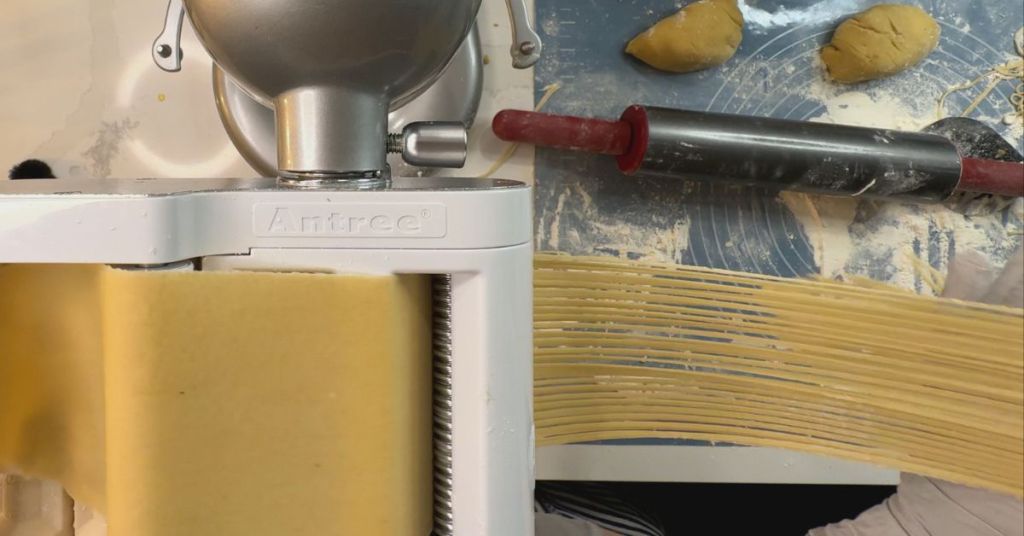
So, roll out your dough, cut it into shapes that inspire you, and pair it with flavors that bring joy. The beauty of pasta-making lies in its imperfections, its adaptability, and its power to bring people together. Now, it’s time to get rolling—your pasta adventure awaits!