

Exotic Ingredients for Your Culinary Creations
Rare spices stand out as the hidden gems of the culinary world, offering unique flavors and aromas that can elevate any dish. For example, from the vibrant tang of sumac to the earthy richness of grains of paradise, these spices not only add complexity to your meals but also bring a sense of adventure to your cooking. Whether you are a home cook eager to experiment or a seasoned chef searching for new ingredients to enhance your creations, rare spices can transform the way you approach flavor.
In this post, we will explore some of the most intriguing rare spices from around the world and uncover the culinary possibilities they offer. From their origins and flavor profiles to practical tips on how to use them, this guide will inspire you to incorporate these exotic ingredients into your kitchen and bring a touch of the extraordinary to your dishes.
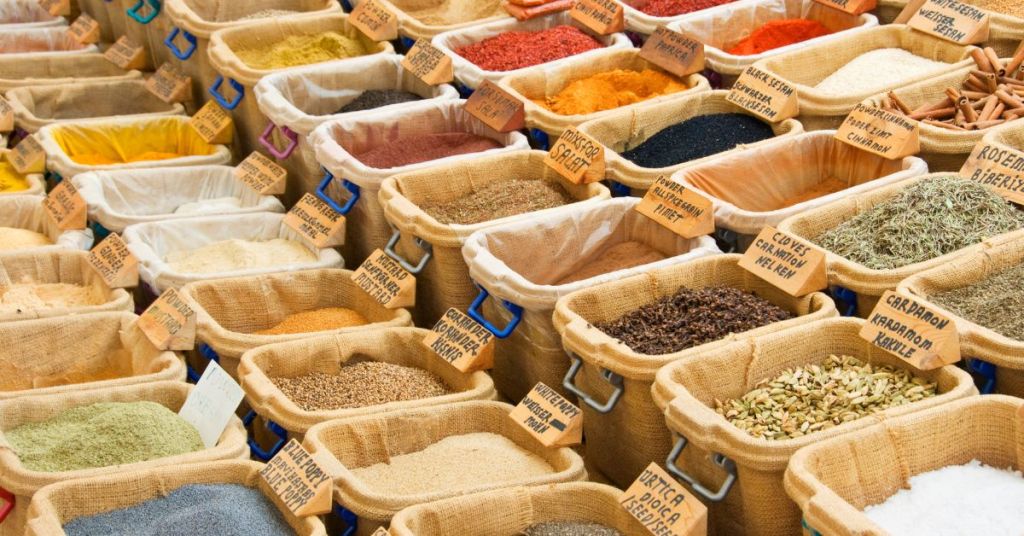
The Allure of Rare Spices: A Journey into the World of Exotic Flavors
What makes a spice rare? Rare spices stand out due to several factors, chiefly their difficulty of cultivation and the limited geographical regions where they grow. For instance, some spices only grow in remote parts of the world, relying on specific climatic and soil conditions. Furthermore, people use unique harvesting techniques that have been passed down through generations, contributing to their rarity. As a result, these spices are not only hard to obtain but also carry a sense of exclusivity and mystery.
In addition, high demand drives the popularity of rare spices because of their exceptional flavors and often valuable medicinal properties. This is especially true for spices like sumac and grains of paradise, which bring bold, distinct flavors to the dishes they complement. Thus, centuries of exploration, trade, and cultural exchange have centered on the search for these spices.
Spices have transformed human culture and history. Indeed, people revere them not only for their ability to enhance food but also for their use in rituals and their medicinal qualities. For example, the famous Spice Route connected the East and West, which facilitated an exchange of culinary treasures and fostered the flow of ideas, art, and culture across continents. Consequently, spices have driven exploration and global interaction.
What Makes a Spice Rare?
Several factors make a spice rare and valuable.
Climate and Geography: Many rare spices grow only in specific microclimates. These regions have unique soil, altitude, or rainfall. These conditions are essential for the spices to thrive. For example, the Himalayas are home to rare spices like saffron and black cardamom. Their high altitudes and cold, dry climate create the perfect environment.
Cultivation and Harvesting: Rare spices require labor-intensive techniques. Take saffron, for instance. Farmers must handpick its delicate stigmas from thousands of crocus flowers. This painstaking process makes saffron one of the world’s most expensive spices. Similarly, vanilla, another rare spice, demands careful hand-pollination and time-consuming curing.
Demand and Limited Availability: The demand for rare spices often exceeds the supply. Adventurous food lovers seek unique flavors, making these spices highly sought after. As a result, the scarcity of these spices drives up their value and exclusivity. In addition, chefs and home cooks alike crave these rare ingredients to elevate their dishes and create unforgettable meals.

While common spices are mass-produced, rare spices are grown in small quantities. They rely on specific conditions, which makes them stand out and increases their uniqueness. These factors combine to create a spice that is not only rare but also prized for its exceptional flavor and history.
Exploring the Fascinating World of Exotic Seasonings
Let’s explore some of the most intriguing rare spices, each with its own unique story and flavor profile.
Saffron: A Premium Spice with Rich Flavor
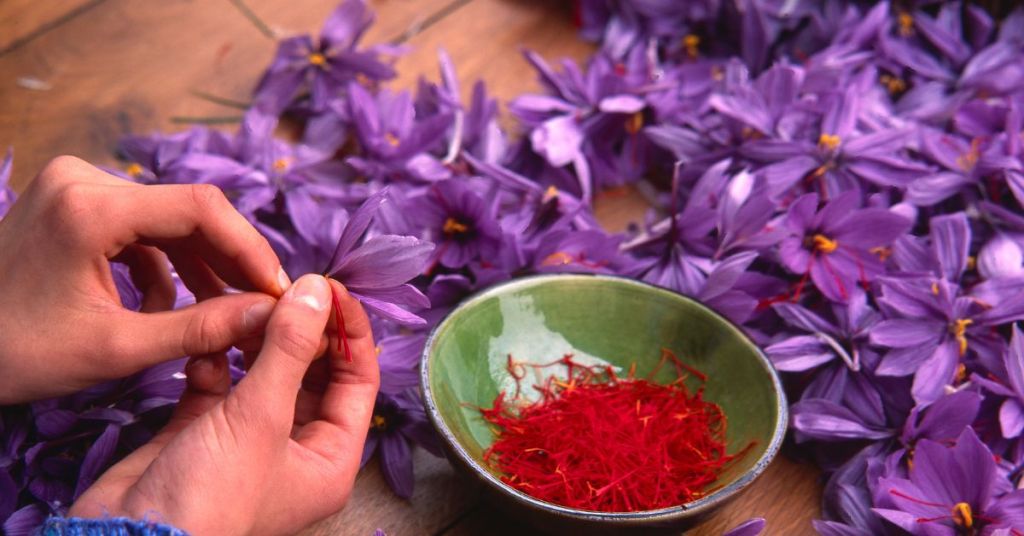
Saffron, often called “red gold,” comes from the crocus flower. It grows mainly in Iran, Spain, and India. This spice’s vibrant red threads add a rich color and a slightly bitter taste to dishes like paella and risotto. Moreover, saffron boasts health benefits. It contains antioxidants and even has mood-enhancing properties. Thus, it’s more than just a culinary delight; it’s a treasure for your health too.
Tasmanian Pepper: A Fiery Twist

Tasmanian pepper hails from the lush rainforests of Tasmania. Its fiery heat blends with hints of clove and cinnamon, giving it a unique kick. This spice is perfect for adding an Australian twist to both sweet and savory dishes. Additionally, it’s known for its bold, complex flavor, making it a favorite for adventurous cooks.
Zedoary (White Turmeric): A Citrus Infusion

A close cousin to turmeric, zedoary has a ginger-like flavor with a citrusy kick. This spice is popular in Indian and Southeast Asian cooking. Furthermore, it has long been used in natural medicine, particularly for aiding digestion. Thus, it’s not just a flavor enhancer but also a health booster.
Black Cardamom: A Unique Spice with Smoky Boldness
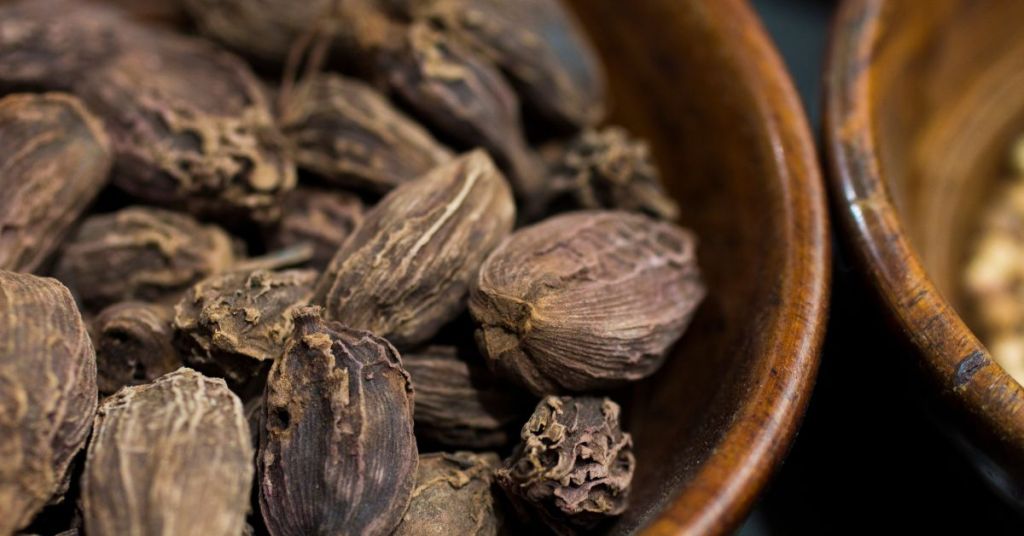
Harvested in the Himalayan forests, black cardamom brings a bold, smoky flavor. Its intense aroma makes it a favorite in Indian and Nepali cuisine. It’s perfect for dishes like stews and rice, where its deep, earthy flavors shine through. In addition, its unique flavor adds complexity to savory recipes.
Madagascar Vanilla: A Luxurious Flavor
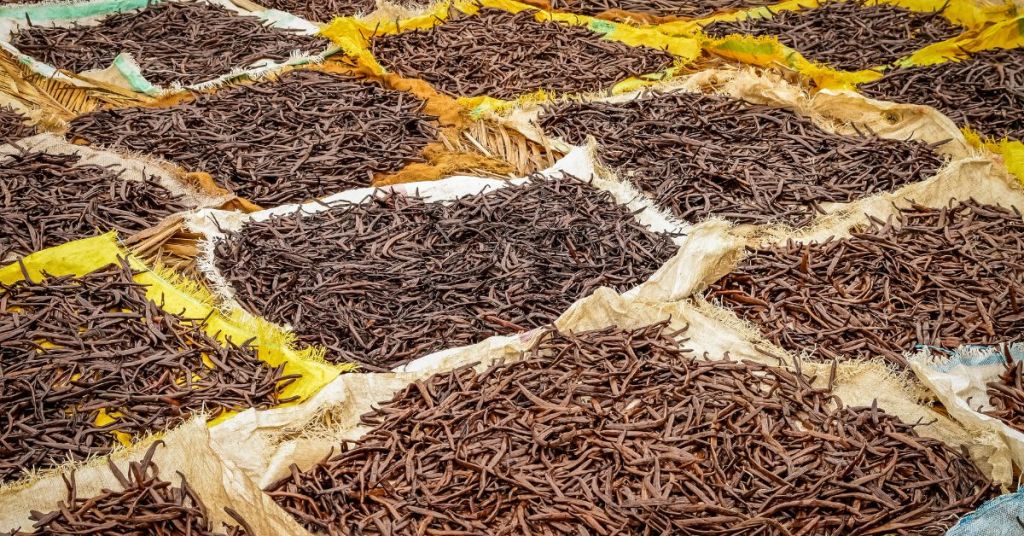
Madagascar vanilla beans are hand-pollinated to produce their rich, creamy flavor. This spice is a must-have in baking, adding luxury to both sweet and savory dishes. Furthermore, the beans’ deep, smooth taste makes them a staple in gourmet recipes. No wonder Madagascar vanilla is considered one of the finest in the world.
Grains of Paradise: A Unique Spice with Citrus Hints

Grains of paradise come from West Africa. These reddish-brown seeds have a peppery bite with subtle hints of citrus and cardamom. They are used in African stews, sauces, and even beverages. Moreover, their bold flavors add an exciting layer to many dishes, making them a unique culinary tool.
Mahlab: A Gourmet Spice with Nutty and Sweet Flavors
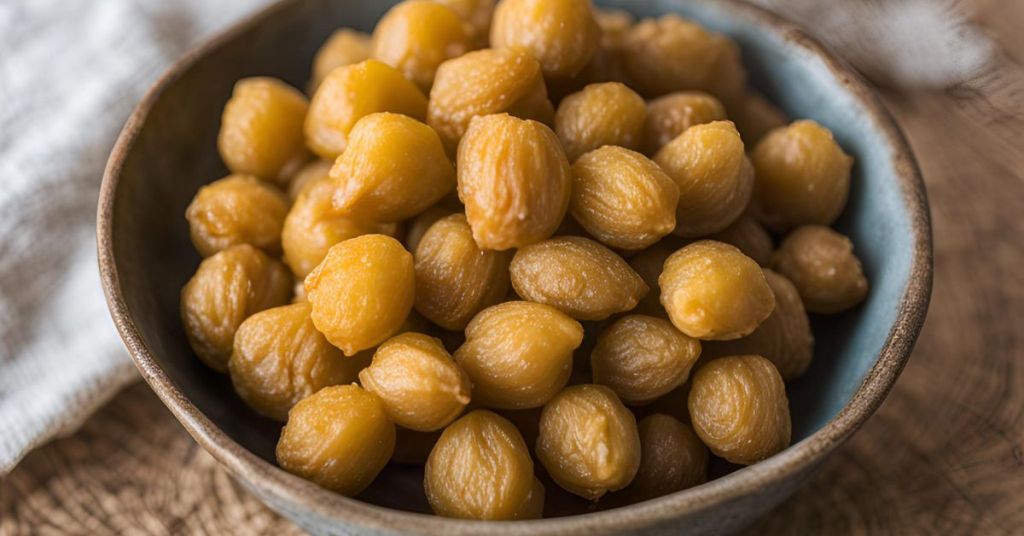
Mahlab is made from ground cherry kernels. It offers a flavor reminiscent of almonds and cherries, with a slight bitter edge. Commonly used in Middle Eastern desserts, pastries, and bread, it’s a great way to add depth to sweet treats. Thus, its sweet, nutty essence will take your baking to a new level.
Cubeb Pepper: A Bitter Kick
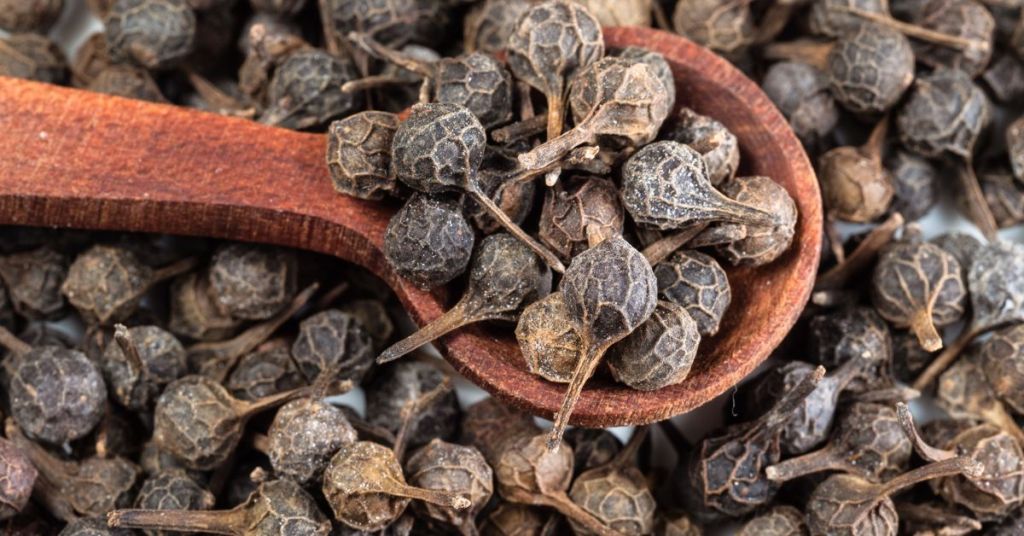
Cubeb pepper, from Java, Indonesia, adds a slightly bitter taste with a touch of allspice. It plays a key role in Middle Eastern and Southeast Asian cuisine, where it enhances the flavor of savory dishes. Additionally, it is perfect for seasoning meats and adding a unique heat to sauces.
Long Pepper (Pippali): A Spice of the Ancients

Long pepper, used since ancient Roman times, is more intense than black pepper. Its heat and sweetness make it versatile, perfect for both savory and sweet dishes. Thus, it’s an essential spice for adding complexity to a variety of meals.
Kaffir Lime Leaves: A Citrus Fragrance

Kaffir lime leaves are a staple in Thai and Southeast Asian cooking. These aromatic leaves add a vibrant, citrusy fragrance to curries, soups, and stir-fries. They bring a fresh, zesty punch that elevates the flavor of any dish.
Mastic Gum: A Pine-like Resin
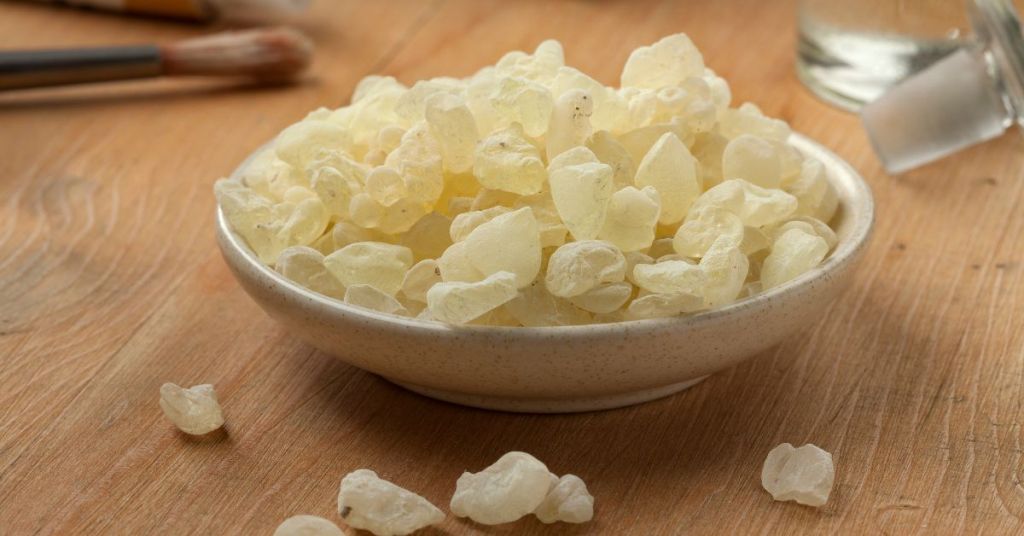
Mastic gum comes from trees on the Greek island of Chios. It has a resinous, pine-like aroma that’s perfect for Mediterranean desserts. Moreover, it has been used in traditional remedies for centuries. Its unique flavor makes it a key ingredient in both culinary and medicinal traditions.
Tonka Bean: A Complex Flavor Profile

Tonka beans are harvested from trees in South America, particularly in Brazil and Venezuela. These beans have a complex flavor, blending notes of vanilla, almond, and clove with a hint of cinnamon. They are prized in gourmet desserts and are used in both French and Latin American cuisine. Thus, tonka beans add depth and richness to your cooking.
Gourmet and Medicinal Uses of Rare Spices
craft innovative, exclusive dishes that both surprise and delight. In fact, rare spices don’t just enhance the taste of food—they bring a sense of adventure and luxury to every meal. Moreover, they help elevate the dining experience, adding a unique twist to classic recipes.
Beyond the kitchen, many rare spices also boast powerful medicinal properties. For centuries, systems like Ayurveda and Traditional Chinese Medicine have relied on them for healing. For example, saffron is renowned for its antioxidant properties and mood-boosting effects. Similarly, zedoary, a cousin of turmeric, is valued for its ability to aid digestion and reduce inflammation.
Furthermore, as more research uncovers the health benefits of these spices, their role in promoting overall well-being continues to expand. Interestingly, spices like black cardamom and long pepper are gaining attention for their potential to support immune function and improve respiratory health. Thus, these rare ingredients offer both culinary and medicinal benefits, making them invaluable additions to both kitchens and natural medicine cabinets.
Trade and Sustainability of Rare Spices
Trading rare spices presents several challenges. First, the high costs are a significant barrier. The scarcity of these spices and the labor-intensive harvesting process make them expensive. As a result, rare spices are often out of reach for the average consumer.
Additionally, logistics play a crucial role. These spices travel long distances from remote regions, which requires careful handling. Only then can their delicate qualities be preserved. Thus, their journey to market is complex and costly.
Sustainability is a growing concern. The rising demand for rare spices puts pressure on ecosystems and traditional farming methods. If farmers cannot keep up with demand, it may lead to overharvesting and environmental degradation. Therefore, promoting sustainable cultivation and ethical trade practices is essential. By doing so, we can ensure the long-term availability of these spices while also preserving the cultural heritage tied to them.
Rising Trends in the Market for Rare Spices and Seasonings
The gourmet market is rapidly embracing rare spices. Adventurous consumers are constantly seeking exotic flavors. Thanks to culinary tourism, online resources, and a growing interest in global cuisines, the demand for these unique ingredients has surged. As a result, chefs are pushing culinary boundaries by experimenting with rare spices. They’re bringing fresh, unexpected flavors into their kitchens, creating exciting new dishes.

Moreover, ongoing discoveries of new spices keep fueling this trend. Explorers are continuously uncovering rare varieties that expand the possibilities for flavor. These new findings provide fresh opportunities for communities involved in spice cultivation, helping them grow their local economies. In addition, they appeal to curious palates eager to explore novel sensations and enhance their culinary experiences.
Exploring Premium Spices with Global Appeal
Rare spices are not just ingredients—they are gateways to history, culture, and tradition. Each spice carries a story that connects us to the land and the people who cultivate it. Their unique flavors and aromas captivate the senses, offering more than just taste. They evoke memories of ancient trade routes and centuries-old customs, tying us to a rich heritage.
As such, it’s essential to appreciate rare spices responsibly. We must prioritize sustainable practices and ethical sourcing to ensure these treasures endure for future generations. By supporting responsible cultivation, we contribute to preserving both the environment and the cultural significance of these spices. For more on sustainable sourcing, visit Fair Trade Certified.
Looking ahead, rare spices will undoubtedly remain at the forefront of culinary innovation. They will continue to inspire chefs, influencing both gastronomic creativity and health trends. Whether in Michelin-starred kitchens or family meals, their allure will keep sparking curiosity and delighting palates around the world. If you’re curious about the role of spices in modern cuisine, check out those chef-recommended essential spices.