

Is there anything more satisfying than creating your own homemade cheesecake? This timeless dessert, known for its creamy texture and irresistible flavor, has been my favorite since I first discovered it. Making cheesecake from scratch is simpler than it seems and offers endless opportunities to customize every detail, from the crust to the filling.
In this guide, I’ll share what I’ve learned over the years—the tips, tricks, and even lessons from a few cracked tops. Whether you’re new to baking or already love cheesecake, this step-by-step guide will make the process easy and enjoyable.
Why Homemade Cheesecake is Worth the Effort
The Unique Appeal of Homemade Cheesecake
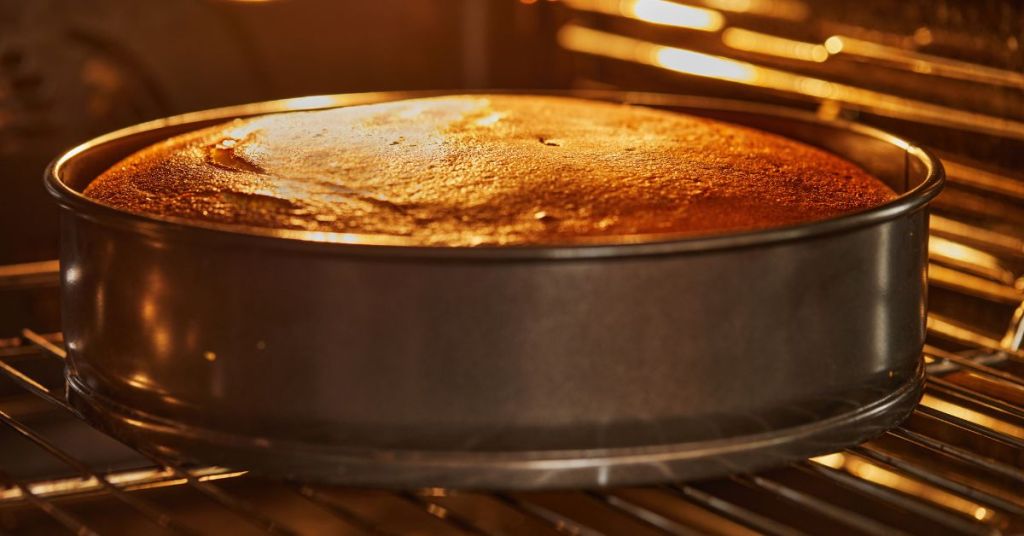
There’s something truly magical about a homemade cheesecake. Unlike the store-bought versions, which often prioritize shelf life over flavor, a homemade cheesecake is all about fresh ingredients and a personal touch. The creamy filling, the buttery crust, and the ability to adjust sweetness or add unique toppings make it stand out from the rest. Baking at home allows you to experiment and create a dessert that’s entirely yours—tailored to your taste and preferences.
A Personal Connection to Cheesecake

Homemade cheesecake became my dessert of choice the moment I first read about it in a culinary magazine. It was February 2007, and the magazine, Gula, featured an article about this dessert—a cake that is technically a pie. The story intrigued me, and I knew I had to try making it myself. At the time, living in Brazil, cheesecake wasn’t widely known, which made it feel even more special. Since then, I’ve baked countless versions—as you can see from the stains on the magazine pages, which I still keep to this day! Some cheesecakes cracked, others were slightly undercooked, but many turned out absolutely delicious. Each attempt taught me something new and deepened my appreciation for this iconic dessert.
Ingredients That Make All the Difference
The secret to a truly memorable cheesecake lies in its ingredients. For the filling, I’ve tried several brands of cream cheese over the years, but honestly, nothing compares to Philadelphia. Its smooth, creamy texture and perfectly balanced flavor make it the ideal choice. A splash of high-quality vanilla extract adds depth and enhances the natural sweetness of the filling, making every bite irresistible. For the crust, buttery digestive biscuits or classic graham crackers work beautifully, though in Brazil (and even in Miami, with its strong Latin culture), I often used Bolacha Maria, which was easy to find. Here in New Jersey, it’s less common, so I’ve learned to adapt with local options.
With just a few carefully chosen ingredients, you can create a cheesecake that’s rich, indulgent, and utterly delicious.
The Tools You’ll Need to Get Started
Must-Have Equipment for Homemade Cheesecake
While you can make a cheesecake with tools you already have in your kitchen, some equipment can make the process much easier and the results more consistent. A springform pan is highly recommended for easy removal and professional-looking presentation. A stand mixer or handheld electric mixer helps achieve the smooth, lump-free filling that cheesecake is known for. Other helpful tools include a silicone spatula, a whisk, and a baking sheet for a bain-marie (water bath). While not all of these are strictly necessary, they can significantly improve your cheesecake-making experience.
Can You Make Cheesecake Without a Springform Pan?

A springform pan is the preferred choice for making cheesecake, but it’s not the only option. If you don’t have one, you can use alternatives like a deep pie dish, a round cake pan, or even ramekins for individual servings. Be sure to line the pan with parchment paper or grease it thoroughly to avoid sticking. Though the removal process might be trickier without a springform pan, the taste and texture of your cheesecake will remain just as delicious. Adapting to what you have in your kitchen allows for a creative approach to baking.
Preparing Your Workspace for Baking Cheesecake from Scratch
A well-organized workspace is the foundation of successful homemade cheesecake baking—and it’s a principle I never skip. As an absolute fan of mise en place and kitchen organization, I firmly believe that preparation sets the tone for the entire process. Start by gathering all your ingredients and tools before you begin. Clear off your countertops and ensure you have enough space to mix, pour, and prepare. Preheat your oven, grease your pan, and measure out ingredients in advance to avoid rushing. Having everything ready and within reach not only saves time but also helps you stay focused and enjoy the process.
Step-by-Step Guide to Making the Perfect Cheesecake
Crafting the Crust: A Solid Foundation
The crust is the foundation of any great homemade cheesecake, and it’s surprisingly simple to prepare. For a classic base, crushed graham crackers or buttery digestive biscuits work beautifully. Mix the crumbs with melted butter and a touch of sugar for sweetness, then press the mixture firmly into the bottom of your springform pan or chosen alternative. If you’re feeling adventurous, you can try a homemade crust using finely ground nuts or even chocolate cookies for added flavor. Pre-baking the crust for 8–10 minutes ensures it stays crisp and supports the creamy filling perfectly.
Baking and Cooling: The Secrets to Avoiding Cracks
Baking a homemade cheesecake to perfection requires a gentle, even approach. Use a water bath (bain-marie) to create a moist environment that prevents the top from cracking. Wrap your springform pan in foil to avoid leaks, and place it in a larger pan filled with hot water. Bake at a low temperature, around 325°F (160°C to 180°C), until the edges are set but the center still jiggles slightly. Once baked, let the cheesecake cool gradually in the oven with the door slightly ajar to prevent sudden temperature changes.
After cooling, refrigerate the cheesecake for at least 4–6 hours to set. However, if you can resist the temptation (I know it’s hard when there’s such a treasure waiting in the fridge!), I recommend preparing it more than 24 hours in advance. The extra time allows the flavors to develop fully and the texture to become even more luscious. Trust me, the wait is worth it!
Troubleshooting Common Cheesecake Problems

What to Do If Your Homemade Cheesecake Cracks
Cracks on the surface of your cheesecake can be disappointing, but they’re surprisingly easy to avoid and fix. The most common cause is overmixing or baking at too high a temperature. To prevent this, mix the batter on low speed and bake your simple cheesecake at a consistent low to medium temperature (160°C to 180°C). If cracks still appear, don’t worry—it’s nothing a layer of whipped cream or fresh fruit can’t hide. Cheesecake is forgiving, and these small imperfections won’t affect its flavor.
How to Fix an Undercooked or Overbaked Cheesecake
Cooking cheesecake to the perfect consistency can be tricky, but there are simple ways to manage this. An undercooked cheesecake will wobble excessively in the center and may not set properly. To fix this, return it to the oven at a low temperature for 10–15 minutes and check frequently. On the other hand, if your homemade cheesecake is overbaked and has a dry texture, a simple cheesecake hack is to top it with a generous amount of fruit compote or chocolate sauce. The moisture from the toppings will help balance out the dryness.
Maintaining Creaminess: Tips for a Velvety Texture
Achieving that signature creamy texture is what makes a simple cheesecake so satisfying. Start by using high-quality cream cheese and ensuring it’s at room temperature before mixing. Avoid overmixing to prevent air from being incorporated into the batter, which can lead to a dense texture. Baking in a water bath is another simple but effective technique to retain moisture. Finally, allow your cheesecake to rest in the refrigerator for at least 6 hours to set properly, but if you have the time (and patience), letting it chill for 24 hours will give the flavors and texture even more time to develop to perfection.
Creative Cheesecake Toppings and Flavor Variations
Classic Toppings: Fruit, Whipped Cream, and More
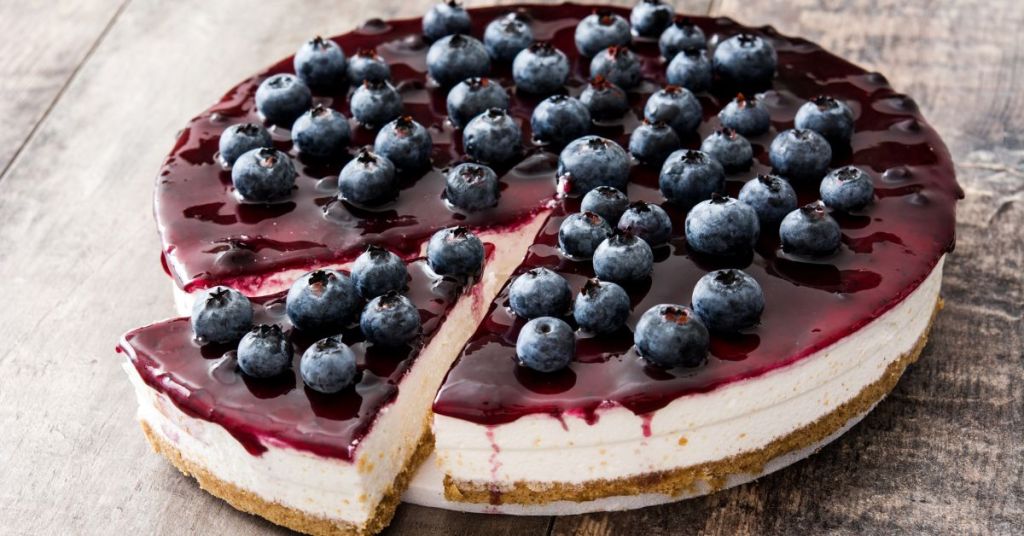
Classic cheesecake toppings are loved for their simplicity and timeless appeal. Fresh fruits like raspberries, blueberries, or strawberries bring vibrant color and a tangy balance to the creamy filling. Whipped cream adds a light, airy touch that pairs beautifully with the richness of the cheesecake. For an indulgent option, drizzle chocolate or caramel sauce over the top.

In Brazil, we often draw inspiration from our beloved combination of guava paste and cheese, which we call Romeu e Julieta. This pairing translates beautifully to cheesecake when topped with guava compote—a distinctly Brazilian twist that’s both nostalgic and delicious. Whether you stick to these classics or explore new ideas, simple additions can elevate your cheesecake without overpowering it.
Unique Flavor Twists: From Butterfly Pea Flower to Salted Caramel
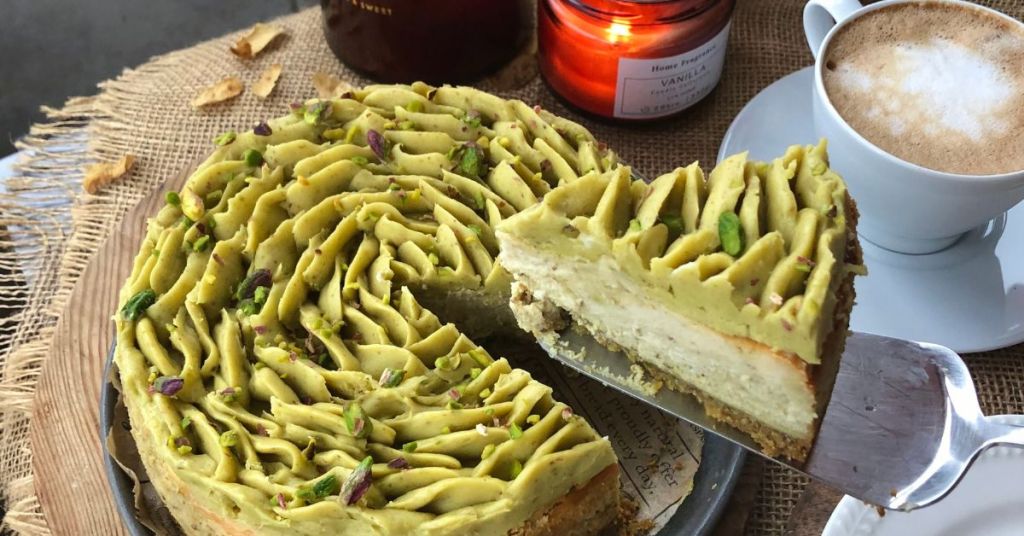
For those who love experimenting with creative flavors and colors, there’s plenty of room to innovate with cheesecake. Butterfly pea flower, for instance, can be used to naturally color the filling or glaze with stunning shades of blue or purple, adding a visual “wow” factor. Salted caramel remains a favorite for its balance of sweet and salty, especially when generously drizzled over the top. Pistachios, whether finely chopped or turned into a creamy glaze, add a nutty richness and a pop of green that’s as beautiful as it is delicious.
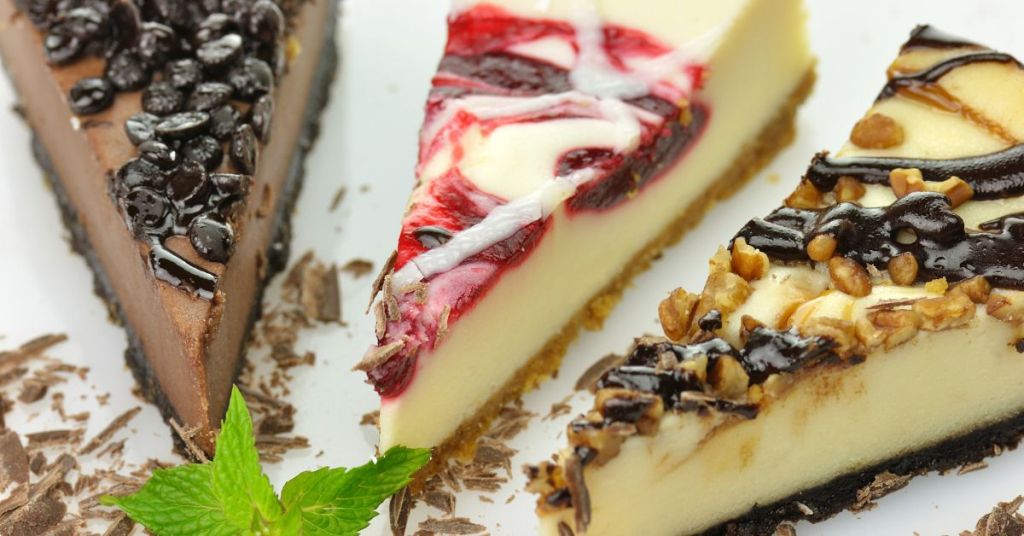

Crushed cookies, toasted coconut flakes, or candied nuts can also bring unique textures and flavors. These options turn a simple cheesecake into an eye-catching and indulgent dessert.
Seasonal Favorites: Perfect Homemade Cheesecake for Any Occasion
Cheesecake is incredibly versatile, making it easy to customize for any season or celebration. In summer, fresh mango slices or berry compotes bring lightness and freshness. For fall, warm flavors like caramelized apples or pumpkin spice whipped cream are a perfect match. During the holidays, crushed peppermint candies or a festive cranberry glaze make for elegant and seasonal desserts.
Serving and Storing Your Homemade Cheesecake
How to Slice Cheesecake Like a Pro
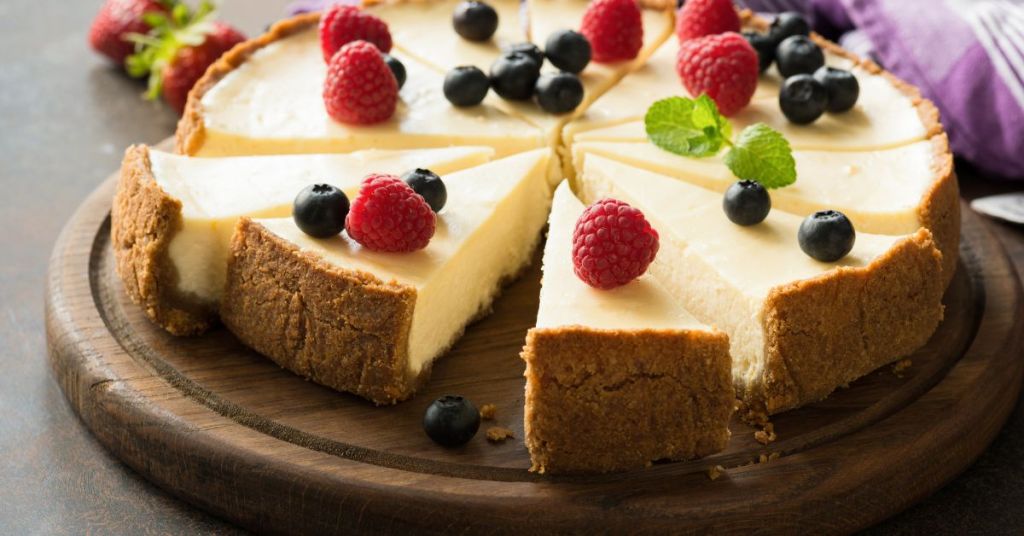
Slicing cheesecake can be tricky, but with a few simple tips, you can achieve clean, professional-looking slices every time. Start by using a sharp knife dipped in hot water and wiped dry between each cut. This prevents the creamy filling from sticking to the blade. For the best results, cut straight down without dragging the knife.
If you’re preparing the cheesecake in advance or serving at a gathering, consider pre-cutting the slices. To make serving even easier, place small squares of parchment paper between each slice. This prevents the slices from sticking together and allows guests to serve themselves without hassle. Whether it’s a simple cheesecake or one with delicate toppings like fruit compote, these techniques ensure a flawless presentation that’s just as appealing as the flavor.
Tips for Storing Leftovers Without Losing Freshness
To keep your cheesecake fresh and delicious, proper storage is essential. While some say a cheesecake can last up to five days in the fridge, I find it hard to believe one could survive more than two days—who can resist? I’ve even been known to enjoy a slice for breakfast!
The best way to store cheesecake, especially one with toppings, is in an airtight glass container with a lid. This prevents it from drying out, protects delicate toppings, and keeps it free from absorbing any unwanted fridge odors. Proper storage ensures every bite remains as delightful as the first, even if the cheesecake disappears faster than expected.
Bringing Cheesecake Dreams to Life
Making cheesecake at home is more than just baking—it’s an experience that blends creativity, learning, and a lot of delicious rewards. From crafting the perfect crust to mastering a creamy filling, each step brings you closer to a dessert that’s uniquely yours. The beauty of a homemade cheesecake lies in its versatility: whether you top it with classic strawberry compote, experiment with guava-inspired Romeu e Julieta, or create something entirely your own, the possibilities are endless.
With the tips shared here, like using the right tools, avoiding common pitfalls, and perfecting your storage techniques, you’re set up for cheesecake success. Remember, the process doesn’t have to be perfect—cheesecake is forgiving, and even the simplest version is always a crowd-pleaser.
Now it’s your turn! Try these ideas and make your own homemade cheesecake creation. Whether it’s for a special occasion or just a sweet breakfast indulgence (we’ve all been there), your efforts will be worth every bite. Don’t forget to share your stories and photos with us in the comments or explore more dessert inspiration on the blog. Your cheesecake journey has just begun, and we can’t wait to see what you’ll create!