

Your Complete Guide to Freshness and Flavor
Grow herbs indoors and transform your home into a haven of flavor and freshness. It all started with my husband, Tomás, and a small basil plant. One day, he brought it home to add some greenery to our kitchen. Since then, his love for plants has blossomed into a thriving indoor herb garden that supplies us with fresh herbs all year.
This simple project has brought unexpected benefits. Not only do we have fresh parsley, mint, and rosemary at our fingertips, but it also became Tomás’s escape from the stress of work. After a busy day, you can find him tending to the plants, finding calm in the process. Cultivating herbs at home has truly enriched our lives.
If you’ve ever thought about starting your own indoor herb cultivation, this guide is for you. You’ll learn how to choose the best herbs for your indoor garden, set up your space, and care for your plants. With practical tips and creative ideas, growing fresh herbs will feel easy and rewarding.
By the end of this post, you’ll know how to create a beautiful and productive herb garden, no matter your space. Ready to start? Let’s dive in!
Why Grow Herbs Indoors? The Benefits That Transform Your Home

When you decide to grow indoor herbs, you unlock the potential of spaces you may never have considered before. Whether it’s a basement, an unused corner, or even a windowsill, growing herbs indoors transforms these overlooked areas into vibrant gardens. Beyond flavor and greenery, an indoor herb garden offers sustainability, cost savings, and aesthetic appeal that enrich your home and life.
Cultivate Herbs at Home Anytime
Picture this: it’s the middle of winter, and you’re preparing a warm, comforting stew. Instead of reaching for a dried spice jar, you head to your indoor herb garden. There, lush sprigs of rosemary and thyme are ready to be harvested, filling your home with their vibrant aroma. This is the magic of growing herbs indoors.
With proper care, you’ll have access to fresh ingredients no matter the season. You won’t need to depend on store-bought herbs that lose their flavor after a few days. Herbs like mint, basil, and oregano thrive in controlled indoor environments, offering their full aroma and taste whenever you need them.
Tomás and I turned a small, unused area of our basement into a greenhouse. What started as a few pots has grown into a flourishing garden. We never imagined how much joy it would bring to our lives. You can do the same—choose a forgotten corner of your home and watch it transform into a lush herb sanctuary.
Growing your own herbs is not just convenient; it’s also incredibly rewarding. The experience of plucking fresh leaves just as you need them brings unmatched satisfaction and flavor to your dishes.
Grow Indoor Herbs and Reduce Waste
Store-bought herbs often come with a hefty price tag, not to mention unnecessary plastic packaging. When you cultivate herbs at home, you eliminate these costs and enjoy fresh, pesticide-free ingredients.
A small initial investment in seeds, pots, and soil can yield a bounty of herbs that will last for months or even years. Compared to constantly buying fresh herbs, the savings add up quickly. Beyond the financial benefits, you’ll also reduce your carbon footprint. Growing herbs indoors eliminates the need for transport and packaging, making it a more sustainable choice.
Tomás often mentions how satisfying it is to avoid waste. We harvest only what we need, leaving the plants to keep growing. This simple shift has changed how we think about food and sustainability.
By turning unused spaces into functional gardens, you’re not just saving money—you’re contributing to a healthier planet while enjoying fresh, flavorful meals every day.
Aesthetic and Functional Appeal
An indoor herb garden doesn’t just provide fresh ingredients—it also enhances your living space. When you grow herbs indoors, you create a unique, decorative element that blends functionality and style. With kitchen herb planters, hanging baskets, or sleek vertical setups, you can add a natural, vibrant touch to any room.
When Tomás and I started our basement garden, we didn’t expect it to become a centerpiece of our home. Visitors are always amazed by the greenery, and it’s one of the first things they comment on. The vibrant plants bring life and energy, creating an inviting atmosphere that’s hard to replicate with store-bought decor.
You don’t need a large space to make this work. Compact herb gardening solutions, like wall-mounted planters or stackable pots, can turn even the smallest corners into lush green spaces. Whether your garden is in the basement, a sunny windowsill, or an empty shelf, when you grow herbs indoors, the results are both beautiful and functional.
Indoor herb cultivation is more than practical—it’s transformative. A simple setup can inspire creativity in the kitchen, add vibrancy to forgotten spaces, and even become a talking point when friends visit.
Choosing the Best Herbs for Your Indoor Garden

When planning your indoor herb garden, selecting the right plants is crucial for success. The best herbs for indoor gardens are those that thrive in small spaces, adapt well to containers, and offer versatility in your kitchen. Whether you’re a beginner, looking to experiment with unique flavors, or hoping for fast results, there’s an herb for every need. Let’s explore some great options to help you get started.
Beginner-Friendly Herbs: Start Your Indoor Herb Cultivation with Ease
For those new to gardening, certain herbs are more forgiving and easy to grow. Beginner-friendly herbs like basil, parsley, mint, and chives are perfect for building confidence while enjoying immediate benefits.
- Basil: A kitchen staple, basil grows quickly and thrives in sunny indoor spots. Its leaves add bold flavor to pastas, salads, and sauces.
- Parsley: A hardy herb that tolerates various light conditions, parsley is a versatile addition to soups and garnishes.
- Mint: Known for its refreshing aroma, mint is incredibly resilient. It’s ideal for teas, desserts, or even mojitos.
- Chives: With their mild onion flavor, chives are easy to grow and add a fresh kick to eggs, potatoes, or dips.
These herbs not only grow well in kitchen herb planters, but they also thrive in small pots, windowsills, or even vertical gardens. They’re excellent choices for beginners who want fast results and minimal effort.
Herbs for Flavor Variety: Elevate Your Indoor Garden
Once you’ve mastered the basics, consider expanding your garden with herbs that bring unique flavors and aromas. These options add depth to your dishes and take your cooking to the next level:
- Thai Basil: Offers a spicy-sweet flavor that’s perfect for stir-fries and curries.
- Tarragon: Known for its subtle anise flavor, it’s excellent in chicken, fish, or creamy sauces.
- Oregano: A Mediterranean classic that pairs beautifully with pizza, roasted vegetables, and tomato-based dishes.
These herbs thrive indoors with a bit of extra care. Place them in containers with good drainage and rotate them occasionally for even growth. Not only will your meals taste more sophisticated, but your garden will also become a conversation starter for guests.
Fast-Growing and Low-Maintenance Options: Quick Wins for Your Indoor Herb Garden
f you’re short on time but eager to see results, focus on fast-growing and low-maintenance herbs. These options require minimal care but deliver maximum rewards:
- Cilantro: Grows quickly and is perfect for adding a burst of flavor to tacos, salsas, or soups.
- Dill: Fast to germinate and great for pickling, dill also enhances fish and potato dishes.
- Lemongrass: While technically a grass, it’s easy to grow indoors and brings a citrusy punch to Asian dishes.
These herbs are particularly suited for compact herb gardening, making them ideal for small spaces. With the right conditions—light, water, and well-draining soil—you’ll enjoy quick harvests and flavorful meals in no time.
Setting Up Your Indoor Herb Garden: A Step-by-Step Guide

Creating a successful indoor herb garden starts with a solid setup. When you grow herbs indoors, choosing the right space, tools, and strategies ensures your plants will thrive. Even if you’re short on space, small space gardening opens up endless possibilities for growing flavorful herbs. With a little creativity and planning, even the tiniest areas can become lush, green havens. Learning to grow herbs indoors isn’t just practical—it’s also a rewarding way to connect with nature.
Choosing the Right Space: Maximizing Small Space Gardening
The first step in setting up your indoor herb garden is finding the perfect location. While kitchens and windowsills are popular, don’t overlook unused areas like basements, empty corners, or even wall-mounted setups. These often-forgotten spaces are perfect for compact herb gardening solutions.
Ideas to maximize small spaces:
- Vertical gardens: Install shelves or hanging planters on walls to save space while adding visual appeal.
- Countertop setups: Use small containers or stackable planters to create an organized herb garden.
- Basement gardens: Grow lights can transform a dark basement into a thriving indoor garden.
Whether you’re creating a vertical garden or setting up pots on a shelf, these ideas make small space gardening not only practical but also enjoyable. Choosing an underused space to grow herbs indoors ensures your plants thrive and adds greenery to your home.
Essential Tools and Materials: Your Indoor Gardening Starter Kit
To successfully grow herbs indoors, you’ll need some basic tools and materials. Investing in quality supplies at the beginning will save you time and effort later.
Must-have items for compact herb gardening:
- Planters: Choose pots with drainage holes to prevent waterlogging. Self-watering containers are especially helpful in small space gardening setups.
- Soil: Use a well-draining potting mix specifically designed for herbs. Avoid garden soil, as it may not drain properly indoors.
- Grow lights: If natural light is limited, invest in LED grow lights that mimic sunlight.
- Moisture meters: These help monitor soil hydration, ensuring your herbs receive the right amount of water.
- Trays and liners: Protect your surfaces from spills and excess water.
With these tools, cultivating herbs at home becomes a smooth and rewarding experience. Plus, compact options like stackable planters and foldable trays keep your garden organized and functional.
Avoiding Common Pitfalls: Troubleshooting for Small Space Gardening
Even in the most well-thought-out setups, challenges can arise when you grow herbs indoors. Addressing common problems early will help keep your plants thriving.
Key pitfalls to watch out for:
- Overwatering: Herbs need well-drained soil to avoid root rot. Use pots with drainage holes and water only when the top inch of soil feels dry.
- Insufficient light: Herbs like basil and thyme need consistent light. If natural sunlight isn’t available, grow lights are essential for compact herb gardening.
- Pests: Indoor gardens aren’t immune to pests like aphids or spider mites. Regularly inspect plants and use natural solutions like neem oil to keep pests at bay.
When you embrace these tips, small space gardening becomes an easy and enjoyable process. Keeping an eye on these details will ensure your garden stays healthy and productive.
Caring for Your Indoor Herb Garden
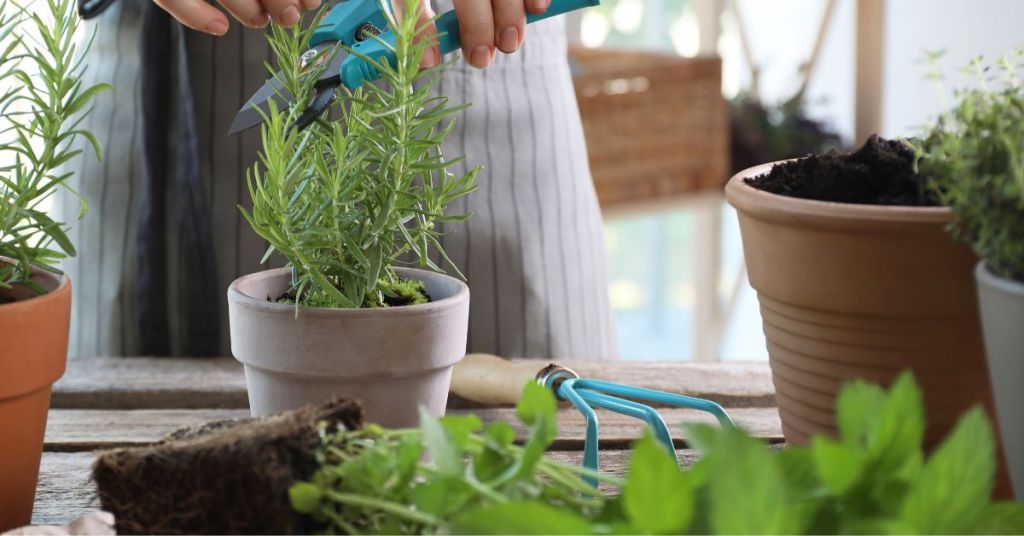
Once your indoor herb garden is set up, consistent care ensures your plants remain healthy and productive. Proper herb garden care is simple when you understand the basics of watering, feeding, pruning, and monitoring your plants. With a little attention, your herbs will thrive and provide endless fresh flavors for your meals.
Watering and Feeding Tips: Essential Indoor Herb Care
Watering and feeding are at the heart of successful herb garden care. Indoor plants require a balance of hydration and nutrients to grow well, and understanding their needs will save you from common mistakes.
Watering Tips:
- Always check the soil before watering. The top inch should feel dry but not parched.
- Use pots with drainage holes to prevent water from pooling and causing root rot.
- For herbs like mint and parsley, keep the soil consistently moist, but avoid sogginess. Drought-tolerant herbs like rosemary prefer drier conditions.
Feeding Tips:
- Choose organic fertilizers designed for herbs. Liquid fertilizers can be diluted and applied every 3–4 weeks.
- Avoid over-fertilizing, as this can lead to excessive growth with less flavor.
By establishing a regular watering and feeding routine, your indoor herb garden will flourish with minimal effort. The key is consistency and attentiveness to each herb’s unique needs.
Pruning for Health and Growth: Keep Your Indoor Herb Garden Thriving
Pruning is an essential part of indoor herb care, promoting healthy growth and preventing plants from becoming overgrown. Regular trimming encourages herbs to grow bushier and stay productive.
Practical Pruning Tips:
- Use clean, sharp scissors or pruning shears to avoid damaging the plant.
- Always trim just above a leaf node (the point where leaves meet the stem) to stimulate new growth.
- For herbs like basil, regularly pinch off the top leaves to prevent flowering and maintain flavor.
Pruning also helps manage the size of your plants, making them easier to maintain in indoor spaces. By removing dead or damaged leaves, you’ll keep your garden looking vibrant and healthy.
Monitoring Plant Health: Spotting and Solving Problems Early
A critical aspect of herb garden care is recognizing signs of stress in your plants. Early detection allows you to address issues before they affect the entire garden.
Signs to Monitor:
- Yellowing leaves: This often indicates overwatering or nutrient deficiencies. Adjust your watering routine or consider a light application of fertilizer.
- Leggy growth: If your herbs have long, thin stems with few leaves, they may not be getting enough light. Move them to a brighter spot or add grow lights.
- Pests or mold: Check leaves and soil regularly for signs of pests like aphids or spider mites. Use neem oil or wipe leaves gently with soapy water to remove them.
Regular care and attention to detail will keep your indoor herb garden thriving. A little monitoring goes a long way toward ensuring your plants remain healthy and productive.
Creative Kitchen Herb Garden Ideas for Your Home
Transforming your home into a lush, green oasis is easier than you might think. With a bit of creativity and the right kitchen herb garden ideas, even small spaces can bloom into stunning, functional gardens. Whether you’re looking to make a statement or simply add convenience to your indoor setup, there’s an option for everyone.
Countertop Herb Gardens: Style Meets Functionality
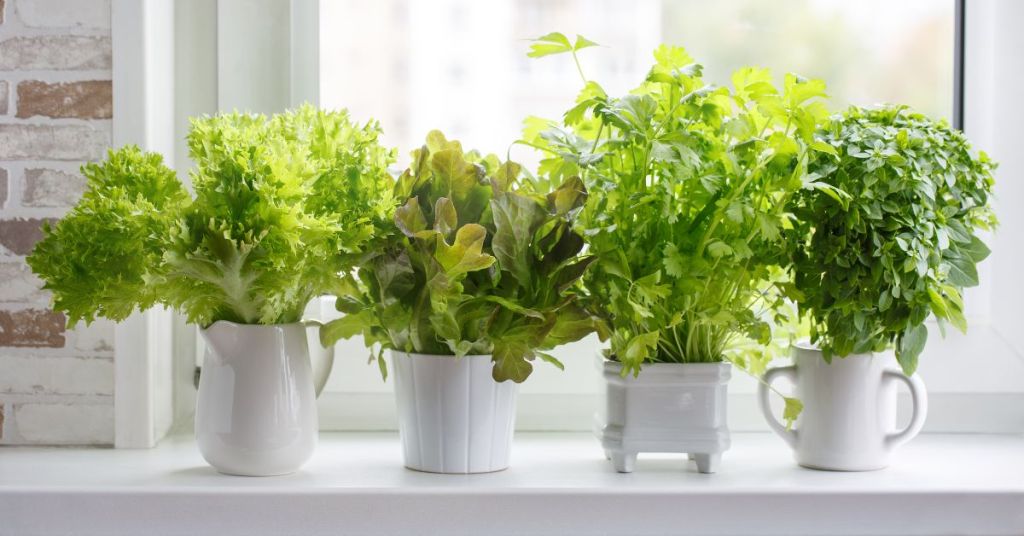
If you’re short on space, countertop herb gardens are a fantastic solution. They’re not only compact but also add a decorative touch to your home. Plus, having fresh herbs right on your counter makes cooking so much easier.
Why Countertop Gardens Work:
- They keep herbs within arm’s reach for quick access while cooking.
- You can use stylish planters that match your décor, such as ceramic pots, mason jars, or minimalist containers.
- Most herbs, like basil, parsley, and mint, thrive in countertop setups with proper light.
Pro Tip: To keep it simple, try grouping herbs with similar water and light needs in the same area. This way, maintenance becomes even more manageable. And because they’re so visible, countertop herb gardens remind you to water and prune regularly.
Hanging Herb Gardens: Save Space in Style
For those tight on surface space, hanging herb gardens are an absolute game-changer. Not only do they save room, but they also bring a modern, chic vibe to your home. It’s an innovative and stylish way to grow herbs indoors, even in the smallest spaces.
Why Hanging Gardens Are Perfect:
- They use vertical space effectively, making them ideal for small apartments or kitchens.
- You can create a living wall by using shelves, baskets, or even repurposed items like old jars or tea tins.
- Herbs like thyme, oregano, and rosemary work particularly well in hanging setups because they don’t require heavy soil.
Additionally, placing hanging gardens near windows maximizes natural light, ensuring your herbs stay healthy. And let’s be honest—there’s something magical about having a cascading wall of greenery in your home. It’s both functional and breathtaking.
Tech-Enhanced Gardens: For the Busy Gardener
Let’s face it: not everyone has time to water and check on their plants every day. That’s where tech-enhanced gardening systems come in. These modern kitchen herb garden ideas use technology to make herb gardening virtually foolproof.
Why Smart Gardens Are Worth It:
- Automated watering systems ensure plants are hydrated, even if you forget.
- Built-in grow lights provide consistent lighting, no matter where your garden is located.
- Compact, sleek designs fit seamlessly into any home, even if space is limited.
For busy individuals, these systems are lifesavers. Brands like AeroGarden offer setups that can grow herbs like basil, cilantro, and even lavender with minimal effort. While they may cost a bit more upfront, the convenience they bring is absolutely worth it.
By using these creative kitchen herb garden ideas, you’ll not only grow fresh herbs but also add personality to your home. From countertop gardens that double as décor to smart systems that do the work for you, the possibilities are endless.
Troubleshooting Common Problems in Indoor Herb Gardening
Even with the best setup, challenges can arise in your indoor herb cultivation. Whether it’s a lack of light, unwelcome pests, or struggling plants, these issues are surprisingly common. The good news? They’re easy to fix with a bit of know-how and some practical tips. Let’s dive into how to solve these problems and keep your compact herb gardening thriving.
Addressing Light Issues: Keeping Your Herbs Bright and Healthy

One of the most common challenges in indoor herb gardening is insufficient light. Without proper lighting, herbs can become leggy, pale, or stop growing altogether. However, there’s no need to worry—there are simple solutions to ensure your plants get the light they need.
Solutions for Light Issues:
- Maximize natural light: Move your plants to the brightest spot in your home, such as a sunny windowsill. Rotate the pots regularly so all sides receive light evenly.
- Add grow lights: If natural light is limited, invest in affordable LED grow lights. These mimic sunlight and can be adjusted to suit your plants’ needs.
- Reflect light: Use mirrors or white surfaces around your plants to bounce light and enhance brightness.
For Tomás and me, grow lights made all the difference in our basement herb garden. With just a small setup, we turned a dark, unused space into a lush, thriving garden. You can do the same in any area with low light.
Tackling Pests Naturally: Protecting Your Indoor Herb Garden
Pests can sneak into your indoor herb cultivation even if you’re careful. Tiny invaders like aphids, spider mites, or whiteflies can damage your plants if left unchecked. Luckily, you don’t need harsh chemicals to keep them at bay.
Eco-Friendly Pest Solutions:
- Neem oil: A natural pesticide, neem oil is safe for indoor use and effective against most pests. Simply dilute it with water and spray directly on the leaves.
- Soapy water: Mix a few drops of dish soap with water and gently clean the affected areas. This suffocates pests without harming your plants.
- Companion planting: Add herbs like lavender or basil, which naturally repel many insects.
Regularly inspect your herbs for signs of pests, especially on the undersides of leaves. Catching infestations early makes them much easier to manage.
Reviving Struggling Plants: Bringing Herbs Back to Life
Even with careful compact herb gardening, plants can sometimes look droopy or develop yellowing leaves. Before giving up on them, take a closer look—most issues are reversible with simple adjustments.
Steps to Revive Your Herbs:
- Check the soil: Overwatering is a common cause of drooping. Let the soil dry out slightly before watering again.
- Examine the roots: If roots are tangled or growing out of the pot, it’s time to replant in a larger container with fresh soil.
- Boost light exposure: Move the plant to a brighter spot or add supplemental grow lights to encourage healthy growth.
- Prune damaged areas: Remove any yellowing or dead leaves to redirect the plant’s energy toward new growth.
I’ll never forget the time Tomás rescued our cilantro plant. After nearly giving up, he repotted it, moved it to better light, and within a week, it was thriving again. Small changes can make a big difference!
Troubleshooting may seem intimidating at first, but with these tips, you’ll feel confident tackling any challenges that come your way. Remember, every plant has its quirks, but with attention and care, your indoor herb cultivation will continue to flourish.
Expanding Beyond Herbs: Ideas for Advanced Indoor Gardening
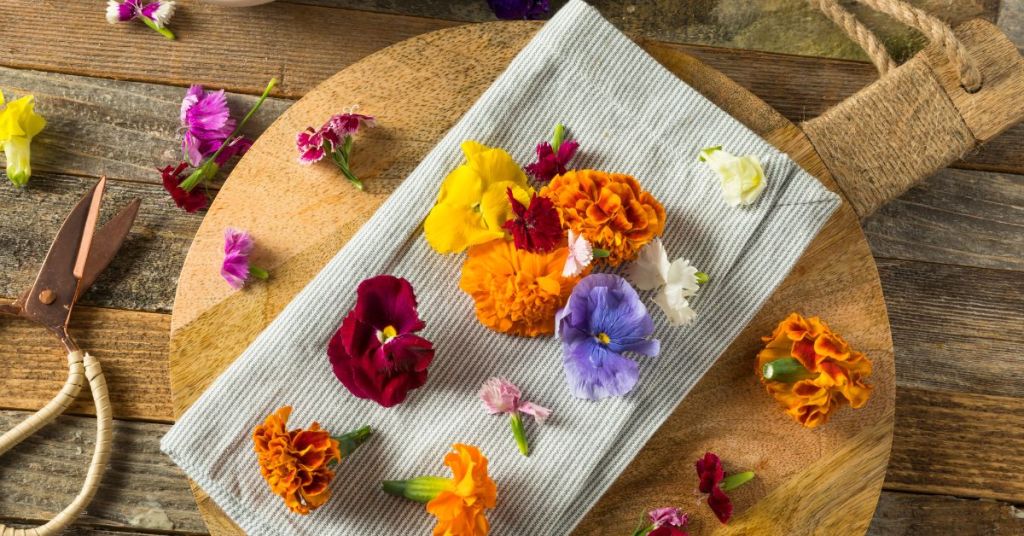
Once you’ve mastered growing herbs indoors, the possibilities expand far beyond basil and mint. Indoor gardening allows you to experiment with microgreens, edible flowers, and even vegetables, all within the comfort of your home. Whether you’re interested in enhancing your meals or creating a full-scale indoor garden, small space gardening can accommodate it all.
Tomás started with just a few herb pots, but today our indoor garden is thriving with life. With the right equipment, like the complete line of products from Vivosun, we’ve expanded to include potatoes, peppers, zucchini, and leafy greens such as arugula, lettuce, and spinach. Soon, we’ll even be harvesting strawberries! With a bit of creativity, effort, and investment, you can achieve amazing results like these too.
While common herbs like basil and mint are staples in many gardens, exploring rare and unique herbs can take your indoor gardening to the next level. Discover fascinating options in our post on Rare Spices Unlocked and expand your indoor herb collection with unexpected flavors and aromas.
Adding Microgreens and Edible Flowers: Tiny Plants with Big Impact
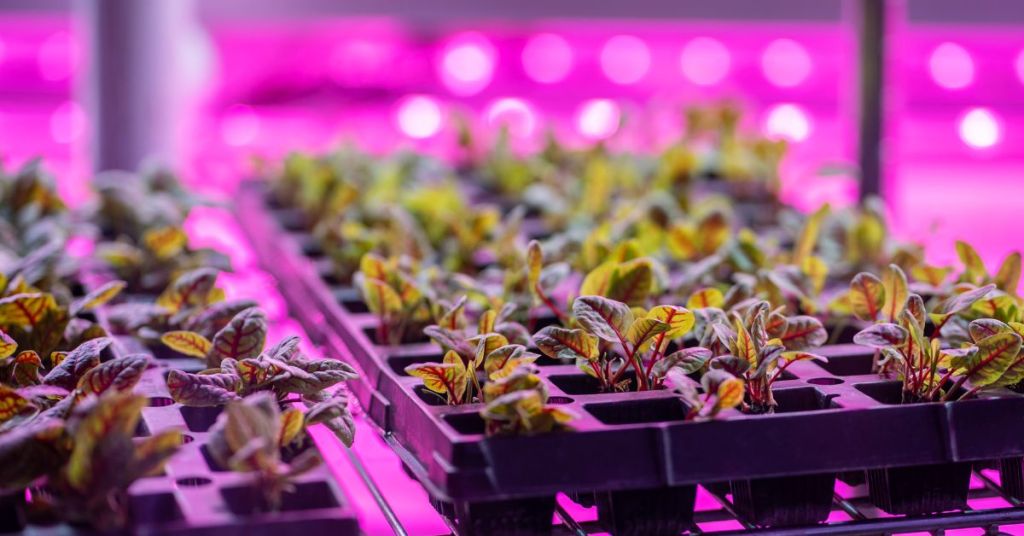
Microgreens and edible flowers are perfect additions to an indoor garden. Not only do they elevate your cooking, but they also grow quickly and take up very little space.
Why Microgreens?
- These nutrient-packed greens are ideal for salads, sandwiches, and garnishes.
- Varieties like radish, sunflower, and broccoli are easy to grow indoors, even on a windowsill.
- They’re ready to harvest in as little as two weeks, making them a rewarding choice for beginners and advanced gardeners alike.
Edible Flowers for Color and Flavor:
- Flowers like nasturtiums, pansies, and marigolds add vibrant color to your dishes.
- They grow well in small containers and thrive indoors with moderate light.
Tomás and I love using nasturtiums to garnish salads or cocktails. Their peppery flavor and striking appearance always impress guests. Adding these plants to your indoor setup will take your garden and meals to the next level.
Transitioning to Hydroponics: The Next Step in Small Space Gardening
Hydroponics is an advanced method of gardening that uses water instead of soil, making it perfect for small space gardening. This technique allows you to grow more plants in less space while giving you greater control over nutrients and growth conditions. It’s also an excellent way to grow herbs indoors with efficiency and precision.
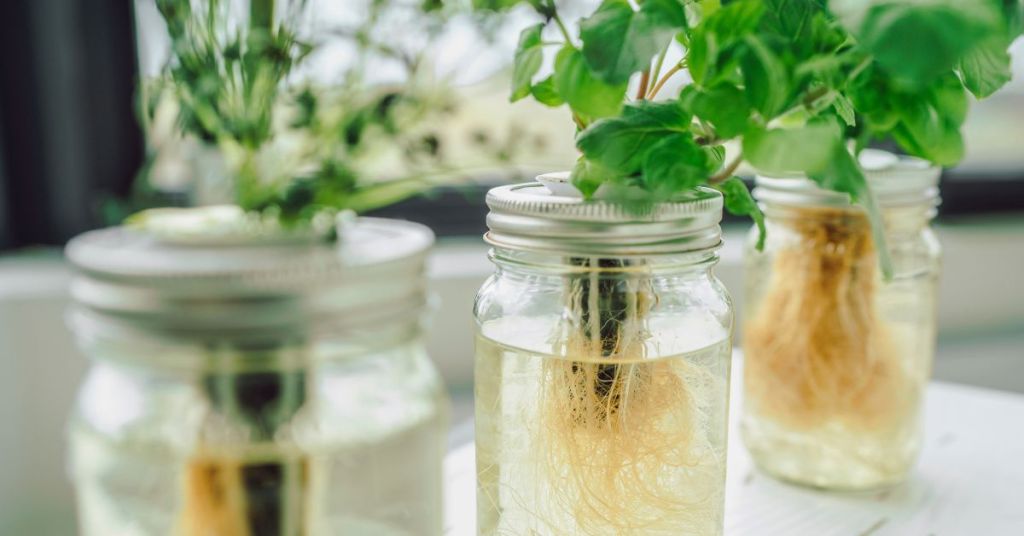
Benefits of Hydroponics:
- Ideal for small homes or apartments with limited room.
- Faster growth and higher yields compared to traditional methods.
- Cleaner setup, as there’s no soil involved.
Hydroponic systems range from simple DIY setups to high-tech kits. Tomás recently experimented with growing lettuce hydroponically, and we were amazed at how quickly it thrived. With just a small rack and an affordable system, you can grow leafy greens, peppers, and even strawberries indoors.
Building a Year-Round Indoor Oasis: From Herbs to Vegetables and Beyond
Why stop at herbs? Once you’ve created a functional herb garden, consider expanding into vegetables and other edible plants. When you grow herbs indoors, it’s easy to take the next step and incorporate a variety of produce into your setup. With careful planning, you can create a self-sustaining indoor garden that produces fresh food throughout the year.
Here’s what we’ve added to our indoor garden:
- Potatoes: Grown in large pots, these are surprisingly easy to manage indoors.
- Peppers: Bell peppers and chili varieties flourish with the right light and care.
- Zucchini: Compact bush varieties are perfect for indoor containers.
- Leafy Greens: Arugula, lettuce, and spinach grow quickly and thrive in small spaces.
- Strawberries: These sweet treats are our newest addition, and we can’t wait to see them fruiting soon!
Combining herbs with vegetables and fruits not only maximizes your garden’s potential but also creates a lush, green oasis in your home. Start small, experiment, and let your garden grow with you.
Indoor gardening offers endless possibilities for creativity and sustainability. Expanding beyond herbs gives you the opportunity to produce fresh, flavorful ingredients year-round while transforming your home into a vibrant haven.
Let’s Start Growing!
Growing your own herbs indoors is just the beginning of what’s possible. With the right guidance, even the smallest spaces can flourish into lush, productive gardens that offer flavor, freshness, and beauty all year long. Whether you start with a simple herb setup or dive into advanced indoor gardening with vegetables, fruits, and microgreens, the journey is as rewarding as the results.
For Tomás, what began as a few herb pots turned into an entire indoor garden. Today, our basement is alive with vibrant plants—from arugula to strawberries—and it has become a space we cherish. The joy of harvesting fresh ingredients for meals or just enjoying the greenery is something we never imagined. You can create this same magic in your own home, no matter how much space you have.
Now, it’s your turn. Choose an unused corner, gather your tools, and start your own indoor herb garden. Let it grow into something that transforms not only your meals but also your everyday life. If you’ve enjoyed this guide or have your own tips to share, leave a comment below. Let’s inspire others to join the indoor gardening movement!
Ready to grow your garden? Start today and turn your home into a hub of freshness, flavor, and endless possibilities. Share this post with friends who might need a little green inspiration, and don’t forget to subscribe to our newsletter for more creative gardening ideas!
And if you want to rock your spice game without planting a thing, check out our post on Rare Spices!