

A Drizzle of Perfection: How to Choose the Right Oil
Writing this post has completely transformed how I think about choosing olive oil. I came across fascinating and sometimes shocking insights—like the existence of an Italian olive oil mafia and the surprising flexibility of labeling rules in the American market. These discoveries opened my eyes to the complexities behind selecting the best olive oil for cooking, something I once thought was a simple choice.
The Complexities Behind Your Oil Bottle
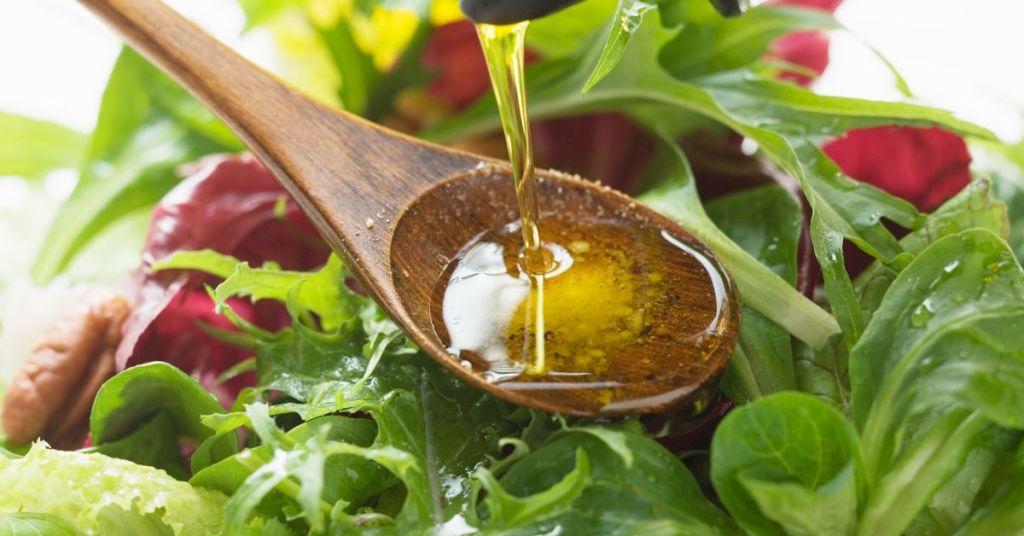
It also reminded me of olive oil’s incredible power in the kitchen. Selecting the best olive oil for cooking can completely transform your recipes. Imagine this: a fresh, vibrant salad drizzled with golden extra virgin olive oil or a perfectly crisp bruschetta bursting with the peppery kick of a premium blend. Cooking with olive oil isn’t just about adding a garnish—it’s the secret ingredient that elevates every bite and makes your dishes unforgettable.
But with so many options on the shelves, choosing the right oil can feel overwhelming. Extra virgin varieties and infused blends offer distinct qualities, and factors like acidity, purity, and type of pressing now play a crucial role. These characteristics influence both the taste and quality, making the selection process more nuanced than ever.
Where do you start? And how do you choose the best olive oil for every situation? Let’s dive into this guide and uncover everything you need to know to make confident, informed choices.
Why Olive Oil Deserves a Place in Every Kitchen
You can’t underestimate the power of high-quality olive oil. You might be preparing a quick weekday meal. Alternatively, you could be hosting a special dinner. This versatile ingredient adds depth and flavor to your dishes. It also provides incredible health benefits. Beyond its taste, it connects you to centuries of tradition, offering a slice of history in every drop.
The Health Benefits
This golden treasure does more than enhance flavor—it actively supports your health. Packed with antioxidants and healthy fats, high-quality olive extract protects your heart, reduces inflammation, and promotes radiant skin.
Research from Harvard Health suggests that regular consumption of this nutrient-rich oil is linked to lower heart-related deaths, emphasizing its role in cardiovascular health. Additionally, a study covered by News Medical highlights that higher olive oil intake may reduce the risk of premature death, underscoring its long-term health benefits.
Phenolic compounds in this natural elixir also reduce inflammation and combat oxidative stress, as noted in Frontiers in Nutrition. This unique combination lowers the risk of chronic illnesses over time, making it a powerful addition to a healthy lifestyle.
The Timeless Value of Olive Extract
This liquid gold has been a cornerstone of Mediterranean culture for thousands of years. It is valued for its culinary uses. It also holds symbolic importance. First cultivated in the Levant around 6,000 to 4,000 BCE, this ancient treasure was cherished by civilizations. They valued it for its health benefits, wealth symbolism, and spiritual significance.

In Greece, this golden elixir symbolized victory and vitality. Athletes anointed their bodies with it before competitions, reflecting its role in self-care and tradition. Across the Mediterranean, it became a key trade commodity, stored in clay amphorae and prized for its quality.
From its humble beginnings to its revered modern status, this versatile oil remains a bridge between history and contemporary life. Similarly, its enduring connection to health, tradition, and the art of cooking makes it an essential part of our daily lives.
From Sacred Rituals to Daily Life
This ingredient wasn’t just food—it carried meaning. It was used to anoint leaders, light sacred lamps, and bless important ceremonies. There’s even a myth that Athena gifted the olive tree to humanity, making it a symbol of wisdom and prosperity. Over time, though, it became a staple in kitchens worldwide, shifting from sacred to essential.
How It Shines in Modern Kitchens
Fast-forward to today, and it’s hard to imagine cooking without this versatile oil. It ties dishes together with richness and depth. And yes, it’s not just for savory recipes. Cakes made with it are becoming trendy again. This trend proves just how versatile it is. Infused options, like garlic or chili, take things up a notch, letting you add personality to even the simplest meals.
So, the next time you drizzle it over warm bread or finish off a pasta, remember this. You’re not just adding flavor. You’re continuing a tradition that’s thousands of years in the making.
Understanding the Journey From Grove to Shelf
The journey begins in sunlit groves, where climate and soil are key. Olive trees flourish in regions with warm, dry summers and mild winters, like the Mediterranean. These ideal conditions produce high-quality fruit, the cornerstone of premium oil.
Cultivation and Harvesting
The quality of this golden elixir depends significantly on how and when the fruit is harvested. Farmers carefully monitor the ripening process, as timing is crucial. Early harvests, when the fruit is still green, result in bold, peppery flavors with higher antioxidant levels. Fully ripe harvests, on the other hand, produce milder options. Harvesting is often done by hand, though gentle machinery is also used to prevent bruising, which can compromise taste and purity.
Cold Pressing: Preserving Purity and Flavor


Once harvested, olives are taken to the mill, where they’re cleaned and sorted. The pressing process begins quickly to prevent oxidation. For extra virgin olive oil, a method called cold pressing is used. This involves crushing the olives into a paste, which is then gently pressed to extract the oil without applying heat. By maintaining temperatures below 27°C (80°F), this method preserves the oil’s natural flavors, aromas, and nutrients.
Filtration: Enhancing Clarity and Stability
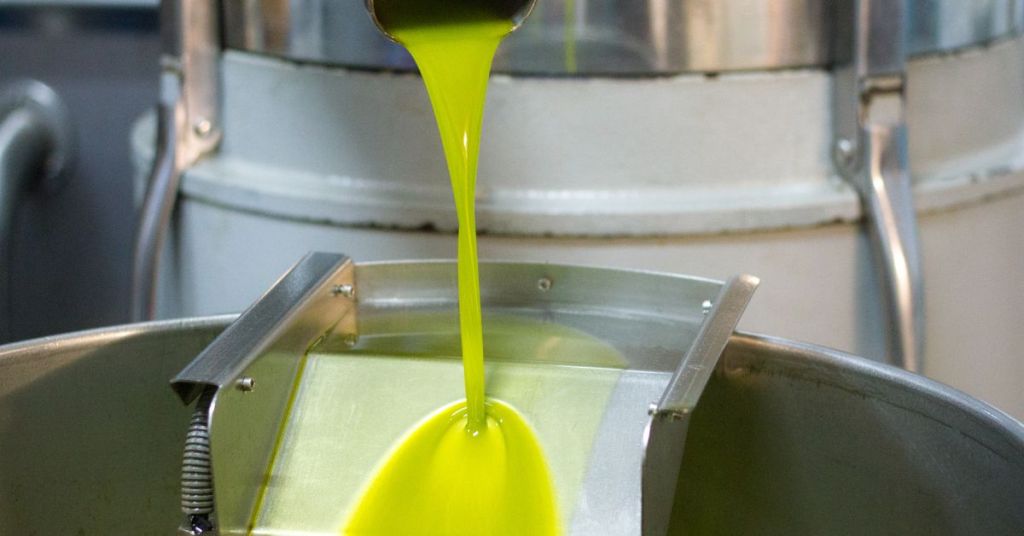
After pressing, the freshly extracted oil may contain tiny particles of olive pulp and water. Some producers filter the oil to improve its clarity. This process extends its shelf life. Others leave it unfiltered for a more robust, natural profile. Both methods have their unique appeal, catering to different preferences.
Bottling: Protecting Quality Until Use
Finally, the oil is carefully stored and bottled. Dark glass or opaque containers are preferred to protect the oil from light, which can degrade its quality over time. Proper sealing ensures freshness by minimizing exposure to oxygen. Each step of this process is critical to preserving the oil’s exceptional flavor and health benefits.

Understand this detailed production process. You can better appreciate the care and craftsmanship that go into every bottle of the final product. This knowledge empowers you to make more informed choices, ensuring the oils you select enhance your meals and your wellness.
How to Choose the Perfect One: Tips from Experts
Selecting the right olive oil doesn’t have to feel overwhelming. With so many varieties on the shelves, understanding key factors like labels, origin, and taste can simplify the process. Here’s how to ensure you’re choosing a high-quality option.
Key Factors to Consider: How to Choose Wisely
Understanding how olive oil is produced helps you make confident decisions. Knowing what affects its quality also empowers you in the face of countless options. These six essential factors guide you in selecting the perfect oil for your needs:
1. Reading the Label: A Wealth of Information
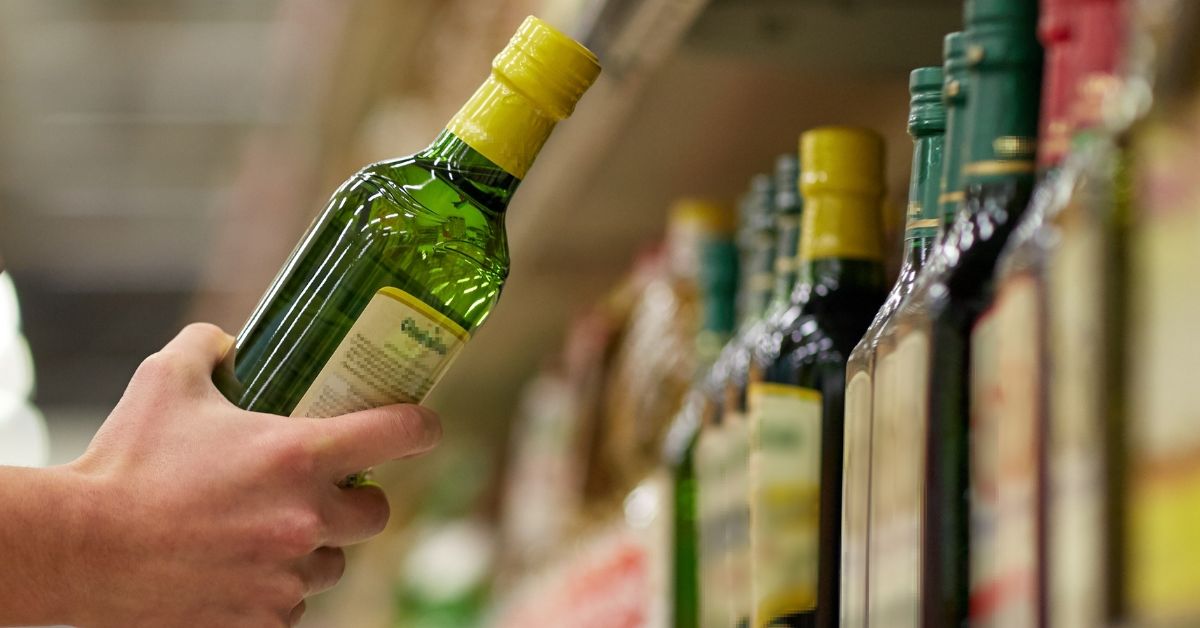
The label provides crucial details about the oil’s quality. Start by seeking the “Extra Virgin” designation, which signifies minimal processing and preserves flavor and nutrients. Check the harvest or bottling date—fresher oils retain better flavor and nutritional value. Opt for dark glass bottles to protect the oil from light, which can degrade its quality over time.
2. Proper Storage: Safeguarding Freshness
The bottle’s material and design significantly affect the oil’s longevity. Dark glass shields it from harmful UV rays, preventing oxidation and rancidity. Glass is also non-reactive, unlike plastic, and maintains an airtight seal. Alternatives like ceramic or tins are effective but less transparent, limiting visual assessment of the oil.
3. The Impact of Origin: Authenticity and Flavor
Geography plays a key role in shaping the oil’s taste and authenticity. Renowned regions such as Greece or Spain produce oils with unique characteristics, influenced by their climate and soil. To ensure quality, look for PDO (Protected Designation of Origin) or PGI (Protected Geographical Indication) labels. These labels guarantee strict regional production standards.
4. Single-Origin Oils vs. Blends
Single-origin oils, produced in one location, offer distinctive flavor profiles and are ideal for finishing dishes. Blends combine oils from multiple sources, making them versatile and more affordable, particularly for cooking at high temperatures. Choose based on your intended use and flavor preferences.
5. The Role of Freshness: Timing Matters
Olive oil does not age well—its flavor and nutrients diminish over time. Always prioritize oils with a clear harvest date, ideally within 12-18 months. Avoid products that lack date information, as they may no longer be fresh. Fresh oils deliver vibrant, fruity aromas and a pleasant peppery finish, while aged ones taste dull or rancid.
6. Acidity: A Marker of Quality
Acidity levels are a reliable indicator of an oil’s quality. Extra virgin olive oil must have less than 0.8% free acidity, signaling minimal oxidation and superior freshness. Oils with lower acidity often have better flavor and more health benefits. Checking this detail helps you identify premium options.
Why It Matters
By taking the time to understand these factors, you can choose oils that elevate your dishes. This also supports producers dedicated to high standards. With the right olive oil, every meal becomes a sensory delight.
Cooking Fats: The Physics and Chemistry of Maximum Temperatures
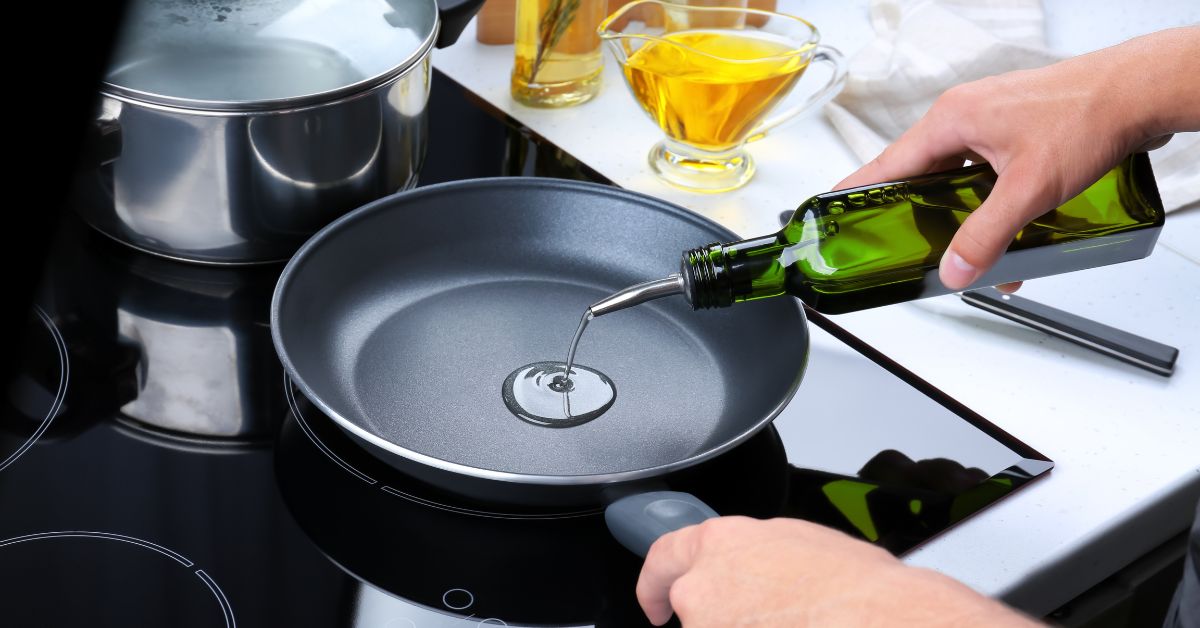
Olive oil is not just a flavorful addition to your dishes—it’s also a versatile cooking fat. However, understanding its smoke point, or the temperature at which it begins to break down, is key to using it effectively and maintaining its health benefits.
What Is the Smoke Point?
The smoke point is the temperature at which an oil starts to smoke. It begins to degrade, producing harmful compounds and altering its flavor. For olive oil, the smoke point varies depending on its type:
- Extra Virgin Olive Oil: Typically between 375°F and 405°F (190°C to 207°C). This makes it ideal for sautéing, roasting, and other low to medium-heat cooking methods.
- Light or Refined Olive Oil: It has higher smoke points of around 465°F (240°C). This allows it to handle high-heat applications like frying or baking.
Does Heating Affect Nutritional Value?
Heating olive oil can lead to some loss of nutrients like polyphenols and antioxidants. However, it remains a healthier option compared to many other cooking oils. Research suggests that olive oil’s structure is more heat-stable than commonly believed. This makes it a reliable choice even for higher-heat methods when used appropriately.
Tips for Cooking with Fats at High Temperatures
- Monitor Heat Levels: Use a thermometer or keep the oil below its smoke point to avoid burning.
- Choose the Right Type: Use extra virgin for drizzling or low-heat cooking, and light olive oil for frying or grilling.
- Combine with Other Oils: If higher heat is needed, blend olive oil with a neutral oil. This will have a higher smoke point. This extends its usability.
- Avoid Reusing: Reheated olive oil can break down further and develop harmful compounds.
Understand olive oil’s temperature limits. Select the right type for your recipe. This way, you can enjoy its rich flavor and health benefits without compromising quality.
Perfect Oils for Every Recipe: Matching Oil to Dish
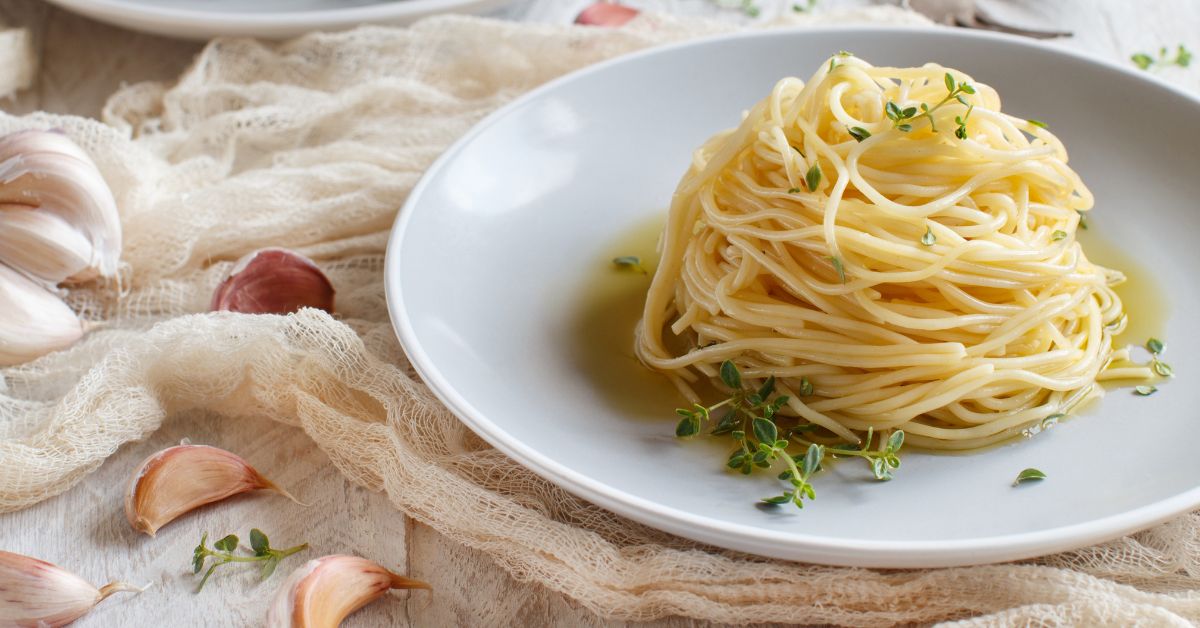
Cooking with olive oil opens up a world of flavor, but not every type works for every dish. Knowing which variety to use can make all the difference. When selecting olive oil, consider the cooking method to match the oil’s smoke point and flavor intensity. Whether you’re frying, roasting, or sautéing, the right choice ensures your meals shine.
High-Heat Cooking vs. Flavor Enhancement
Let’s break it down. For high-heat cooking, light olive oil is a great option. It has a higher smoke point and a mild flavor, making it perfect for frying or baking. On the other hand, extra virgin olive oil brings boldness to dishes when used as a finishing touch. Think salad dressings, marinades, or drizzling over warm pasta.
Here’s a tip: Don’t hesitate to use extra virgin olive oil for low to medium-heat cooking. It enhances sauces and stir-fries while preserving its nutrients.
Pairing Oils with Your Dishes
- Bold and Peppery for Grilled or Roasted Foods: Use robust varieties to highlight flavors in grilled steaks or roasted vegetables.
- Light and Subtle for Delicate Recipes: Opt for mild oils when working with fish, chicken, or desserts.
- Infused Oils for a Creative Twist: Flavored options, such as garlic or basil, bring exciting new dimensions to your meals.
Why Choosing the Right Oil Matters
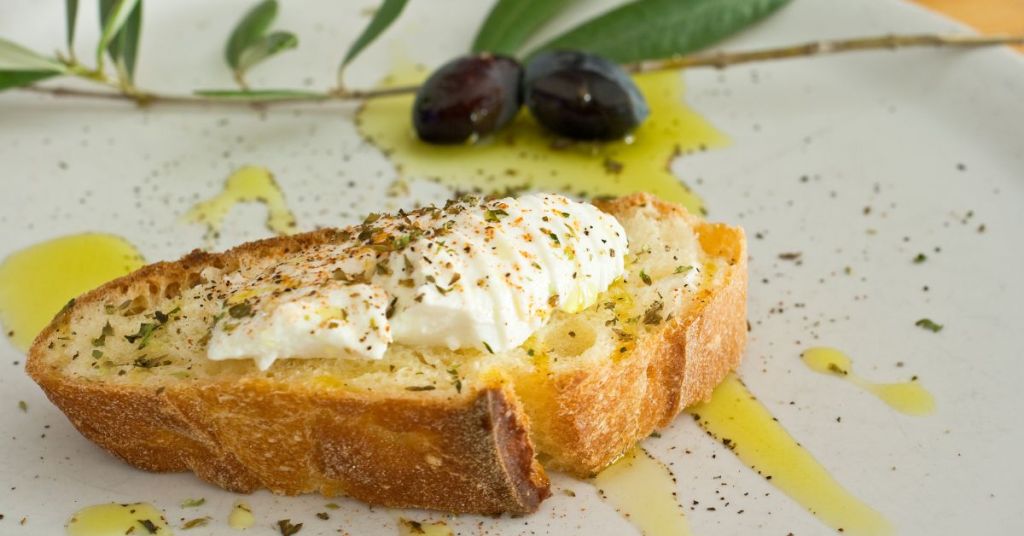
The wrong oil can overpower delicate ingredients or fail to stand up in bold recipes. When you select the perfect oil for your cooking, you elevate textures, flavors, and even the overall dining experience. A well-matched olive oil doesn’t just complement a dish—it transforms it.
Understanding “Pure Olive Oil” in the U.S.: What It Really Means
The oil market in the United States is significantly different from international standards. This is especially true when it comes to the term “Pure Oil.” While this label might suggest high-quality oil, it refers to a refined product. It is blended with virgin oil and lacks the flavor and health benefits of extra virgin options. olive oil.
What Is “Pure Olive Oil”?
In the U.S., “pure” oil is a blend of refined and virgin varieties. Refined oil undergoes significant processing to remove impurities, but this process also strips away beneficial compounds like antioxidants and polyphenols. According to the U.S. Department of Agriculture, “pure” oil must be free of defects and have a neutral flavor. Still, it lacks the robust qualities and richness of extra virgin options.
- Refined Oil: Made by treating lower-grade varieties, often called lampante oil, using heat and chemicals to neutralize off-flavors and reduce acidity.
- Virgin Oil: A less processed option that retains some natural flavor but is lower in quality than extra virgin.
The result is an oil that is edible and neutral in flavor but lacks the health-promoting compounds found in unrefined oils.
Why Is Lampante Oil Refined?
Lampante oil, named after the Latin word for “lamp,” is considered unfit for consumption in its raw state. The International Olive Council notes that lampante oil is characterized by high acidity, often exceeding 3.3%, and defects caused by poor handling or damaged olives. It is refined to remove these flaws and make the oil suitable for human use.
The refining process includes:
- Neutralization: Reducing acidity.
- Bleaching: Removing color and impurities.
- Deodorization: Eliminating off-odors using high heat.
While these steps make the oil safe to consume, they also strip it of valuable nutrients like antioxidants and polyphenols. This process diminishes its natural flavor, making it nutritionally inferior to virgin and extra virgin olive oils.
Comparison to European Standards
In Europe, refined olive oil is labeled simply as “olive oil,” without the “pure” designation used in the U.S. The International Olive Council requires extra virgin olive oil to meet stringent criteria, including:
- Free fatty acid levels below 0.8%.
- No sensory defects such as rancidity or moldy aromas.
In contrast, “pure olive oil” in the U.S. often includes oil processed from lampante, which would not meet these standards for virgin or extra virgin grades. The terminology difference can mislead consumers into believing “pure” implies superior quality, which is not the case.
The Health Impact of Refined Olive Oil
Refined olive oil, including “pure olive oil,” lacks many of the nutritional benefits that make olive oil a staple of healthy diets:
- Loss of Antioxidants: Research published in the Journal of Agricultural and Food Chemistry demonstrates a key fact. Extra virgin olive oil contains up to 20 times more polyphenols than refined oils. These compounds are linked to reduced inflammation and heart health benefits.
- Neutral Flavor: Refining removes the fruity and peppery notes associated with high-quality olive oil, diminishing its culinary appeal.
- Reduced Nutritional Value: While still a source of healthy fats, refined olive oil offers fewer nutrients. It no longer retains the full spectrum of nutrients found in less processed oils.
How to Choose the Right Product
If you’re navigating the olive oil aisle and want the best quality for your needs, here are some tips:
- Look for Extra Virgin Olive Oil: The most nutrient-dense and flavorful option, as it is minimally processed.
- Read Labels Carefully: According to the International Olive Council, high-quality olive oils should specify harvest dates, origin, and certifications like PDO (Protected Designation of Origin).
- Use Pure Olive Oil for High-Heat Cooking: It has a neutral flavor and higher smoke point. Pure olive oil is a practical choice for frying or baking.
A Balanced Perspective
While “pure olive oil” serves a purpose in cooking, it’s important to understand its limitations. For those seeking robust flavors and health benefits, extra virgin olive oil remains the gold standard. Meanwhile, “pure olive oil” can be a cost-effective option for recipes where intense flavors aren’t required. Recognizing these differences is essential. When you understand labeling practices, you can make informed choices suited to your culinary and health goals.
Unveiling the Truth: The Controversy Behind Italian Olive Oil
Italian oil is renowned for its quality, tradition, and deep connection to Mediterranean culture. Yet, when searching how to choose the best olive oil for cooking or crafting recipes, the industry faces challenges such as adulteration and misleading labeling, which can complicate finding the top olive oil for cooking or experimenting with new dishes.
Understanding the Issue of Adulteration
The olive oil market is highly lucrative, which has unfortunately led to dishonest practices, complicating the process of selecting olive oil for consumers seeking premium quality. Lower-grade oils are sometimes blended and sold as premium products. For instance, oils labeled as “Extra Virgin Italian” may include mixtures sourced from countries like Spain or Tunisia, complicating the process of choosing olive oil for quality and authenticity. These blends are often chemically treated to imitate the flavor and aroma of authentic extra virgin varieties.
The Impact on Quality and Trust
Adulteration doesn’t only compromise flavor and health benefits—it also erodes consumer trust, making choosing olive oil a challenge for those looking for authenticity. Genuine producers often struggle to compete in a market flooded with cheaper, misleading alternatives. This makes it harder for customers to recognize and support high-quality, authentic products.
A Personal Perspective
For those of us with Italian roots, this reality can feel disheartening. Buying olive oil represents more than just purchasing food—it’s a symbol of heritage and tradition tied to Italian roots. Acknowledging these challenges doesn’t diminish this connection. Instead, it empowers us to focus on how to choose olive oil thoughtfully and champion producers who uphold the true essence of Italian oil.
Ensuring Quality: What You Can Do
When it comes to selecting oils, understanding the qualities that define high-quality olive oil is essential. Follow these tips:
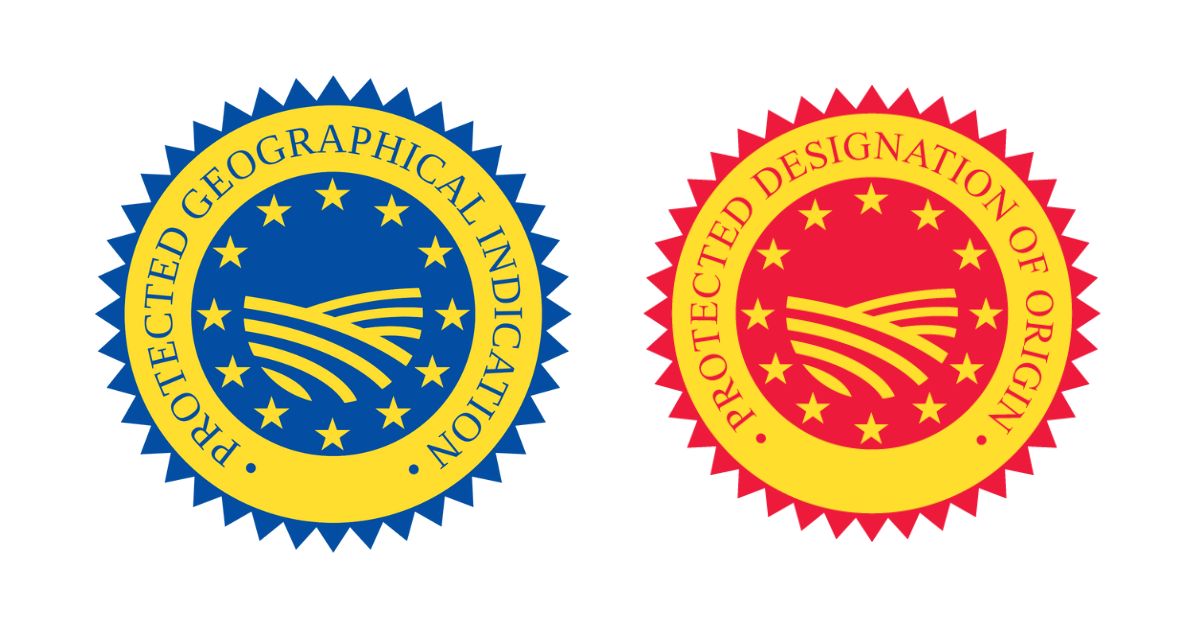
- Check for Certifications: When buying olive oil, look for certifications like PDO (Protected Designation of Origin) or PGI (Protected Geographical Indication), which ensure the oil meets strict regional and quality standards.
- Look for Harvest Dates: Freshness matters. Oils with clearly marked harvest or bottling dates offer the best flavor and health benefits.
- Research Trusted Brands: Choose brands known for transparency and a commitment to authenticity.
- Trust Your Senses: Authentic extra virgin oil often has a vibrant, peppery finish and a distinct aroma. Taste and aroma are key indicators of quality.
Debunking the Fridge Test Myth
Refrigerating olive oil is often thought to verify its purity. It is said that authentic oil turns cloudy or partially solidifies. While this test seems simple, it is unreliable and does not help when choosing olive oil.
- Different Fatty Acids: Oils solidify at different rates, even in pure varieties.
- Blends Can Mimic Results: Adulterated oils mixed with vegetable oil may also solidify, misleading the test.
- Temperature Sensitivity: Minor variations in fridge temperature can produce inconsistent results.
Relying on proper labeling, trusted sources, and sensory evaluation is a far more accurate way to assess quality.
Supporting Ethical Producers
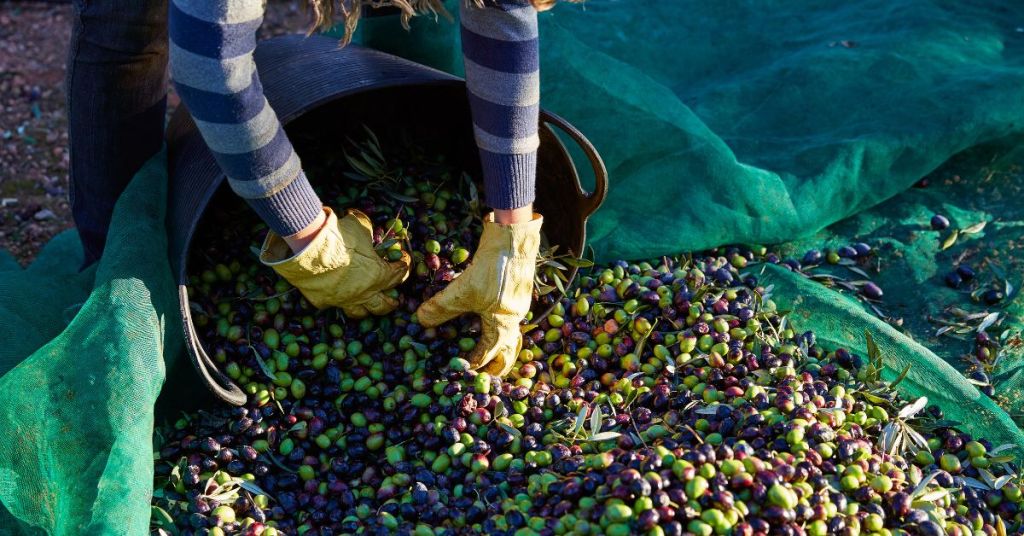
Despite these challenges, many Italian producers remain deeply committed to tradition and integrity. By selecting olive oil from these artisans, you invest in quality. You also help sustain an industry built on craftsmanship and authenticity.
Staying informed and mindful is important. It allows you to continue enjoying this golden treasure as a centerpiece of culinary experiences. At the same time, it honors those who produce it with care.
Storing Olive Oil: Simple Tips to Keep It Fresh
Proper storage ensures your olive oil remains flavorful and packed with nutrients. With a little care, you can keep it fresh and ready to enhance your cooking for months.
Protect It from Heat, Light, and Air
As much as we love a kitchen filled with personalized items, replacing the original olive oil bottle is only a good idea if you opt for a dark container. Olive oil is highly sensitive to its environment.
Proper storage begins with selecting olive oil packaged in a dark glass bottle. This shields it from light and helps preserve the flavor and nutrients.
To maintain its quality:
- Choose a cool, dark spot: Store it in a pantry or cabinet away from sunlight and heat.
- Keep it sealed: Always close the bottle tightly to reduce air exposure.
- Avoid the stove: Heat from cooking appliances can degrade the oil’s flavor and nutritional value.
After all, protecting the oil from light and air ensures it stays fresh and enhances your dishes to the fullest.
The Right Container Matters
Dark glass bottles or stainless steel containers are your best bet for protecting olive oil. These materials block harmful UV rays and help maintain freshness. Avoid clear plastic or glass, which do little to shield the oil.
If you buy large bottles, consider transferring smaller portions into airtight containers for daily use. This reduces repeated exposure to air, preserving the flavor longer.
Mistakes to Avoid
- Don’t refrigerate: Cold temperatures can solidify the oil, altering its consistency.
- Skip the countertop: Storing oil in clear bottles near heat or light looks nice but damages the product.
- Avoid old containers: Residues from previous batches can spoil fresh oil.
By following these simple steps, you’ll ensure your olive oil stays fresh and flavorful. It will be ready to take your meals to the next level.
Frequently Asked Questions About Olive Oil
1. What Is the Best Olive Oil for Cooking?
The best oil for cooking depends on your recipe and method. For high-heat preparation, light varieties work well due to their higher smoke point. However, for sautéing or roasting at lower temperatures, extra virgin options add incredible depth of flavor. To elevate your dishes, choose options that balance taste and functionality.
2. How Can I Tell If Olive Oil Is Legitimate?
To ensure your olive oil is authentic, check the label for certifications like PDO (Protected Designation of Origin) or PGI (Protected Geographical Indication). These stamps guarantee quality and origin. Additionally, pay attention to the harvest date—fresh oils tend to taste better. Finally, avoid overly cheap oils or those in clear plastic bottles, as these are often signs of lower quality.
3. Does Organic Olive Oil Really Make a Difference?
Organic olive oil offers benefits for both the environment and your health. It’s produced without synthetic pesticides or fertilizers, making it a cleaner option. While it often tastes similar to non-organic oils, many people prefer organic for its eco-friendly production and commitment to purity. If sustainability matters to you, organic is a great choice.
4. Can You Reuse Olive Oil After Cooking?
While reusing cooking oil might seem practical, it’s not always the best idea. Each time oil is heated, it loses some nutritional value and can develop harmful compounds if overheated. If you decide to reuse it, strain out any food particles and stick to similar methods, like frying. However, for the freshest taste and maximum health benefits, it’s best to use fresh oil each time.l each time.
5. How Long Does Olive Oil Last Once Opened?
Once opened, olive oil typically stays fresh for 12 to 18 months if stored correctly. Keep it in a cool, dark place and tightly sealed to prevent oxidation. If the oil smells rancid or tastes bitter in an unpleasant way, it’s time to replace it. Remember, fresher oil means better flavor and nutrients.
6. What Are Some Creative Uses for Olive Oil Beyond Cooking?

Olive oil isn’t just for the kitchen! Use it as a natural moisturizer for your skin, a hair treatment for dry ends, or even to polish wooden utensils and cutting boards. Its versatility makes it a staple in both your beauty routine and household care. Just be sure to use high-quality or organic olive oil for non-culinary purposes.
7. What should I look for when buying olive oil?
When buying, focus on freshness, certifications like PDO, and storage conditions like dark bottles.
A Drizzle of Wisdom: Choosing the Right Olive Oil
From enhancing the flavors of your favorite dishes to boosting your overall health, understanding how to choose olive oil can transform your cooking—and your life. By taking these simple steps, you’ll master how to choose olive oil that enhances your dishes and also supports authentic producers, , making the process of selecting olive oil simple and effective. We’ve explored how to choose high-quality oils, the benefits of proper storage, and even the creative ways to use this liquid gold beyond the kitchen. So, it’s clear: olive oil is more than an ingredient; it’s an essential.
Why Your Choice of Olive Oil Matters
When you invest in the best olive oil, you’re not just buying a bottle—you’re embracing a tradition of care, quality, and flavor. Understanding how to choose olive oil helps ensure you select a product that meets these high standards. And when you know how to choose olive oil, every purchase supports authentic producers while also enhancing your cooking. Whether you’re experimenting with robust oils for hearty recipes or opting for lighter varieties for delicate dishes, the choices you make matter. Buying olive oil with care ensures both quality and authenticity.
Now, it’s your turn! Share your favorite brands, recipes, or olive oil tips in the comments below. Do you have a go-to dish that becomes extraordinary with a drizzle of olive oil? We’d love to hear about it! If you’re looking for trusted recommendations, explore our guide to learn more about olive oil and find tips on selecting olive oil that fits your cooking needs.
Let olive oil inspire your culinary adventures—and remember, knowing how to choose olive oil makes even the simplest meals extraordinary.