

Indulging in the art of charcuterie is more than just arranging meats and cheeses—it’s about crafting an experience. You may be hosting an elegant dinner. It could be a laid-back gathering, or just treating yourself to a special moment. A charcuterie board is always a winning choice.
This guide is to inspire your creativity. It will help you design a board that’s both beautiful and a delight for the senses. We will start with an inviting mix of cured meats and cheeses. Then, we will layer in fruits, nuts, and dips. This will help us explore how to bring flavors and textures together in harmony.
You’ll find practical tips to make your board uniquely yours by highlighting balance, variety, and a personal touch. Additionally, you don’t need to be an expert to create something remarkable. In fact, some of the most unforgettable boards come from combining intuition, personal style, and favorite ingredients.
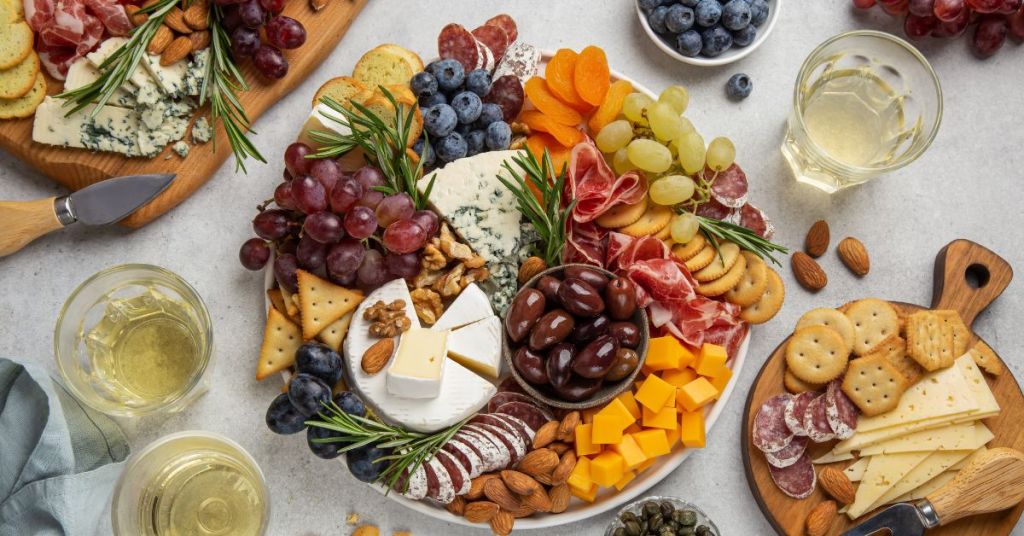
Gather your favorite ingredients. Get ready to create a charcuterie board that will spark conversations. It will impress your guests and turn any occasion into something truly remarkable.
What is charcuterie?
Charcuterie is a culinary art form that focuses on the preparation and presentation of cured meats and other specialty foods. Originating from France, the term specifically refers to a variety of preserved meat products, including sausages, pâtés, and terrines. However, in contemporary settings, charcuterie has evolved to encompass a broader range of items. These include cheeses, olives, nuts, fruits, and breads. Together, they create a delightful and visually appealing spread. This culinary tradition emphasizes flavor. It also showcases an array of textures and colors. It is a feast for the eyes as well as the palate.

The charm of charcuterie lies in its versatility, as it can easily be tailored to suit any occasion or personal taste. For example, you can prepare a simple snack for yourself or craft an elaborate board for a larger gathering. Moreover, choosing components that showcase seasonal ingredients or regional specialties adds an extra layer of thoughtfulness. This adaptability not only allows hosts to express their creativity but also ensures guests enjoy an exciting array of flavors and textures, which naturally invite exploration and enjoyment.
Beyond just the food itself, charcuterie embodies the spirit of sharing and community. It brings people together, encouraging conversation and interaction as guests sample different items from the board. The communal aspect of indulging in a charcuterie spread creates an inviting atmosphere. It makes it a perfect centerpiece for gatherings of all sizes.
The art of creating a charcuterie board
Crafting a beautiful charcuterie board is not just about throwing together a few ingredients; it is an art that requires thoughtfulness and creativity. The first step in this process is to select a suitable base for your board. Wooden boards, slate tiles, or even marble slabs work well as a foundation, allowing the colors and textures of the food to shine. Think about the size of the board compared to the number of guests you expect. Make sure there is ample space for all the components.
Once you have your base, it’s time to carefully plan the layout of your board. Start by considering the flow of the arrangement, especially since guests will likely approach from different angles. Therefore, a successful charcuterie board often features a mix of larger items, such as cheese and meats, which are strategically placed. Additionally, these larger elements should be complemented by smaller items, like nuts and dried fruits, to create a harmonious balance. This thoughtful combination not only ensures accessibility but also adds visual interest to your presentation. Grouping similar items together can also give a sense of cohesion while allowing for variety within each category.
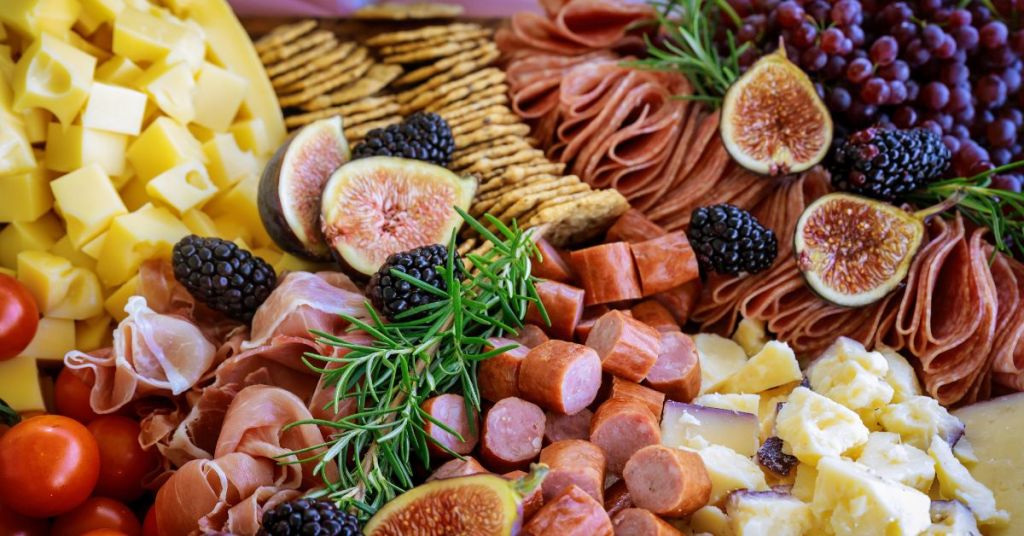
Lastly, consider the importance of garnishing your board. Fresh herbs, edible flowers, and small bowls of dips or spreads can elevate the presentation, adding pops of color and inviting guests to dig in. Pay attention to detail when arranging and presenting. This will not only impress your guests but also enhance their overall experience. It will make the charcuterie board a memorable aspect of your gathering.
Choosing the right ingredients for your charcuterie board
Creating a memorable charcuterie board begins with thoughtfully selecting ingredients that delight the senses. To ensure both variety and balance, it’s essential to focus on three main categories: meats, cheeses, and accompaniments. By carefully considering these elements, you can craft a board that is not only visually stunning but also irresistibly delicious. Below, we provide practical options and tips for each category, helping you design a charcuterie board that truly stands out.ard.
Cured Meats: The Heart of Your Charcuterie Board
On a charcuterie board, cured meats are the stars that set the stage for a truly memorable experience. These savory delights bring richness, depth, and variety to the table. They serve as the perfect complement to cheeses, fruits, and other accompaniments. Choosing the right meats involves more than just flavor. It requires creating a balance of textures, colors, and tastes. This balance invites your guests to explore and enjoy.
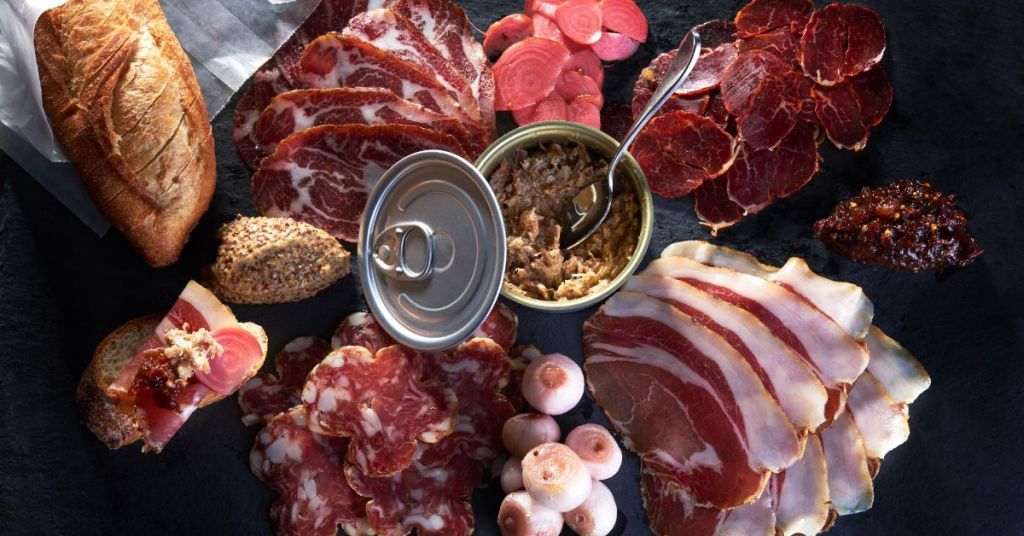
From classic staples to bold and unique options, cured meats provide endless opportunities for personalization. For instance, you might choose a traditional spread to keep things familiar, or alternatively, opt for something more adventurous to surprise your guests. Regardless of your approach, a thoughtful selection ensures your charcuterie board will be both visually stunning and irresistibly delicious.
Let’s dive into the essentials, starting with the timeless classics that every great board should include.
Classic Charcuterie Staples
Start with well-loved favorites that are sure to please a variety of palates:
- Prosciutto: Silky and paper-thin, this Italian masterpiece is delicately salty with a touch of sweetness. Fold it loosely to create height and texture on your board.
- Salami: A versatile crowd-pleaser available in countless varieties:
- Genoa Salami: Mild and garlicky, perfect for beginners.
- Calabrese Salami: Spicy with a hint of paprika, ideal for adding boldness.
- Soppressata: Coarsely ground and rustic, with mild or spicy options.
- Chorizo: Smoky and bold, chorizo adds a rich, paprika-forward flavor to your board. Spanish chorizo works beautifully for charcuterie due to its cured texture.
- Pancetta: Often called Italian bacon, pancetta is rich and savory. Serve thinly sliced for a luxurious touch.
Specialty Meats to Elevate Your Charcuterie Board
Add a sophisticated twist with unique options that bring depth and intrigue:
- Bresaola: Lean and tender, this air-dried beef delivers subtle elegance. Its ruby red hue also adds visual interest.
- Capicola: Marbled pork with a delightful balance of spice and sweetness, perfect for variety seekers.
- Mortadella: Smooth and creamy, often studded with pistachios, this Italian favorite is as striking as it is delicious.
- Lomo Embuchado: Spanish cured pork loin with a delicate paprika seasoning, offering a mild but distinctive flavor.
- Speck: This smoked ham combines saltiness with a rustic, smoky aroma, making it a standout choice.
Adventurous Choices for the Bold Host
Introduce something unexpected with game meats or international specialties:
- Venison Salami: Rich and earthy, with a slightly sweet note that pairs wonderfully with aged cheeses.
- Duck Prosciutto: Luxuriously rich, duck breast is cured and sliced thin for a sophisticated addition.
- Wild Boar Prosciutto: Smoky and slightly gamey, this specialty meat is sure to spark conversations.
- ‘Nduja: A spreadable, spicy Italian salami that adds bold heat to crackers or bread.
- Rabbit Terrine: A pâté-like choice that adds French flair to your board.
Tips for Selecting and Presenting Meats
Make your charcuterie board both functional and fabulous with these expert tips:
- Plan for Variety:
- Include at least 3–5 types of meat to give contrasting flavors and textures.
- Balance mild options (like prosciutto) with bolder choices (like chorizo or speck).
- Portioning:
- Calculate approximately 2–3 ounces of meat per person. For larger gatherings, offer a more generous selection.
- Presentation:
- Pre-slice meats like salami or bresaola for ease of serving.
- Fold or roll thin meats, like prosciutto, to create dimension and volume.
- Arrange meats in clusters or ribbons to make the board visually appealing and easy to access.
- Dietary Considerations:
- Offer a mix of pork, beef, and poultry options to cater to different preferences.
- Consider turkey or plant-based alternatives for guests with dietary restrictions.
Cheese: The Soul of Your Charcuterie Board
If cured meats are the heart of your charcuterie board, cheese is undoubtedly its soul. Cheese has an incredible range of flavors, textures, and aromas. It brings versatility and richness to your spread. It offers something for every palate. Cheeses range from creamy and mild to bold and tangy. Choosing the right selection ensures a dynamic experience. It creates a memorable experience for your guests.

Choosing the perfect cheeses is about balance. Include a mix of soft, hard, and aged varieties to add depth and contrast. Add a touch of flavored or regional specialties to introduce unexpected surprises. With careful curation, the cheeses on your board will complement the other elements. They will also stand out as stars in their own right.
Let’s explore the essentials, starting with the types of cheese that no charcuterie board should be without.
1. Soft Cheeses
Soft cheeses bring creaminess and elegance to your board, making them an inviting option for guests to spread or pair.
- Cow’s Milk:
- Brie: Mild and buttery, with a soft, edible rind.
- Camembert: Similar to brie but with a slightly earthier flavor.
- Taleggio: A semi-soft Italian cheese with a washed rind and a tangy, fruity taste.
- Goat’s Milk:
- Chèvre: Fresh and creamy, often rolled in herbs or spices for added flavor.
- Buche de Chevre: A log-shaped goat cheese, soft and spreadable with a tangy finish.
- Buffalo’s Milk:
- Buffalo Mozzarella: Smooth, delicate, and slightly tangy, perfect for a light touch on the board.
2. Semi-Soft and Semi-Hard Cheeses
These cheeses strike a balance between creamy and firm, offering versatility in flavor and pairing options.
- Cow’s Milk:
- Fontina: Smooth and nutty, with a slightly tangy aftertaste.
- Havarti: Creamy and mild, sometimes infused with herbs or spices like dill.
- Munster: A washed-rind cheese with a pungent aroma but mild, buttery flavor.
- Sheep’s Milk:
- Manchego: A Spanish favorite, nutty and buttery with a firm yet creamy texture.
- Ossau-Iraty: A French cheese with a smooth, slightly sweet profile.
- Buffalo’s Milk:
- Scamorza: Similar to mozzarella but firmer and with a subtle smokiness.
3. Hard Cheeses
Hard cheeses add structure and depth to your board, with bold flavors and a crumbly or firm texture.
- Cow’s Milk:
- Aged Cheddar: Sharp, crumbly, and full of character.
- Parmesan (Parmigiano-Reggiano): Nutty and savory, perfect for breaking into shards.
- Comté: A French cheese with a complex, slightly sweet flavor.
- Sheep’s Milk:
- Pecorino Romano: Salty and bold, ideal for pairing with sweet accompaniments.
- Idiazabal: A smoked Spanish cheese with a firm texture and nutty flavor.
4. Blue Cheeses
Blue cheeses are bold and tangy, offering a distinctive character that pairs beautifully with honey or fruit.
- Cow’s Milk:
- Gorgonzola: Creamy and rich, with a gentle tanginess.
- Stilton: A robust, crumbly blue cheese with deep earthy flavors.
- Sheep’s Milk:
- Roquefort: Creamy and salty, with an intense tang that pairs well with sweet fruits.
- Buffalo’s Milk:
- Buffalo Blue: A softer, milder blue cheese with a creamy consistency.
5. Flavored Cheeses
Adding a flavored cheese can introduce unexpected elements to your board, creating intrigue and excitement.
- Herbed Cheeses: Goat or cow cheeses infused with herbs like garlic, dill, or basil.
- Smoked Cheeses: Smoked gouda or cheddar for a rustic, earthy flavor.
- Truffled Cheeses: Luxurious and aromatic, these cheeses elevate any board.
Tips for Choosing and Presenting Cheeses
- Balance the Selection:
- Include at least one cheese from each category (soft, semi-hard, hard, blue) for variety.
- Aim for a mix of milk types (cow, goat, sheep, buffalo) to diversify flavors and textures.
- Portioning:
- Plan for 2–3 ounces of cheese per person.
- Serving:
- Serve cheeses at room temperature for optimal flavor.
- Pre-cut hard cheeses into shards or wedges and leave soft cheeses whole for guests to slice.
- Pairing Suggestions:
- Pair creamy cheeses like brie with fruits like figs or berries.
- Match bold blue cheeses with honey or sweet chutneys for balance.
- Serve hard cheeses with nuts and olives for a savory combination.
By thoughtfully curating a selection of cheeses, your charcuterie board transforms into a symphony of flavors. It combines textures that captivate your guests. This approach elevates any occasion.
Accompaniments: Enhancing Your Charcuterie Board

The accompaniments on a charcuterie board are more than fillers. They bring balance and variety. They give the opportunity to create perfect flavor combinations. From crunchy nuts to sweet fruits, these elements elevate the meats and cheeses. Creamy spreads add texture, color, and complementary tastes. Below is a comprehensive guide to the essential categories of accompaniments and how to use them.
Nuts: Crunch and Texture
Nuts offer a satisfying crunch and a savory balance to creamy cheeses and salty meats. Opt for a variety to add interest:
- Classic Choices:
- Almonds: Roasted, salted, or smoked.
- Walnuts: Ideal for pairing with blue cheeses.
- Cashews: Buttery and mild, complementing sharp cheeses.
- Unique Options:
- Candied Pecans: Sweet and crunchy, perfect for balancing bold meats.
- Hazelnuts: Nutty and slightly sweet, great with aged cheeses.
- Pistachios: Vibrant and flavorful, adding visual appeal.
Tip: Offer nuts in small clusters or bowls to prevent them from rolling off the board.
Breads and Crackers: The Foundation for Pairings
The right selection of breads and crackers provides a neutral base to showcase the flavors of meats, cheeses, and spreads:
- Crackers:
- Water Crackers: Thin and crisp, allowing the toppings to shine.
- Whole-Grain Crackers: Nutty and hearty, ideal for creamy cheeses.
- Seeded Crackers: Add crunch and visual interest.
- Breads:
- Sliced Baguette: Lightly toasted for texture.
- Breadsticks: Crunchy and elegant for dipping or wrapping meats.
- Sourdough: A rustic option with a tangy flavor.
Tip: Include gluten-free options to accommodate dietary restrictions.
Fruits: Sweetness and Balance
Fruits add a burst of natural sweetness, which complements the saltiness of cured meats and cheeses.
- Fresh Fruits:
- Grapes: Juicy and refreshing, a classic choice.
- Figs: Perfectly sweet, pairing well with goat cheese and prosciutto.
- Berries: Strawberries, raspberries, and blackberries add vibrant color and flavor.
- Dried Fruits:
- Apricots: Sweet and chewy, excellent with hard cheeses.
- Cranberries: Tart and colorful, perfect for a holiday board.
- Dates: Rich and sweet, ideal for blue cheeses.
Tip: Arrange fruits in small clusters or slices for easy serving and an attractive presentation.
Spreads and Dips: Layers of Flavor
Spreads and dips offer the opportunity to tailor each bite, adding depth and richness to the charcuterie board.
- Sweet Spreads:
- Honey: Drizzle over blue cheese for a magical pairing.
- Fruit Preserves: Fig jam, apricot preserves, or cherry compote bring fruity sweetness.
- Chocolate Hazelnut Spread: A decadent addition for a dessert-inspired board.
- Savory Spreads:
- Whole-Grain Mustard: Tangy and sharp, great with cured meats.
- Hummus: Creamy and versatile, perfect for dipping veggies or crackers.
- Olive Tapenade: Salty and rich, complementing bold cheeses.
- Extra Virgin Olive Oil: Drizzle over fresh bread or use as a dip, bringing a smooth, rich flavor that enhances every bite.
Tip: Serve spreads in small bowls or ramekins to keep the board tidy and inviting.
Vegetables: Freshness and Contrast
Vegetables bring a crisp, fresh contrast to the richness of meats and cheeses:
- Raw Vegetables:
- Baby Carrots: Sweet and crunchy.
- Cherry Tomatoes: Juicy and vibrant, pairing well with fresh cheeses.
- Cucumber Slices: Light and refreshing.
- Pickled Vegetables:
- Cornichons: Tiny pickles with a tangy kick.
- Pickled Onions: Add acidity and a burst of flavor.
- Marinated Artichokes: Rich and tangy, perfect with salty meats.
Tip: Include a mix of raw and pickled vegetables to offer variety.
Tips for Selecting and Arranging Accompaniments
Creating a balanced and visually stunning charcuterie board requires careful attention to flavor, texture, and presentation. Here are some practical tips to guide you:
1. Balance Flavors
- Combine sweet, savory, and tangy elements to create variety and enhance the tasting experience.
- Pair crunchy nuts or crackers with creamy spreads for a satisfying textural contrast.
- Include a mix of bold and mild accompaniments to cater to different palates.
2. Add Visual Appeal
- Use fresh fruits, vibrant berries, and colorful vegetables to brighten the board.
- Incorporate visually striking elements, like golden honey, deep green olives, or bright red cherries, for a captivating presentation.
- Arrange ingredients in clusters to create balance and symmetry across the board.
3. Portion and Layout
- Plan for small amounts of each accompaniment, allowing meats and cheeses to remain the focus.
- Start by placing larger items, such as cheeses and meats, as anchor points on the board.
- Fill in gaps with smaller items like nuts and fruits. Use bowls for items like olives or spreads. This will keep everything tidy and organized.
4. Arranging for Maximum Visual Impact
- Slice some cheeses and fan out the pieces for a dynamic look, while leaving others whole for variety.
- Roll or fold cured meats into elegant shapes that are easy for guests to grab.
- Ensure balance by placing items of similar size and color across the board. For example, a large wedge of cheese on one side can be countered with a small bowl of fruit on the opposite side.
Carefully arranging your ingredients helps you craft a functional charcuterie board. It will also look visually stunning. This arrangement invites guests to explore and savor every element.
Charcuterie board ideas for different occasions
For special occasions like the holiday season, charcuterie boards can be transformed into stunning decorative pieces that elevate the atmosphere. A creative option is to arrange your ingredients into festive shapes, such as a Christmas tree or a holiday wreath. These designs not only serve as an impressive centerpiece but also showcase the versatility of charcuterie boards. These festive boards add a unique charm to your table while delighting guests with their seasonal flair.


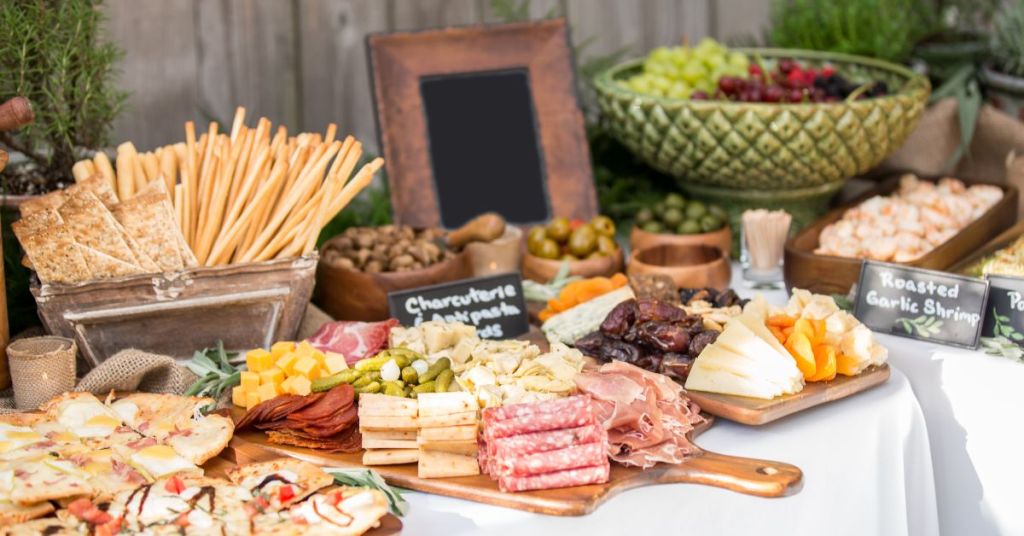
If you’re hosting a large gathering, consider going beyond the traditional board and creating an entire charcuterie table. This approach allows you to offer an expansive selection of meats, cheeses, fruits, nuts, and accompaniments, giving guests the freedom to explore and customize their plates. For a more modern and casual take, individual charcuterie cups are a great alternative. These stylish single-serve options make it easy for guests to enjoy a variety of flavors while mingling, and they also simplify serving and cleanup.

How to source high-quality charcuterie products
Sourcing high-quality charcuterie products is essential for crafting an impressive board that truly delights the palate. To begin, explore local artisanal shops, farmers’ markets, or specialty grocery stores. In particular, these venues often feature a curated selection of cured meats and cheeses, showcasing regional flavors and exceptional craftsmanship. Choosing locally sourced ingredients supports small businesses and ensures a fresher, more authentic taste for your charcuterie board.

When selecting meats, look for options that are made from high-quality cuts and prepared using traditional methods. Products labeled as “artisanal” or “small-batch” typically indicate a higher level of care in production. Consider trying unique items. These might include locally produced salamis or specialty sausages. They can add a personal touch to your board.
For cheese, seek out artisanal cheesemakers who value quality and flavor. Many local dairies offer a variety of cheeses, including some that may be exclusive to your region. Don’t be afraid to ask for recommendations from staff at specialty shops. They can often provide insight into the best pairings for your charcuterie board. By sourcing high-quality products, you’ll ensure that your charcuterie board not only looks stunning but also delivers exceptional flavor.
Charcuterie board etiquette and serving suggestions
Understanding charcuterie board etiquette can enhance the experience for both hosts and guests. When serving your board, consider providing a variety of utensils, such as cheese knives, toothpicks, and small spoons for spreads. This allows guests to easily serve themselves without the risk of cross-contamination, ensuring a hygienic and enjoyable experience.
Position your charcuterie board in a central location to encourage guests to gather around it. This promotes interaction and conversation as they sample the various items. Ensure that the board is accessible, allowing guests to reach all components without difficulty. If your board is particularly large, consider breaking it into smaller sections or using multiple boards to prevent overcrowding.
Finally, be mindful of portion sizes when presenting your charcuterie spread. There’s no need to overwhelm guests with excessive amounts of food; instead, focus on quality and variety. Encourage guests to try different items and flavors, fostering a sense of exploration and enjoyment. Following these etiquette tips, you’ll create a welcoming atmosphere that allows everyone to enjoy the art of charcuterie.
Enjoying the art of charcuterie with family and friends
Embracing the art of charcuterie is not just about the food. It’s about creating memorable experiences with family and friends. You might host a casual gathering. You might also organize a formal dinner. In either case, a well-crafted charcuterie board serves as the perfect centerpiece. It fosters connection and conversation. Thoughtfully select ingredients. Arrange them beautifully. Incorporate unique pairings. By doing so, you create a delightful spread that tantalizes the senses.
As you explore the world of charcuterie, don’t hesitate to experiment with different flavors, textures, and presentation styles. The beauty of this culinary art form lies in its versatility. You can tailor each board to suit the occasion. It also accommodates the preferences of your guests. Embrace your creativity and allow your personality to shine through in your charcuterie creations.
Pair your board with beverages that enhance the flavors—fine wines are a classic choice, but a selection of mocktails can offer a fresh, sophisticated alternative. By tailoring your meats, cheeses, and accompaniments to complement these drinks, you elevate the dining experience and leave your guests thoroughly impressed.
Ultimately, the joy of charcuterie comes from the shared experience of enjoying delicious food with loved ones. As a result, gather your family and friends to create moments that matter. Elevate your entertaining skills by presenting a stunning charcuterie board that will leave a lasting impression. Enjoy the process, savor the flavors, and create cherished memories around the table.